World
Senate Republicans Head to China Before Trump’s May Summit
By Mike Harper · April 24, 2026
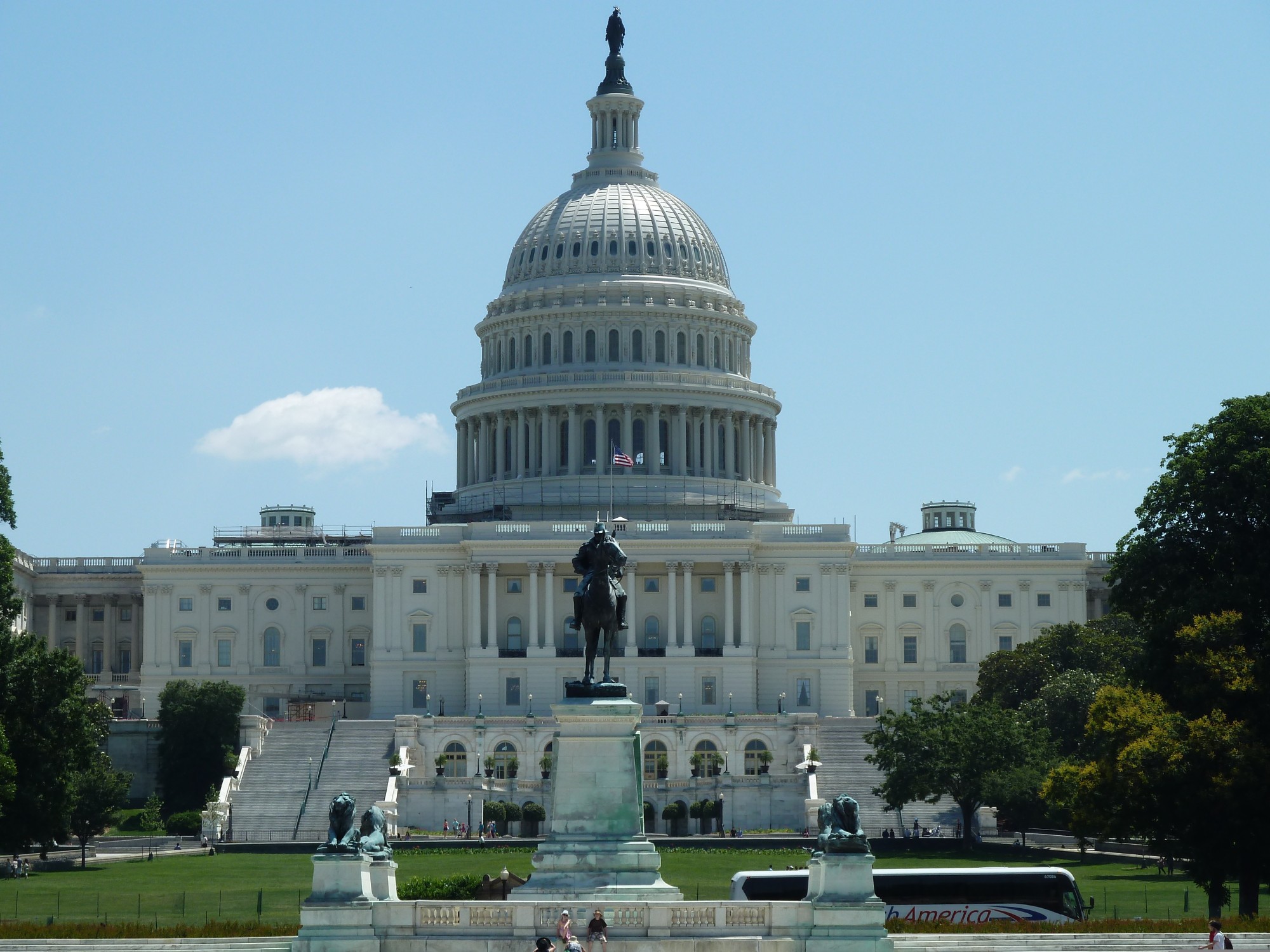
A Republican-led Senate delegation will travel to China next week — arriving days before President Trump’s planned May 14-15 summit with President Xi Jinping in Beijing — in what amounts to a preliminary diplomatic mission ahead of the most significant U.S.-China meeting in years.
Senator Steve Daines of Montana will lead the bipartisan delegation to Beijing, where members are expected to meet with Chinese government officials and lay groundwork for discussions that will accompany the Trump-Xi summit. The trip reflects an unusual moment of diplomatic engagement between Washington and Beijing at a time when the two countries are simultaneously locked in a trade dispute, watching each other closely on Iran, and trying to manage a relationship that has grown increasingly fraught over Taiwan, technology, and military positioning in the Pacific.
The May summit is among the most anticipated diplomatic events of Trump’s second term. The two leaders have not met face-to-face since Trump returned to office, and the agenda being prepared covers a range of issues that have accumulated without resolution: tariff structures left unresolved from Trump’s first term, technology export controls, Chinese access to U.S. capital markets, and the question of whether Beijing will use its influence with Tehran to help bring the Iran conflict to a close.
That last point has emerged as one of the most strategically significant pieces of the summit’s context. China is Iran’s largest oil customer and one of its most important economic partners. U.S. officials have been quietly pressing Beijing to use that leverage to push Iran toward a permanent ceasefire agreement — and Beijing has signaled a willingness to play a constructive role, though its definition of constructive has not always aligned with Washington’s.
The Senate delegation’s trip ahead of the summit is a standard preparatory move — a signal of intent and a way to reduce surprises at the leader level by working through working-level conversations first. Daines, who chairs the Senate Republican Conference, is a pragmatic choice for the delegation’s lead: he represents agricultural and energy interests in Montana that are directly affected by U.S.-China trade policy, giving him credibility on the economic dimensions of the relationship.
Whether the summit produces meaningful agreements on tariffs, technology, or Iran depends heavily on whether both sides arrive having done enough preparatory work to close gaps that have resisted resolution for years. The Daines delegation’s visit is designed to contribute to that preparation — and to signal that Congress, not just the executive branch, has a stake in where U.S.-China relations land in the months ahead.