World
Carney Wins Majority — and a Stronger Hand Against Trump
By Mike Harper · April 15, 2026
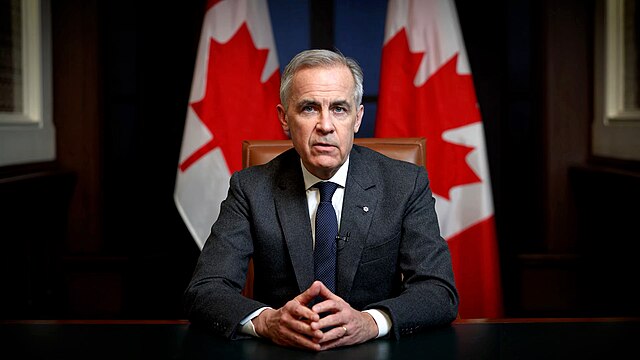
Mark Carney walked into Tuesday’s parliamentary session with something he didn’t have Monday: full control of the House of Commons.
The Canadian prime minister secured a majority government after his Liberal Party swept all three federal byelections held Monday night, winning seats in two Toronto ridings and a closely contested Quebec district. Carney’s Liberals now hold 174 of the 343 seats in the Commons — more than half — meaning they no longer need support from opposition parties to pass legislation. The Liberal Party could stay in power until 2029.
The victory is historically unusual. Carney’s government is the first in Canadian history to convert a minority into a majority between national elections — accomplished through a combination of five floor crossings from opposition MPs and Monday’s byelection wins. Conservative leader Pierre Poilievre called it a majority won through “backroom deals” rather than voter mandate. Poilievre himself lost his parliamentary seat in last year’s general election and has since faced repeated questions about his leadership stability.
For Americans, the Carney majority carries direct relevance. Canada is in an active trade dispute with the United States, with Trump’s tariffs on Canadian goods creating significant economic friction between the two countries. Carney built his political rise in large part on positioning Canada as capable of standing up to American pressure — and his majority now gives him the legislative tools to pursue that agenda more aggressively without depending on opposition votes.
According to CNN, Trump’s hostility toward Canada has sparked a new sense of national identity among Canadians, many of whom have boycotted American travel and products as a form of resistance. Carney has both benefited from and fostered that sentiment. His Davos speech condemning economic coercion by great powers against smaller nations was widely praised domestically and contributed to at least one opposition defection.
His first moves with the majority in hand are telling. Carney announced a temporary suspension of the federal fuel excise tax on gasoline and diesel from April 20 through September 7, a consumer-facing affordability measure. He signaled plans to push through an online harms bill and accelerate home construction legislation that opposition filibustering had stalled.
Whether the stronger mandate translates into harder-edged negotiations with Washington — or whether Carney uses the security of majority governance to pursue a more calibrated approach — is the open question heading into Trump’s planned visit to Beijing next month and ongoing tariff tensions.