World
Trump Extends Iran Ceasefire With No End Date, Blockade Holds
By Mike Harper · April 22, 2026
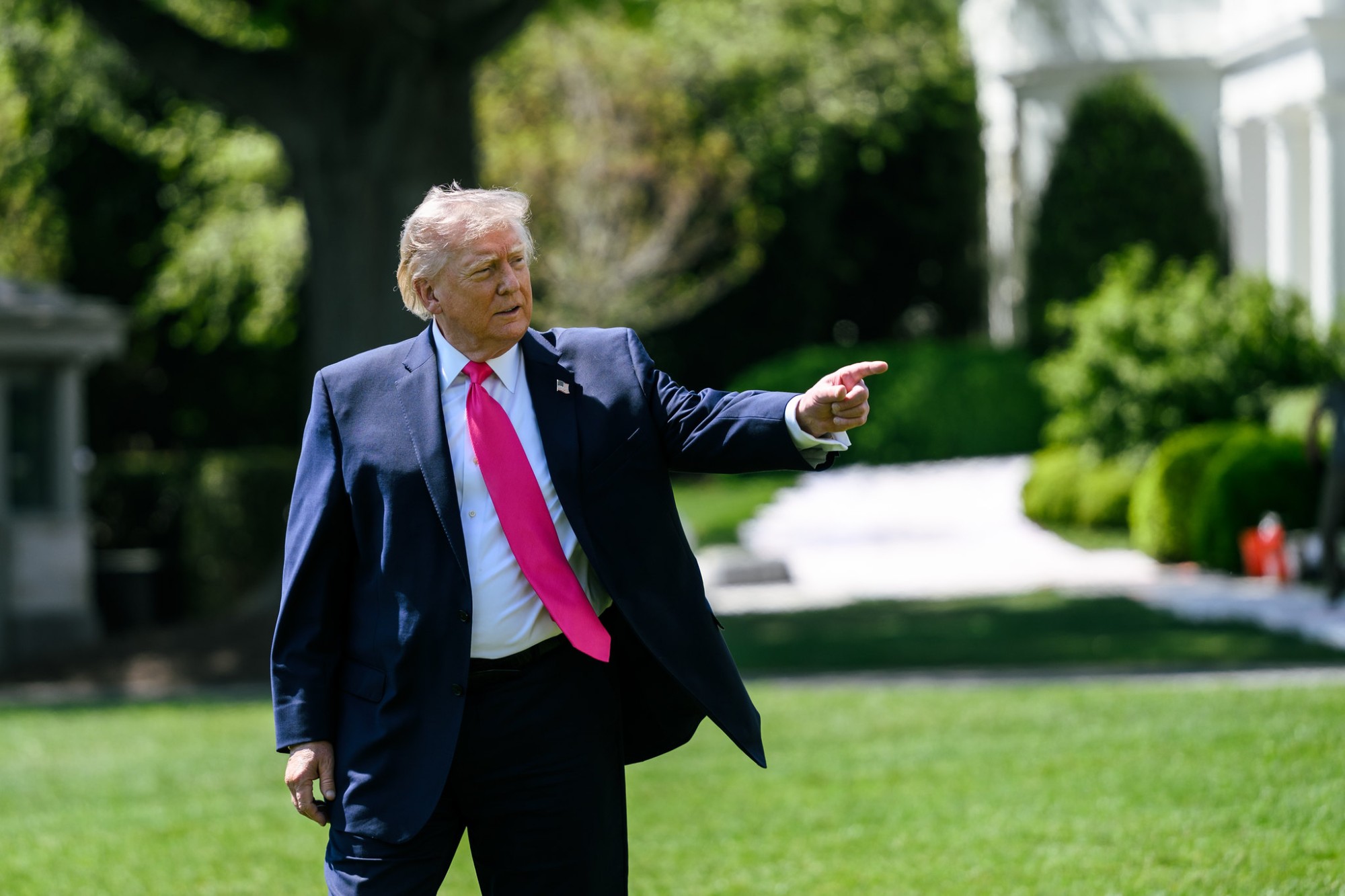
The Iran ceasefire will continue — for now — but the war is far from over.
President Trump announced Tuesday that he is extending the two-week ceasefire with Iran indefinitely, one day before it was set to expire, citing a request from Pakistani mediators and describing Iran’s government as “seriously fractured.” The U.S. naval blockade of Iranian ports will remain in place.
In a Truth Social post, Trump said he had directed the military to hold off on further strikes until Iran’s leadership submits a “unified proposal” to end the conflict permanently. He offered no deadline.
“I have therefore directed our Military to continue the Blockade and, in all other respects, remain ready and able, and will therefore extend the Ceasefire until such time as their proposal is submitted, and discussions are concluded, one way or the other,” Trump wrote.
The announcement came after a planned second round of peace talks in Islamabad collapsed before it began. Vice President JD Vance had been expected to travel to Pakistan to meet with Iranian negotiators, but that trip was put on hold amid conflicting signals from Tehran about who had authority to negotiate on Iran’s behalf.
That division inside the Iranian government is central to Trump’s calculation. U.S. officials have suspected for weeks that Iran’s civilian negotiating team — led by Parliament Speaker Mohammad Bagher Ghalibaf and Foreign Minister Abbas Araghchi — and the country’s military leadership in the Islamic Revolutionary Guard Corps are not aligned on what terms they would accept. Without a unified position from Tehran, any agreement struck at the table risks falling apart.
Iran pushed back immediately. An advisor to Ghalibaf called Trump’s extension a ploy to buy time for a surprise strike and said the continued naval blockade was “no different from bombardment and must be met with a military response.” Iran’s Foreign Minister separately stated that blockading Iranian ports constitutes an act of war and a violation of the ceasefire itself.
Iran’s UN envoy offered a potential path forward, saying negotiations would resume in Islamabad as soon as the United States ends the blockade. That is precisely the condition Trump has so far refused to meet.
The key sticking points have not changed. The U.S. is demanding a complete shutdown of Iran’s nuclear program, limits on its missile capabilities, and an end to its support for Hezbollah and Hamas. Iran has rejected giving up domestic uranium enrichment and refuses to treat its military alliances as bargaining chips. The Strait of Hormuz — through which roughly 20% of the world’s oil flows — remains largely closed, and the blockade Trump has now extended keeps pressure on Tehran’s economy.
Without a deadline, the extension removes one of the few pressure points pushing Iran toward the table. Advisers have privately warned Trump that an open-ended truce could allow Tehran to drag out talks while its leadership resolves its internal divisions. For now, the ceasefire holds — and the next move belongs to Iran.