Lifestyle
Mortgage Rates Hit a Nine-Month High While Listing Prices Are Falling
By Mike Harper · May 24, 2026
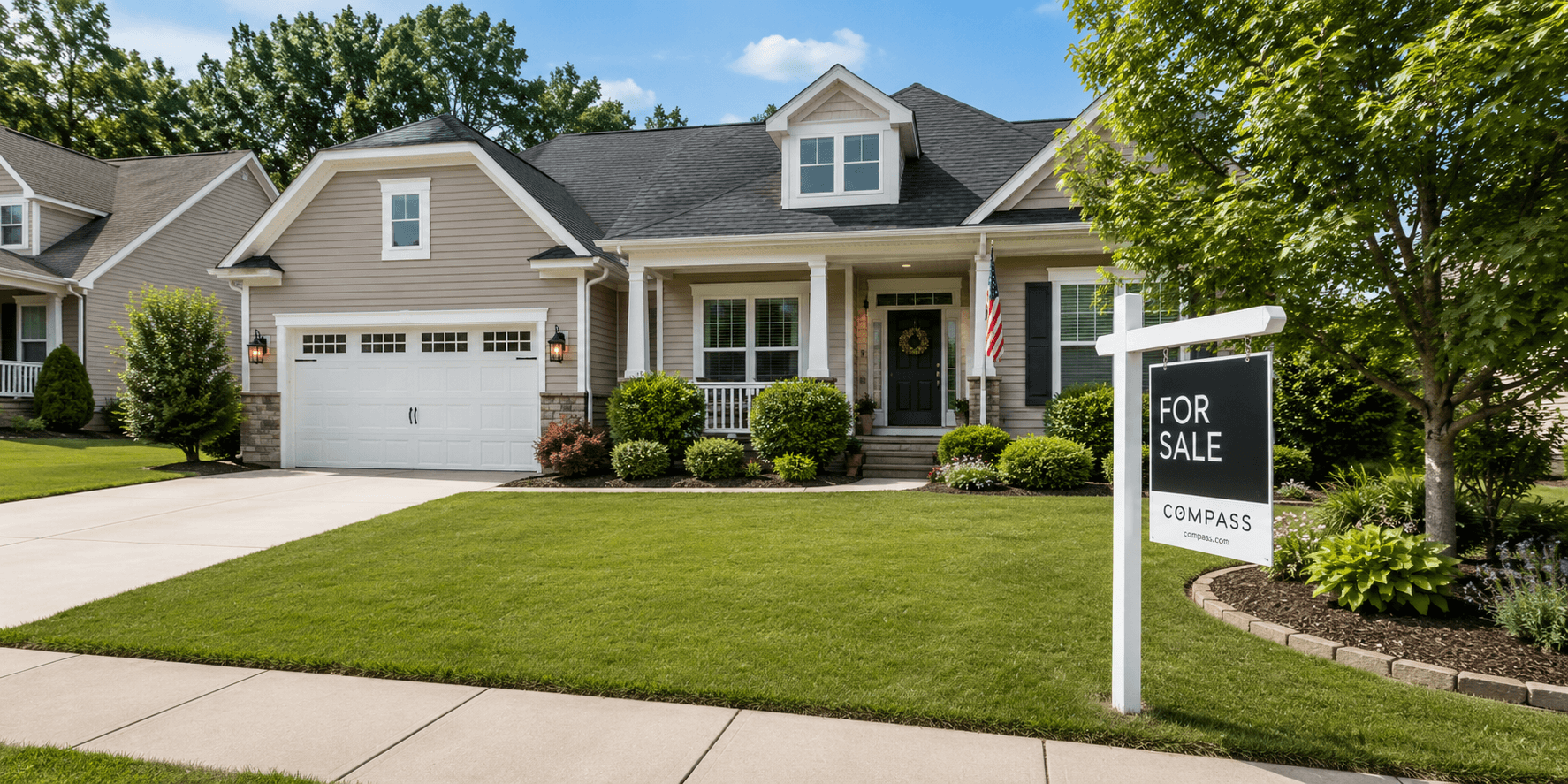
The housing market is sending mixed signals this week — and the mixed signals are mostly bad for buyers.
Freddie Mac’s weekly survey released Thursday put the average 30-year fixed mortgage rate at 6.51% — up from 6.37% two weeks ago and the highest rate recorded in nine months. The jump adds real money to monthly housing costs: on a median-priced home of $425,000 with 10% down, the monthly principal and interest payment at 6.51% is approximately $2,422 — about $86 more per month than at 6.37%, or roughly $1,030 more per year.
At the same time, Realtor.com’s weekly housing market update found that the national median listing price fell 2.3% year over year, with inventory rising as sellers — many of whom have been sitting on the sidelines waiting for conditions to improve — list homes at lower prices to attract buyers who are increasingly rate-sensitive.
The combination sounds like it should produce opportunity. In practice, it largely cancels out. Lower listing prices reduce the total loan amount, but higher rates increase the cost of borrowing every dollar of that loan. Realtor.com’s analysis found that the rate increase more than offset the listing price decline, adding approximately $230 to the monthly payment on a median-priced home compared to the same calculation a year ago.
The driver behind the rate increase is familiar. The Iran war and its effect on oil prices has pushed inflation expectations higher, which has pushed 10-year Treasury yields higher, which has pushed mortgage rates higher. The Federal Reserve has held its benchmark rate steady at 3.5% to 3.75%, and incoming Fed Chair Kevin Warsh has indicated he sees rate cuts as appropriate eventually but has not committed to a timeline. Until the Strait of Hormuz reopens and oil prices come down, the pressure on mortgage rates is unlikely to reverse significantly.
For buyers, the practical advice from housing economists is consistent: if you find a home at a price that works for your budget at current rates, the rate is refinanceable when conditions improve. The home’s price and your ability to qualify are the variables that matter most at this moment. For sellers, the message is equally consistent: price realistically. The buyers who are in the market right now are rate-conscious and not willing to absorb overpriced listings.
Active inventory is currently up 31% year over year nationally — the most supply the housing market has seen since 2020. More homes are available than at any point in five years. The people who can afford them at current rates are in an unusually strong negotiating position. The people who cannot are waiting for something to change, and the Iran ceasefire negotiations are, at this moment, the most relevant variable in their housing timeline.