Lifestyle
5 Car Maintenance Myths That Are Wasting Your Money
By Curtis Jones · May 21, 2026
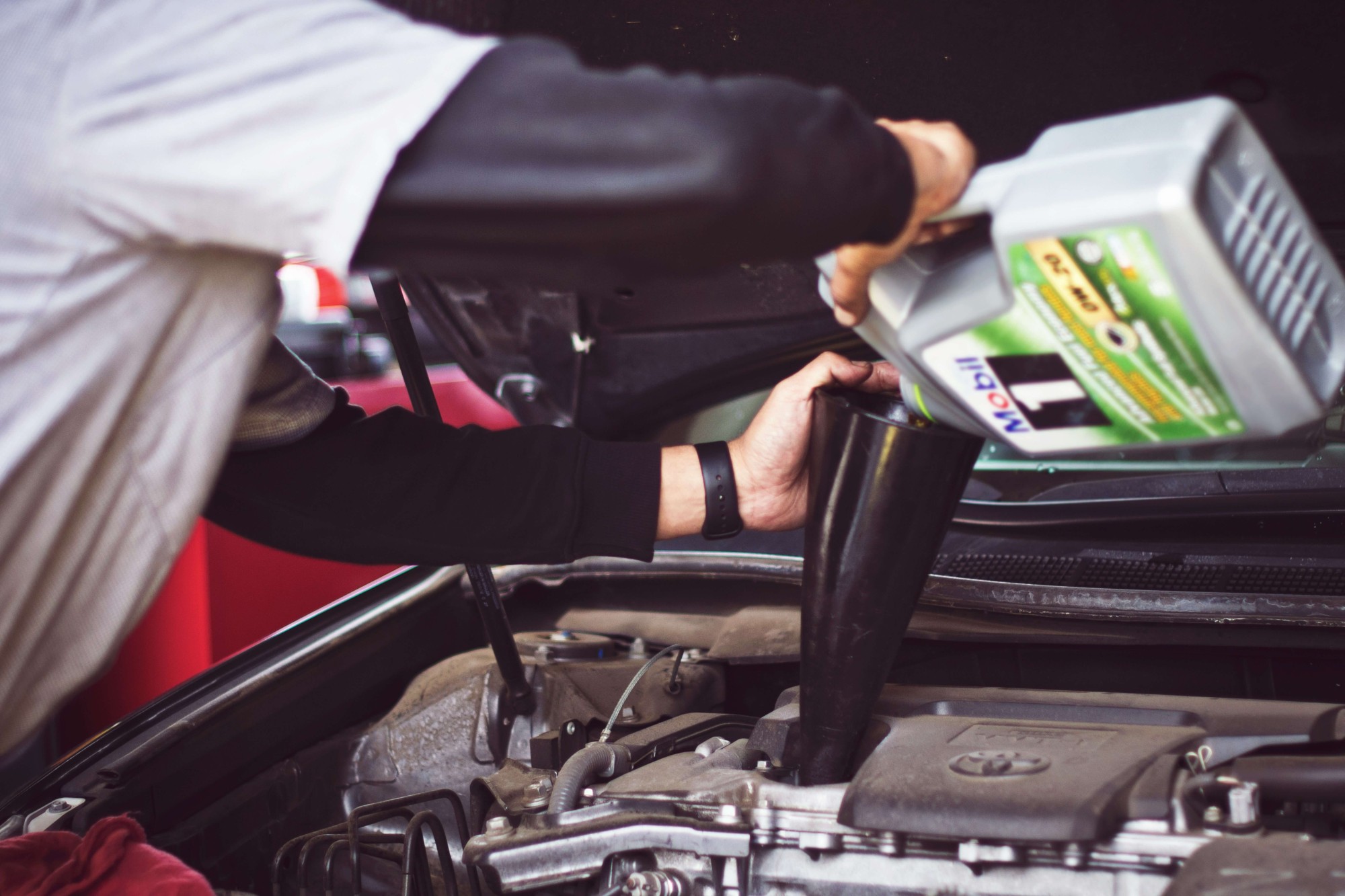
Car repair shops earn revenue from returning customers — which is why some of the most persistent car maintenance myths happen to require regular visits. Here’s what mechanics and automotive experts say you can stop paying for.
1. Changing your oil every 3,000 miles
This is the single most expensive car maintenance myth still in active circulation. It originated with conventional motor oil used in older engines and has been obsolete for more than 20 years. Most modern vehicles using full synthetic oil can go 7,500 to 10,000 miles between changes — with some manufacturer recommendations extending to 15,000 miles. The correct interval is in your owner’s manual, not on the sticker the oil change shop puts on your windshield. At $80 to $120 per full synthetic oil change, the difference between 3,000-mile and 7,500-mile intervals costs the average driver $240 to $360 per year unnecessarily.
2. Warming up your car before driving in cold weather
Modern fuel-injected engines warm up more efficiently under light driving load than they do sitting at idle. The carbureted engines that required warm-up periods haven’t been manufactured since the mid-1990s. Extended idling in a modern car wastes fuel, can cause carbon buildup in the engine, and — in enclosed spaces — creates carbon monoxide risk. The correct approach is to start the car, let it run for 30 seconds to one minute, and drive gently for the first few minutes. That’s it.
3. Using premium fuel in a car that doesn’t require it
If your vehicle’s owner manual says “regular unleaded,” using premium fuel provides zero benefit. Modern engines have knock sensors that automatically adjust timing and compression based on fuel grade. Premium is only necessary in engines specifically designed for higher compression ratios, which will say “premium required” or “premium recommended” in the manual. For a car that specifies regular, premium costs approximately $0.50 more per gallon with no measurable improvement in performance or engine longevity. At 15,000 miles per year with a 25 MPG average, that’s $300 wasted annually.
4. Getting a transmission flush every 30,000 miles
The 30,000-mile transmission flush recommendation applies to perhaps 20% of vehicles on the road but is marketed by shops as universal automotive law. Most modern vehicles have manufacturer-specified transmission fluid intervals of 60,000 to 100,000 miles, with some using “lifetime” fluid that only needs to be checked, not replaced, under normal driving conditions. A transmission flush runs $150 to $300. Doing it at twice the necessary frequency adds real cost with no mechanical benefit, and some shops use aggressive flush machines that can introduce air into the system and cause more harm than skipping the service entirely.
5. Winterizing packages at quick-lube shops
Every fall, quick-lube shops advertise “winterization” services that can run $150 to $250. Most of what these packages include — checking fluid levels, testing the battery, inspecting belts and hoses — is either already covered by routine maintenance or can be done yourself in 20 minutes with a flashlight and a tire pressure gauge. The one genuinely seasonal maintenance item — switching to winter tires if you live in a snowy region — is not typically included in these packages and requires a separate appointment anyway. Check your owner’s manual for actual seasonal maintenance requirements; they’re usually far simpler than the service menu suggests.