Lifestyle
7 Foods That Lower Blood Pressure, According to Cardiologists
By Erica Coleman · May 22, 2026
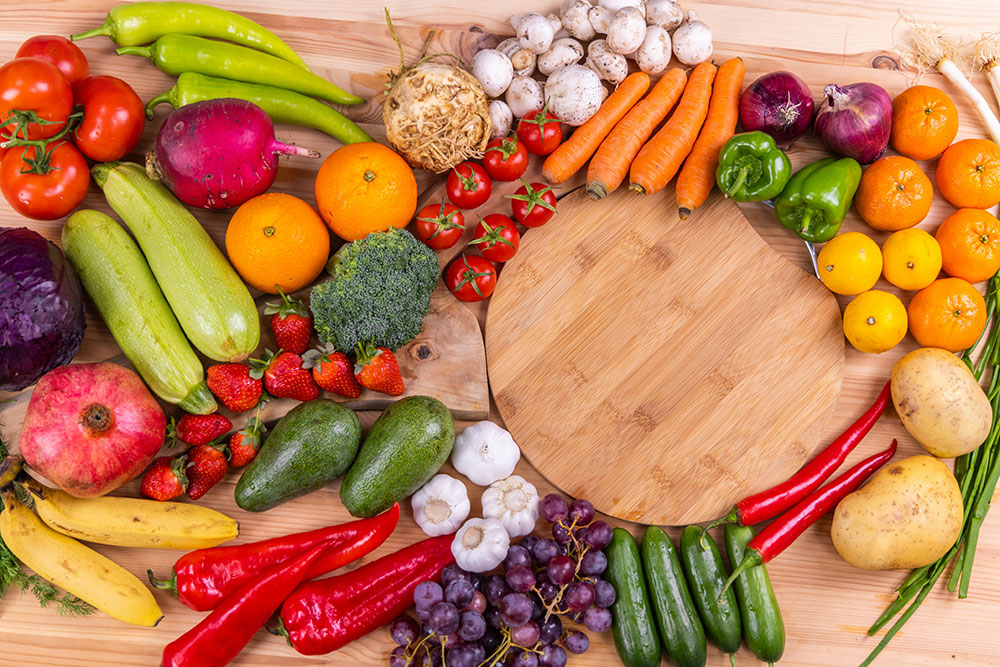
Nearly half of American adults have high blood pressure. Most of them are managing it primarily with medication. The 2025 American Heart Association and American College of Cardiology guidelines now formally recommend dietary intervention — specifically the DASH eating plan — as a first-line treatment for elevated blood pressure, with clinical trials showing systolic blood pressure reductions of 1 to 13 mmHg from diet alone. Here are the seven foods cardiologists and dietitians recommend most consistently.
1. Leafy greens
Spinach, kale, Swiss chard, and collard greens are among the richest dietary sources of potassium — the mineral that helps your kidneys excrete sodium and relax blood vessel walls. The DASH diet, which is the most clinically validated dietary approach to blood pressure management, recommends four to five servings of vegetables daily, with leafy greens as the highest-priority category. Cooked spinach contains more potassium per serving than a banana.
2. Berries
Blueberries, strawberries, and raspberries contain flavonoids — plant compounds with demonstrated effects on vascular function and blood pressure. A study published in the Journal of Nutrition found that people who consumed the most flavonoids had lower systolic blood pressure independent of other dietary factors. Fresh, frozen, and dried berries all count. A half-cup of blueberries in yogurt or oatmeal is a practical daily addition.
3. Beets
Beets contain high concentrations of dietary nitrates, which the body converts to nitric oxide — a compound that relaxes and dilates blood vessels. Research has shown that beet juice can produce measurable blood pressure reductions within hours of consumption. Roasted beets, beet salad, and small amounts of beet juice are the most practical forms. The effect is dose-dependent and consistent, which is why beet-based supplements are now marketed specifically to hypertension patients.
4. Oats
Oatmeal and other whole oat products provide beta-glucan, a soluble fiber that has two relevant effects: it reduces LDL cholesterol and modestly lowers blood pressure through mechanisms that include reducing arterial stiffness. The DASH diet recommends six to eight servings of whole grains daily, with oats specifically endorsed by the American Heart Association for cardiovascular benefit. Steel-cut oats have a lower glycemic index than instant oats and are preferred by most cardiologists.
5. Bananas
Bananas are the most portable and accessible high-potassium food available. One medium banana provides approximately 422mg of potassium — about 9% of the recommended daily intake. Cardiologist Alec Kherlopian of Loma Linda University’s Heart Institute notes that increasing potassium intake is one of the most evidence-supported dietary interventions for blood pressure reduction, particularly in patients whose diets are currently high in sodium. Potassium doesn’t lower blood pressure directly — it helps the kidneys manage the sodium that does.
6. Fatty fish
Salmon, mackerel, sardines, and tuna provide omega-3 fatty acids — specifically EPA and DHA — that reduce inflammation and have direct effects on vascular tone. The American Heart Association recommends two servings of fatty fish per week for cardiovascular health. Studies have shown omega-3 supplementation produces modest but consistent blood pressure reductions. Fatty fish deliver these benefits in the context of a complete protein that also supports satiety and muscle maintenance.
7. Unsalted nuts — especially walnuts
Walnuts specifically have been associated with a lower risk of hypertension in multiple observational studies and are the only nut with significant alpha-linolenic acid (ALA) — a plant-based omega-3 precursor. Almonds, pistachios, and cashews also contribute potassium and magnesium that support blood pressure management. The unsalted specification matters: a handful of salted mixed nuts adds 150 to 200mg of sodium that partially offsets the cardiovascular benefit of the nuts themselves.
A note: dietary changes are most effective as part of a broader approach that includes regular physical activity, weight management, sodium reduction, and appropriate medication when prescribed. If your blood pressure is consistently above 130/80, discuss both dietary and pharmacological options with your physician.