World
The Most Volatile 24 Hours of the Iran War Ended With Trump Calling It Off
By Mike Harper · May 7, 2026
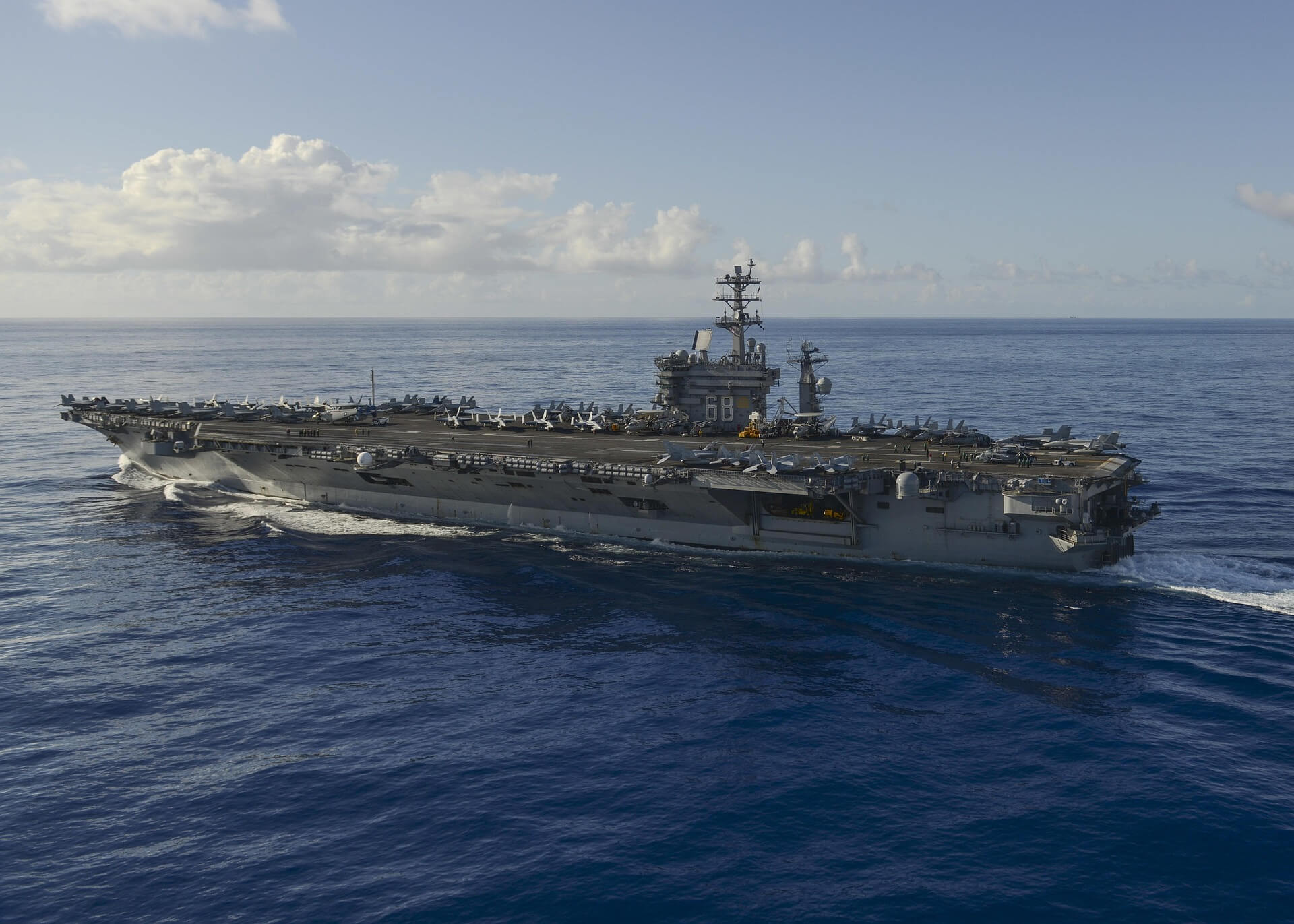
On Monday, Secretary of State Marco Rubio stood at a White House podium and described 23,000 sailors stranded in the Persian Gulf as being “left for dead” by Iran. He called Project Freedom — the new US military mission to escort ships through the Strait of Hormuz — a matter of life and death.
On Tuesday evening, Trump posted on Truth Social that Project Freedom was being paused.
In between those two statements, the US and Iran exchanged fire in the strait, an Iranian woman was reported killed in US strikes, and Iran’s Revolutionary Guard Navy announced that “new procedures” would allow “the possibility of safe and sustainable passage” through the waterway.
It was the single most compressed cycle of escalation and de-escalation in the Iran conflict since it began on February 28.
Project Freedom — launched Monday with the mission of physically guiding commercial ships out of the Strait of Hormuz, where Iran had effectively closed transit to most international shipping — immediately drew a military response from Tehran. Iranian forces fired on vessels participating in the escort operation. US forces returned fire. The exchange produced the first direct US-Iranian combat engagement since the ceasefire that began April 8, and the first time fighting had returned to the strait since the conflict’s opening weeks.
Then, within hours, Trump announced on Truth Social that the operation would be paused “for a short period of time” citing “great progress” toward a final agreement with Iran. He cited requests from Pakistan, Saudi Arabia, and other countries as contributing factors. Stock markets responded immediately — futures rose on hopes the pause signaled genuine diplomatic movement.
Iran’s reaction was carefully calibrated. The IRGC Navy said that “new procedures” would allow for “the possibility of safe and sustainable passage through the Strait” — language that stopped well short of an agreement to fully reopen the waterway but signaled a willingness to reduce direct confrontation. Pakistani Prime Minister Shehbaz Sharif posted a statement thanking Trump for his “courageous leadership,” describing the pause as having come in response to Pakistan’s direct request.
The sequence raises a question that nobody in the administration answered Tuesday: if Project Freedom was a life-or-death humanitarian mission to rescue 23,000 stranded sailors, what changed in 24 hours that made it appropriate to pause?
The official answer — that progress toward a deal justified giving diplomacy a chance — implies that the administration launched a military operation designed to create leverage for a negotiation it was simultaneously conducting. That is a coherent strategy. It is also a significant distance from how the mission was publicly framed when Rubio described the stranded sailors as “sitting ducks.”
Gas prices at the pump climbed slightly to $4.48 per gallon following Tuesday’s events, even as oil markets retreated modestly on the pause news. The strait remains effectively closed to normal commercial traffic. The naval blockade on Iranian ports remains in place. The ceasefire that has been in effect since April 8 is still technically holding.
The most volatile day of the Iran conflict in two months ended where it began: with the strait closed, the ships stranded, and negotiations ongoing with no announced timeline or confirmed framework.