Lifestyle
If You Bought Avast Antivirus Between 2014 and 2020, a Check May Be Coming Without You Doing Anything
By Erica Coleman · June 7, 2026
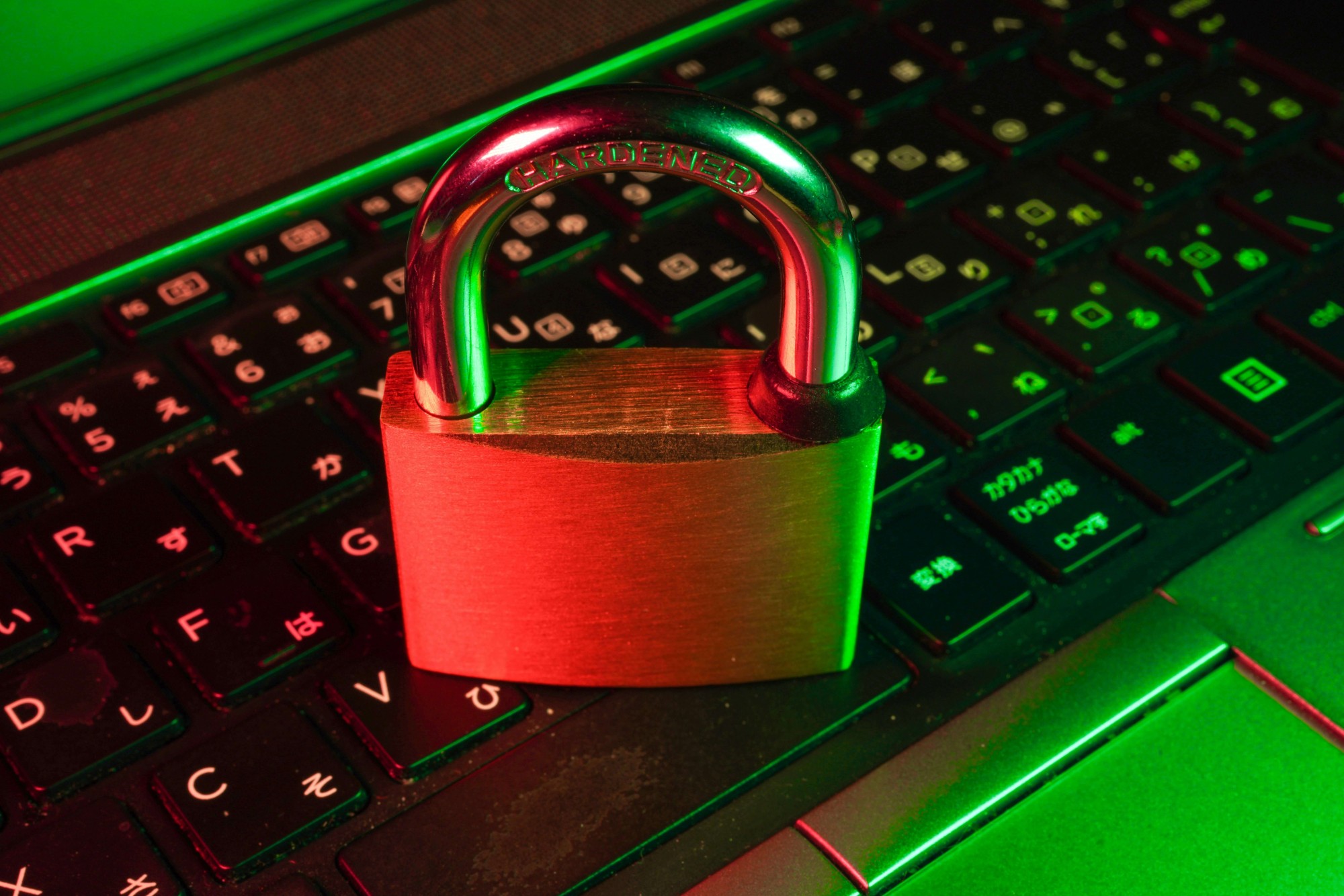
Avast marketed itself as privacy protection software. While charging customers for that protection, it was simultaneously selling detailed records of their internet browsing history to advertisers through a subsidiary called Jumpshot. The Federal Trade Commission called that a deception. The settlement is now being paid.
The FTC is distributing approximately $15.3 million in refunds to consumers who purchased Avast antivirus products between August 2014 and January 2020, based on a settlement the agency reached with the company over allegations that Avast collected sensitive consumer browsing data — including searches for medical conditions, financial information, and religious content — and sold it without customers’ knowledge or meaningful consent.
The critical detail for anyone who purchased Avast during the eligible period: no claim form is required for most recipients. The FTC identified eligible customers through its own investigation and is mailing checks directly to those consumers. The checks are going out now.
What you need to know if a check arrives:
Cash it within 90 days. FTC settlement refund checks are void after 90 days — a deadline that is firm and cannot be extended. The check will be issued by Analytics Consulting LLC, the FTC’s settlement administrator for this case.
If you’re not sure whether you qualify:
You purchased Avast antivirus software — not the free version, but a paid product — between August 2014 and January 2020. If you are unsure whether you made a qualifying purchase during that period, check your email for receipts, check your bank or credit card statements from that period, or visit the FTC’s official refund page at ftc.gov/enforcement/refunds/avast-refunds for information about how to confirm your status.
What Avast actually did:
The FTC alleged that Avast told customers its software would protect them from online tracking and data collection — while simultaneously operating Jumpshot, a data analytics business that sold precise, detailed user browsing data to more than 100 companies, including advertising firms and data brokers. The data sold included records of which websites users visited, searches they conducted, and purchases they made — the kind of data that allows advertisers to infer sensitive personal information about health, finances, and beliefs. Jumpshot was shut down in January 2020 following reporting by Motherboard and PCMag that exposed the practice.
One important scam warning:
Do not pay anyone to help you claim or receive this refund. The FTC does not charge fees to receive refunds, and no legitimate settlement administrator will ask for your Social Security number, bank account information, or any payment to process a check. Any call, email, or website claiming to help you “claim” the Avast refund for a fee is a scam.