Lifestyle
A Tomato Is Now a Financial Decision. Here’s How It Got to $8 a Pound.
By Mike Harper · June 2, 2026
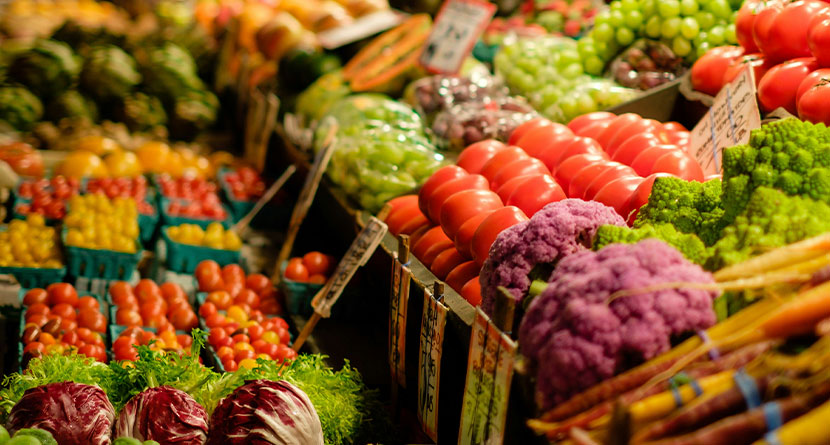
Maria Martinez is a chef in New York City. She has been buying tomatoes for her kitchen for twenty years. She has never had to think about them the way she thinks about them now.
“Something as basic as fresh vegetables is becoming a serious financial decision.”
Bureau of Labor Statistics data released this week shows tomato prices are up nearly 50% from a year ago — with grape tomatoes up 65% in a single month. In some markets, tomatoes are reaching $8 per pound. Restaurants in Philadelphia, New York, and Chicago have begun quietly removing tomatoes from dishes or replacing them with alternatives that haven’t been hit as hard.
The price spike is not one problem — it is three problems arriving simultaneously, explained University of Texas at San Antonio economics professor Dr. Anil Kumar in an interview that has been widely shared since it ran Sunday on KSAT San Antonio.
The first problem is the tariff. In February, the Trump administration imposed a 17% tariff on fresh tomatoes imported from Mexico. Mexico supplies approximately 70% of all fresh tomatoes sold in American grocery stores and restaurants — because Mexico’s climate allows year-round production that American domestic growing regions cannot replicate. The tariff added immediate cost to every tomato in the supply chain, a cost that has been passed entirely to consumers.
The second problem is fuel. The Iran war’s effect on global oil prices has raised the cost of everything that moves in a refrigerated truck. Tomatoes are among the most transport-intensive produce items in the American food system — grown in Mexico and Florida, distributed to hundreds of processing and packing facilities, trucked to regional distribution centers, and then trucked again to individual stores. Every leg of that journey costs more when diesel is above $5 a gallon. Those costs compound.
The third problem is weather. California, which produces a significant share of domestic processing tomatoes, has been in a drought cycle that has reduced yields and pushed prices higher on the domestic supply that was supposed to moderate the impact of the tariff on Mexican imports. Florida, the other major domestic tomato-producing state, experienced late-season weather events that disrupted output. The alternatives to Mexican imports are limited, and many of them are also more expensive than they were a year ago.
“It’s really a perfect storm,” Dr. Kumar said. “You have supply disruptions, you have increased production costs, and then you layer tariffs on top of it, and prices just explode.”
For grocery shoppers, the practical adjustments are already underway. Canned tomatoes — processed before the tariff took full effect and stored at distribution centers — remain somewhat more affordable than fresh, though their prices are rising too. Roma tomatoes have been hit less severely than beefsteak and grape varieties and remain a more accessible option for cooking. Farmer’s markets, which source locally and may not be subject to the same import dynamics, can in some cases offer fresher tomatoes at lower prices than grocery chain produce sections.
The 17% tariff on Mexican tomatoes is subject to ongoing trade negotiations. If the tariff is reduced or suspended — as the administration has done with other agricultural products including beef — tomato prices could moderate relatively quickly, since supply is not structurally limited in the way that cattle herd rebuilding takes years. If the tariff remains, economists expect prices to stay elevated through at least the end of the 2026 growing season.
A tomato is, right now, a financial decision. Most of the people who eat them did not elect to make it one.