Lifestyle
6 Electrical Warning Signs Your Home Is a Fire Risk
By Mike Harper · June 7, 2026
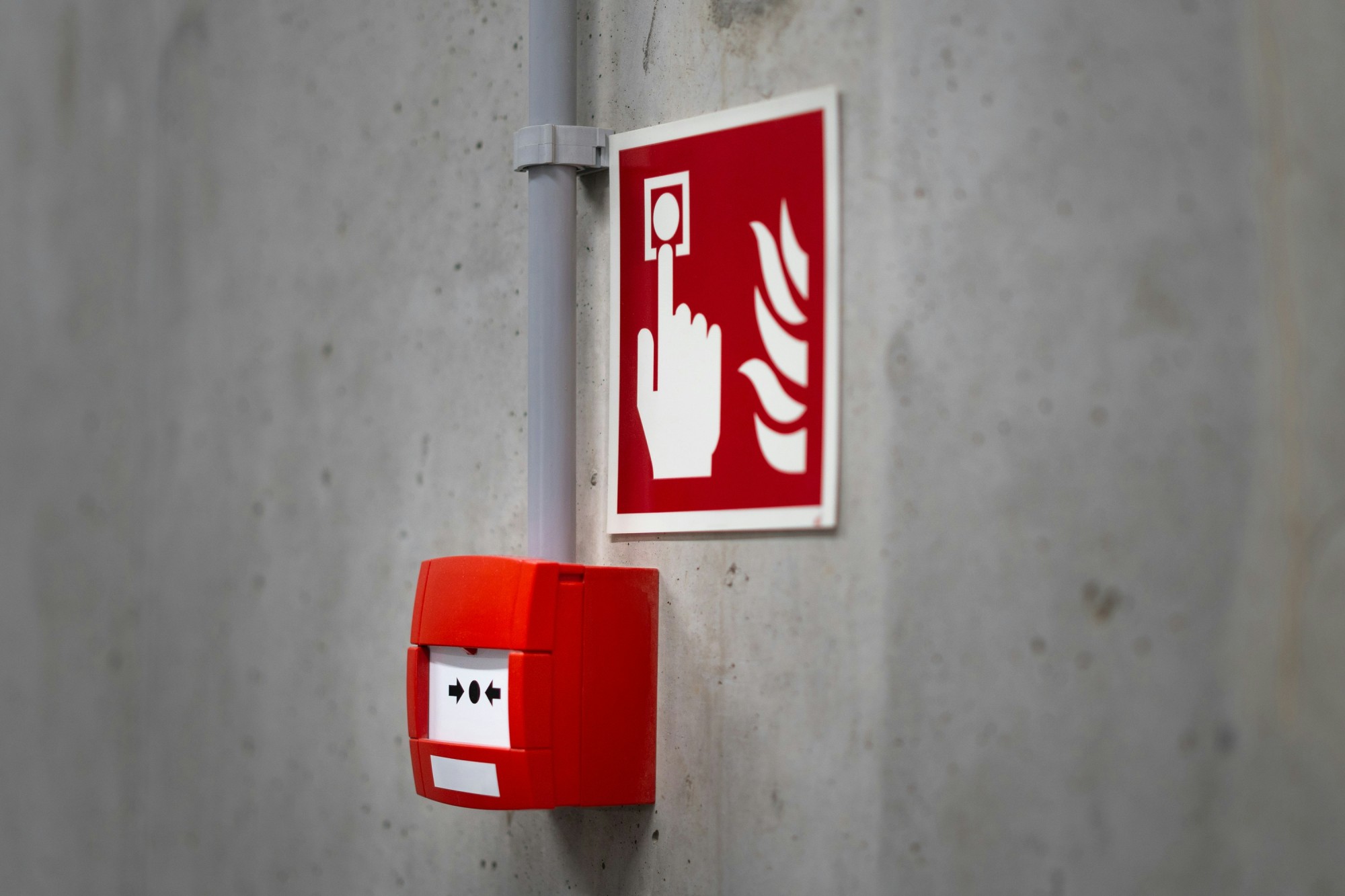
Electrical fires cause approximately 51,000 home fires annually in the United States, resulting in roughly 500 deaths, 1,400 injuries, and $1.3 billion in property damage, according to the Electrical Safety Foundation International. Most electrical fires are preventable — and most start with warning signs that were visible weeks or months before the fire itself.
1. Circuit breakers that trip repeatedly
A circuit breaker’s job is to cut power when a circuit overheats — preventing a fire. If your breaker trips occasionally after heavy use, that is normal. If it trips repeatedly on the same circuit, that is the breaker telling you something is wrong. The underlying cause may be an overloaded circuit, a short circuit, a loose connection, or wiring that has degraded. The dangerous response is resetting the breaker repeatedly without investigating the cause. At some point, a repeatedly-tripped breaker may fail and stop tripping — at which point an overloaded circuit will overheat the wiring insulation with nothing to stop it. Call an electrician.
2. Flickering or dimming lights
Lights that flicker across multiple fixtures — not just a single bulb — can indicate loose neutral connections or overloaded circuits. If your lights dim noticeably when a large appliance runs — the dishwasher starts and the kitchen lights briefly dim — that points to voltage drop or undersized wiring. A single flickering bulb is usually just a bad bulb. Flickering that happens across rooms or involves multiple fixtures simultaneously is a wiring concern.
3. Burning smell without a visible source
A burning smell in your home — particularly one coming from a specific room, outlet, or appliance — is one of the most serious electrical warning signs. It often indicates that wiring insulation is overheating or beginning to melt inside a wall. This smell frequently disappears and returns, which leads homeowners to dismiss it as something they imagined. Do not dismiss it. Unplug all devices on the relevant circuit and call a licensed electrician immediately.
4. Discolored, warm, or sparking outlets
Scorch marks around an outlet, a cover plate that feels warm to the touch, or visible sparks when plugging in a device are all immediate warning signs of dangerous electrical arcing. Arcing occurs when electricity jumps across a gap — a loose connection, a deteriorated contact, or wiring that has pulled away from a terminal. It is hot enough to ignite nearby wood framing and insulation. Stop using any outlet showing these signs and have it inspected before using that circuit again.
5. Outlets or switches that feel warm or make noise
A light switch that feels warm when you touch the faceplate, or one that makes a crackling, buzzing, or sizzling sound when operated, signals deeper wiring problems. These are not normal sounds and sensations from functioning electrical components. Stop using the switch or outlet and consult a licensed electrician. Warm switch plates are frequently caused by loose wiring connections that create resistance — and resistance creates heat.
6. A home with aluminum wiring or older than 40 years without a wiring inspection
Research shows that homes with aluminum wiring — installed widely in residential construction from the mid-1960s through the mid-1970s as copper prices rose — are 55 times more likely to have fire hazard conditions than homes with copper wiring. Aluminum expands and contracts more than copper with temperature changes, gradually loosening connections at outlets, switches, and the breaker panel. If your home was built between 1965 and 1975, find out whether it has aluminum wiring. Similarly, any home over 40 years old that has not had a comprehensive electrical inspection is overdue for one — wiring degrades, and the National Electrical Code requirements that protect occupants have changed significantly in the past four decades.
If you observe any of these signs, the correct response is to call a licensed electrician — not a handyman, not a general contractor, and not a relative who is handy. Electrical work done by unlicensed individuals may void your homeowner’s insurance coverage on resulting claims.