Lifestyle
Heart Attack Signs in Women Can Feel Like Indigestion, the Flu or Plain Tiredness
By Mike Harper · October 28, 2026
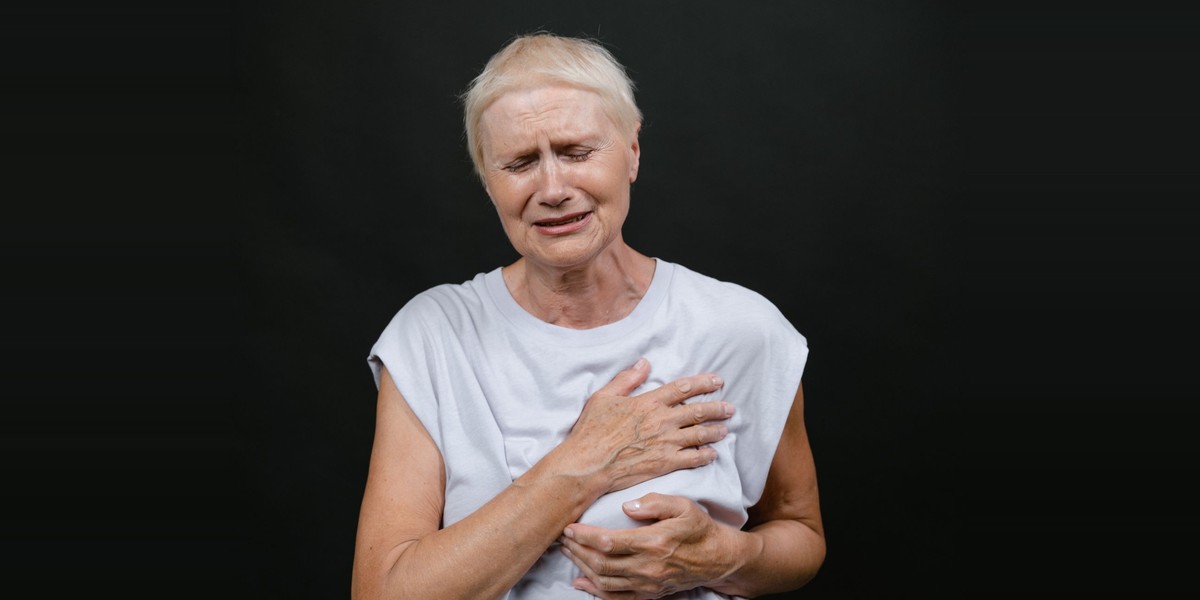
Many women expect a heart attack to arrive with crushing chest pain. The American Heart Association says the signs are often less obvious, and easy to explain away.
Heart disease is the No. 1 killer of women in the United States, yet women often chalk up the symptoms to less life-threatening conditions such as acid reflux, the flu or normal aging, according to the heart association. Even subtle signs can be deadly, it warns, especially without prompt help.
Mayo Clinic says chest pain is usually the most common symptom, but that for some people, including women, older adults and those with diabetes, symptoms may seem unrelated to a heart attack. It gives nausea or a very brief pain in the neck or back as examples.
These are the signs described by the American Heart Association, Mayo Clinic and the National Heart, Lung, and Blood Institute.
Chest pressure or discomfort. As with men, the most common symptom in women is chest pain or discomfort, the heart association says. It can feel like uncomfortable pressure, squeezing, fullness or pain in the center of the chest, and it may last more than a few minutes or go away and come back.
Pain in the back, arms, neck or jaw. The heart association lists pain or discomfort in one or both arms, the back, neck, jaw or stomach. It says some women describe upper back pressure that feels like squeezing or a rope being tied around them. Mayo Clinic adds the shoulder, teeth and upper belly.
Shortness of breath. Trouble breathing can happen with or without chest discomfort. The NHLBI says shortness of breath when resting or doing a little bit of physical activity is more common in older adults.
Unusual tiredness. The NHLBI lists feeling unusually tired for no reason, sometimes for days, and notes this is more common in women. The heart association lists unusual tiredness and weakness among the symptoms women may have.
Nausea or an upset stomach. The heart association lists nausea and upset stomach, and Mayo Clinic includes heartburn or indigestion.
Cold sweat, lightheadedness and anxiety. Breaking out in a cold sweat and lightheadedness appear on the heart association’s list, which also names anxiety. The NHLBI adds sudden dizziness and a rapid or irregular heartbeat.
Not every heart attack is sudden. Mayo Clinic says many people have warning signs hours, days or weeks in advance, and that chest pain or pressure that keeps happening and does not go away with rest may be an early warning sign. The NHLBI says symptoms can start slowly and may come and go over several hours. It also notes that silent heart attacks, with no symptoms or very mild ones, are more common in older adults and in people with diabetes.
Age matters. Mayo Clinic says the risk of a heart attack goes up with age, starting at about age 45, and tends to go up after menopause. Other risk factors it lists include smoking, high blood pressure, high cholesterol, obesity and diabetes.
The advice from all three sources is the same: call 911 right away. The NHLBI says to call even if you are not sure it is a heart attack, and that an ambulance is the best and safest way to get to the hospital because emergency crews can start tests and treatment right away. Mayo Clinic says not to delay calling 911 to take an aspirin, and to take aspirin only if a care provider or emergency personnel say to do so.
This article is for general information and is not medical advice. Call 911 for any possible signs of a heart attack, and talk with your doctor about your own risk. This article was produced with the assistance of AI and fact-checked against the sources cited by LightWave Reports.