Lifestyle
Cloudy Vision and Glare From Headlights at Night Can Signal Cataracts. Signs It May Be Time for an Eye Exam
By Erica Coleman · October 28, 2026
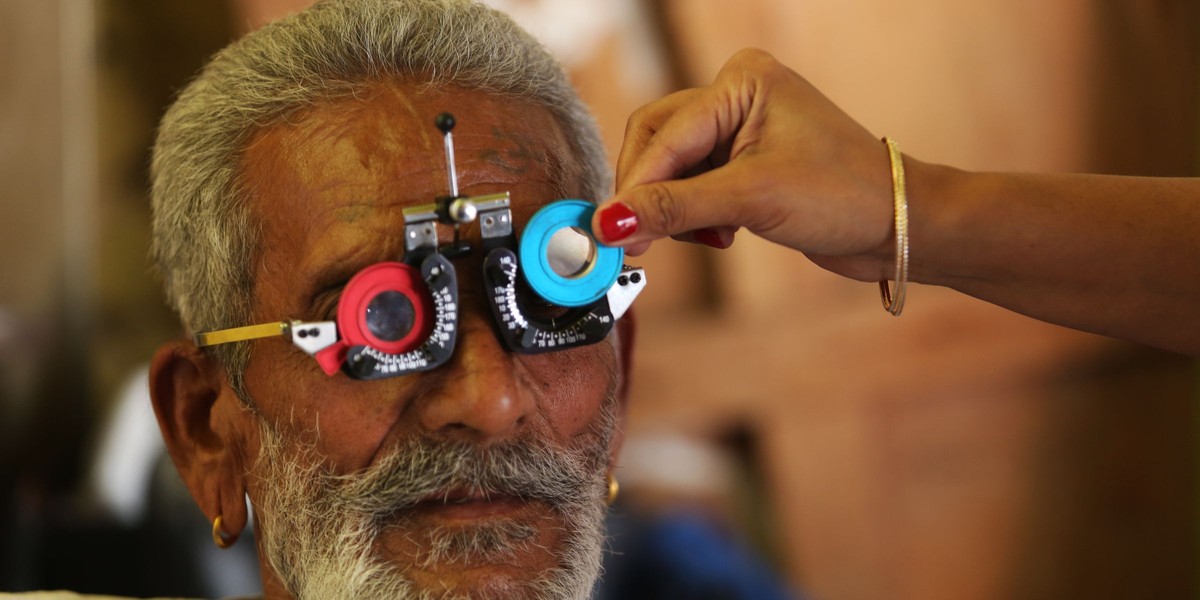
Oncoming headlights that suddenly seem blinding, a newspaper that needs a brighter lamp, colors that look a little washed out. Changes like these can be signs of a cataract.
A cataract is a cloudy area in the lens of your eye, the clear part of the eye that helps focus light, according to the National Eye Institute. The institute says cataracts are very common with age, and that more than half of all Americans 80 or older either have cataracts or have had surgery to remove them.
The American Academy of Ophthalmology compares the effect to looking through a foggy or dusty car windshield. It says aging is the most common cause. Around age 40, normal proteins in the lens start to break down, and people over 60 usually begin to have some clouding, though vision problems may not appear until years later.
The NEI says there may be no symptoms at first, when a cataract is mild. As it grows, these are the changes the institute and the academy say people may notice.
Cloudy, blurry or dim vision. The NEI lists vision that is cloudy or blurry, and the academy describes things looking blurry, hazy or less colorful.
Glare from headlights and lamps. The NEI says lamps, sunlight or headlights may seem too bright. The academy lists being extra sensitive to light, especially with oncoming headlights at night.
Halos around lights. The NEI lists seeing a halo around lights.
Trouble seeing at night. Both sources list it.
Needing more light to read. The academy lists needing more light when you read, and the NEI says cataracts can make reading and other everyday activities harder.
Faded or yellowed colors. The NEI says colors may look faded. The academy says bright colors may look faded or yellow instead.
Double vision. The academy describes seeing double or a ghosted image out of the eye with the cataract. The NEI notes that double vision sometimes goes away as the cataract gets bigger.
Frequent changes to glasses. The NEI lists having to change the prescription for glasses or contact lenses often.
The NEI advises talking with an eye doctor about any of these symptoms, since they could also be signs of other eye problems. The academy says to notify an ophthalmologist.
Age is the main risk factor, but it is not the only one. The NEI lists diabetes, smoking, drinking too much alcohol, a family history of cataracts, past eye injury or eye surgery, radiation treatment on the upper body, a lot of time in the sun, and steroid medicines.
Cataracts are found during a dilated eye exam, in which drops widen the pupils so the doctor can look at the lens and the back of the eye. The NEI recommends a dilated eye exam every 1 to 2 years for people 60 and older.
A diagnosis does not always mean surgery right away. Early on, the NEI says, brighter lights, anti-glare sunglasses, magnifying lenses or a new glasses prescription can help. Surgery is the only way to get rid of a cataract, and a doctor might suggest it once the cataract gets in the way of everyday activities such as reading, driving or watching TV. During the operation, the clouded lens is replaced with an artificial one.
The institute calls the surgery very safe and says 9 out of 10 people who have it see better afterward. It adds that most people don’t need to rush, since waiting usually won’t harm the eyes or make surgery more difficult later.
This article is for general information and is not medical advice. Talk with your eye doctor about any changes in your vision. This article was produced with the assistance of AI and fact-checked against the sources cited by LightWave Reports.