Lifestyle
7 Signs of Low Zinc Most People Blame on Getting Older
By Curtis Jones · October 28, 2026
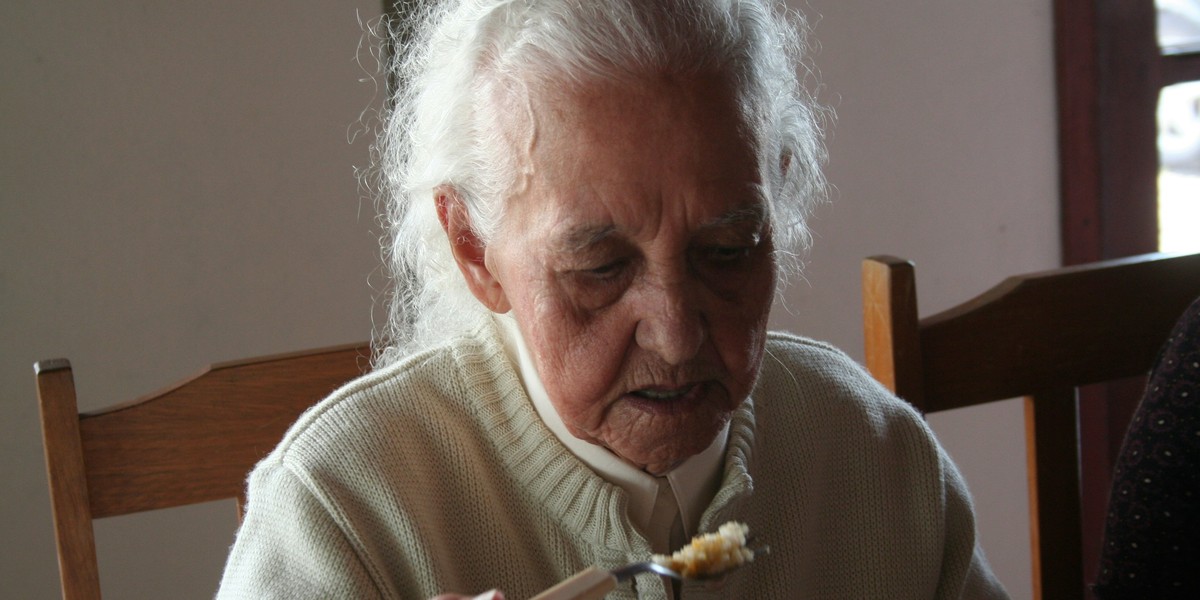
A cut that takes weeks to close, food that no longer tastes like much, a cold that seems to come back every few weeks. Many people chalk these changes up to age. In some cases, they can point to a shortage of zinc.
Zinc is a mineral found in cells throughout the body. According to the National Institutes of Health’s Office of Dietary Supplements, it helps the immune system fight off invading bacteria and viruses, and it also helps wounds heal and is important for the sense of taste. MedlinePlus, the National Library of Medicine’s consumer health site, notes that zinc is also needed for the sense of smell.
Most people in the United States get enough zinc from food, the Office of Dietary Supplements says. But its fact sheet for health professionals adds that older adults might have marginal intakes. The Merck Manual says zinc deficiency is more common among older adults who live in institutions and people who are homebound.
These are signs listed by the Office of Dietary Supplements, MedlinePlus and Merck.
Wounds that are slow to heal. MedlinePlus lists wounds that take a long time to heal. The Office of Dietary Supplements says that in older adults, zinc deficiency can delay wound healing, and Merck says wounds may heal more slowly and less completely.
Changes in taste and smell. The Office of Dietary Supplements says zinc deficiency at any age can cause a loss of taste and smell. MedlinePlus lists problems with both senses.
Poor appetite. MedlinePlus lists poor appetite, and Merck describes a loss of appetite as an early symptom.
Frequent infections. MedlinePlus lists frequent infections. Merck says immunity may be impaired.
Hair loss. MedlinePlus lists loss of hair, and Merck says people may lose their hair in patches.
Rashes or skin sores. Merck says rashes may develop, and MedlinePlus lists skin sores.
Trouble seeing in the dark. MedlinePlus lists trouble seeing in the dark, and the professional version of the Merck Manual lists night blindness among the effects in adults.
Other changes can be harder to pin down. Merck says people may feel sluggish and irritable, and the Office of Dietary Supplements says that in older adults, low zinc can cause problems with thinking, reasoning and memory. The office also cautions that many of these symptoms can be signs of problems other than zinc deficiency.
Some conditions and medicines raise the risk. Merck lists alcohol use disorder, chronic kidney disease, diabetes, liver disorders, digestive disorders that impair absorption such as Crohn disease, and the use of diuretics. The Office of Dietary Supplements says thiazide diuretics increase the amount of zinc lost in urine, and that taking them for a long time might lower the body’s zinc. People who have had weight loss surgery and those who eat vegetarian or vegan diets may also have trouble getting enough.
A diagnosis is not always simple. Merck says doctors suspect zinc deficiency based on a person’s circumstances, symptoms and response to zinc supplements, and that blood and urine tests may not accurately determine zinc status.
Food is the usual source. The Office of Dietary Supplements lists oysters as very high in zinc, along with meat, fish, poultry, crab, lobster and fortified breakfast cereals. Beans, nuts, whole grains, eggs and dairy products provide some.
More is not better. The office says too much zinc can cause nausea, dizziness, headaches, upset stomach and vomiting, and that taking too much for a long time can lower immunity and copper levels. It sets the daily upper limit for adults at 40 milligrams from all sources, unless a doctor is overseeing treatment.
This article is for general information and is not medical advice. Talk with your doctor before starting a zinc supplement or if you notice any of these signs. This article was produced with the assistance of AI and fact-checked against the sources cited by LightWave Reports.