Lifestyle
7 Foods That Naturally Lower Inflammation According to Harvard and Mayo Clinic
By Erica Coleman · June 22, 2026
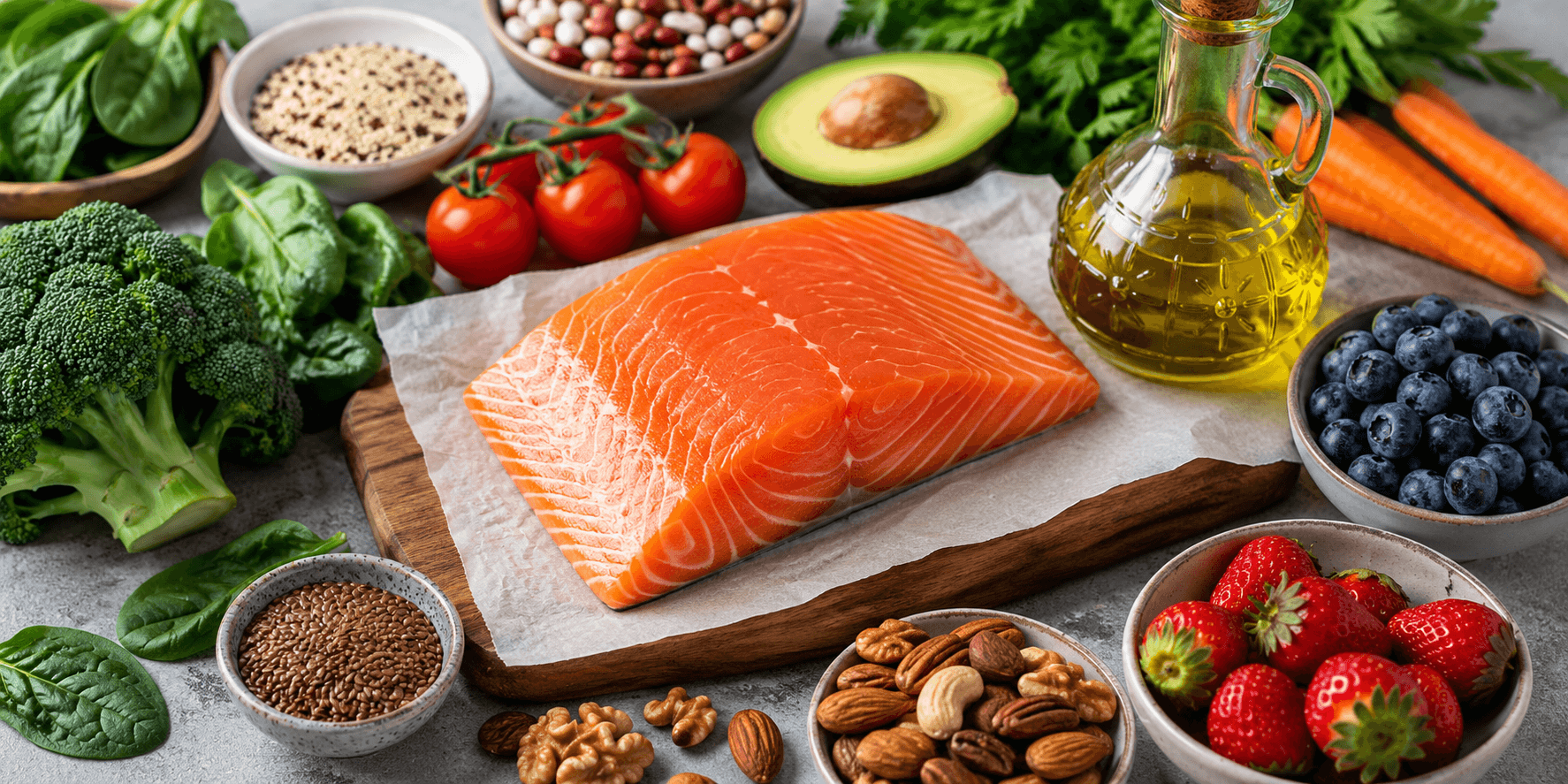
Chronic inflammation is implicated in heart disease, type 2 diabetes, cancer, arthritis, depression, and Alzheimer’s. It persists at a low level throughout the body — often without symptoms — and is driven significantly by what you eat every day. The same research institutions that identified the link between diet and inflammation have also identified the foods that fight it most effectively.
1. Fatty fish — salmon, mackerel, sardines, herring
Omega-3 fatty acids in fatty fish are among the most extensively studied anti-inflammatory compounds in nutritional science. They reduce the production of inflammatory molecules and lower markers like C-reactive protein. The American Heart Association recommends two servings of fatty fish per week. If you don’t eat fish, fish oil supplements or plant-based omega-3 sources like walnuts and flaxseed provide a partial alternative.
2. Berries — blueberries, strawberries, blackberries, raspberries
Harvard researchers note that berries are particularly high in anthocyanins — antioxidants with strong anti-inflammatory effects that reduce inflammatory markers and boost immune cell production. Blueberries consistently rank among the highest-antioxidant foods tested. A cup a day — fresh or frozen — is a practical daily anti-inflammatory serving.
3. Leafy greens — spinach, kale, collard greens
Dark leafy greens contain vitamin K, folate, and flavonoids that actively suppress inflammatory signaling pathways in the body. One cup of cooked spinach or kale provides more than the daily recommended intake of vitamin K — a nutrient most Americans are deficient in that plays a direct role in resolving inflammation after it has been triggered.
4. Olive oil — extra virgin
The polyphenols in extra virgin olive oil have anti-inflammatory properties comparable to low-dose ibuprofen, according to research cited by Johns Hopkins. The Mediterranean diet — which uses olive oil as its primary fat source — is consistently associated with lower rates of inflammatory diseases across populations. Use it for cooking, dressings, and as a finishing oil.
5. Nuts — walnuts, almonds, pistachios
Studies have associated regular nut consumption with reduced markers of inflammation and lower risk of cardiovascular disease and diabetes. Walnuts are particularly high in alpha-linolenic acid, a plant-based omega-3. A small handful daily — roughly one ounce — is the amount most studies associate with measurable benefit.
6. Tomatoes — especially cooked
Tomatoes are rich in lycopene, an antioxidant that becomes significantly more bioavailable when cooked. Lycopene inhibits NF-kB activation — one of the primary inflammatory signaling pathways in the body — and has been shown to reduce LDL oxidation, which drives vascular inflammation. Cooked tomato sauce, canned tomatoes, and tomato paste all deliver more usable lycopene than raw tomatoes.
7. Turmeric — with black pepper
Curcumin, the active compound in turmeric, has documented anti-inflammatory effects in clinical trials. The critical caveat: turmeric’s bioavailability is extremely low without black pepper, which increases absorption by up to 2,000 percent. One teaspoon of turmeric with a pinch of black pepper in soups, curries, or scrambled eggs is a practical daily dose.
The pattern across all seven foods points in one direction: a diet built around plants, fish, olive oil, and whole foods — and away from processed foods, added sugars, and red meat — is the most effective dietary strategy for reducing chronic inflammation. The Mediterranean diet is the closest existing framework. It’s not a fad. It’s the eating pattern with the strongest evidence base in nutritional science.