Lifestyle
6 Plumbing Problems You Should Never Ignore
By Erica Coleman · June 21, 2026
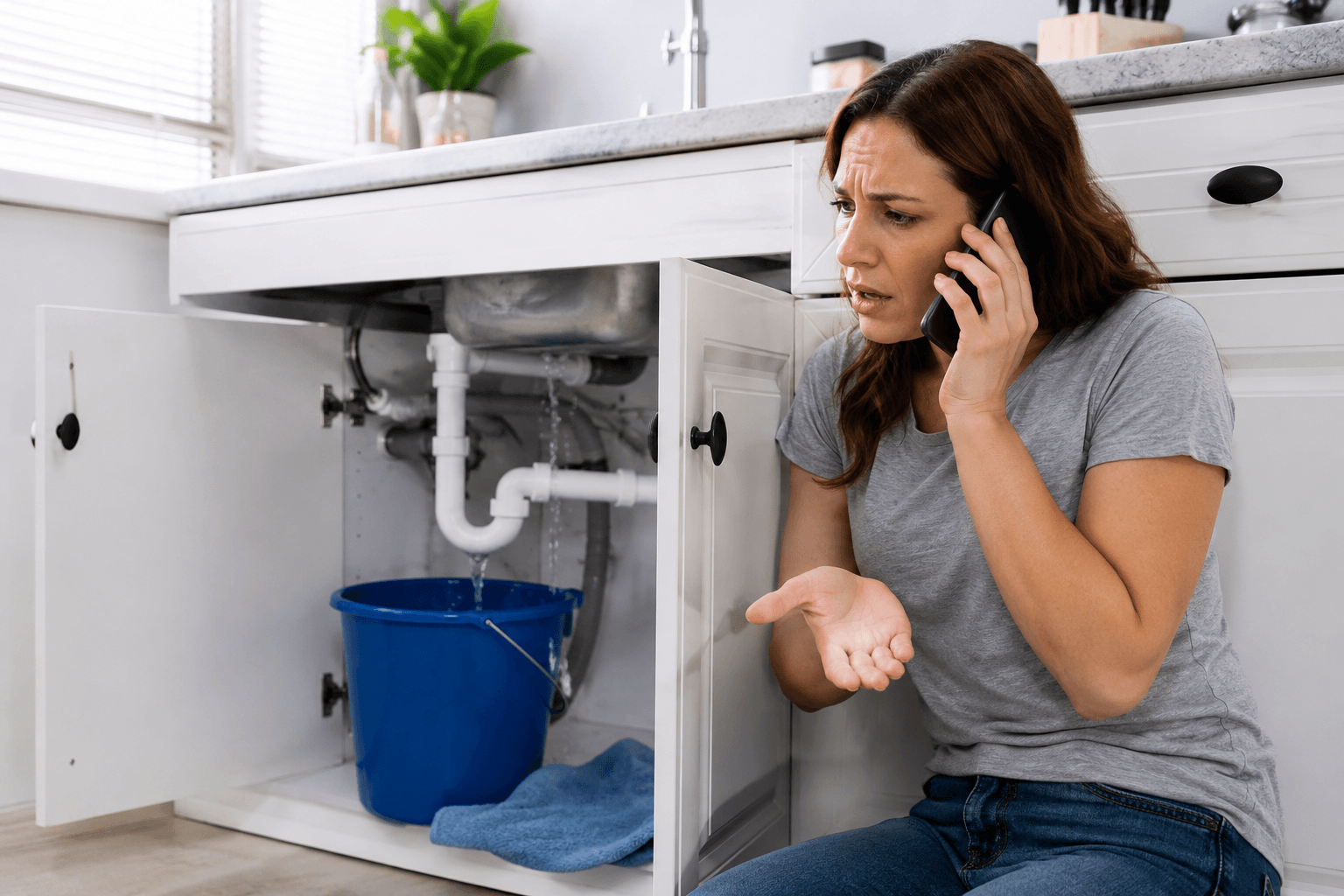
Plumbing problems have one thing in common: they get worse. A drip becomes a leak. A slow drain becomes a blockage. A minor fix that would have cost $150 becomes a $3,000 emergency because it was ignored for six months. Here are six problems plumbers say should never wait.
1. A running toilet
A toilet that runs intermittently or continuously after flushing is not just annoying — it is wasting water. A running toilet can waste up to 200 gallons of water per day, adding significantly to your water bill without producing any visible sign of the problem other than sound. The cause is almost always a worn flapper valve — a $5 to $12 rubber part available at any hardware store that takes 10 minutes to replace without tools. If the flapper replacement doesn’t solve it, the fill valve may need replacement — still a $20 part and a 30-minute job.
2. A slow-draining sink or tub
A drain that empties slowly is partially blocked. Left untreated, partial blockages become full blockages. The most common causes are hair, soap residue, grease buildup, and mineral deposits that accumulate in the drain pipe over time. Clearing a partial blockage with a drain snake costs nothing if you own one and $100 to $200 if you call a plumber. Clearing a full blockage that has been building for months — potentially requiring pipe access through a wall or floor — costs significantly more.
3. Low water pressure throughout the house
If water pressure has dropped noticeably across multiple fixtures — not just one faucet — the problem is likely in the main supply line, the pressure regulator, or the water heater rather than at an individual fixture. A sudden drop in pressure can indicate a pipe leak behind a wall that is diverting water before it reaches your fixtures, while a gradual drop often indicates mineral buildup inside pipes that worsens over time and eventually requires pipe replacement. Either way, whole-house pressure loss is not something to wait on.
4. A water heater that makes popping or rumbling sounds
Sediment builds up at the bottom of tank water heaters over time — mineral deposits that settle out of the water and accumulate on the tank floor. When the burner heats the tank, that sediment layer traps water beneath it, which boils and pops — and if you hear your water heater making popping or rumbling sounds, that’s a sign sediment has reached a level that is reducing efficiency and stressing the tank. Left long enough, it can cause the tank to crack and fail — producing a flood. Flushing the tank annually prevents this. Most homeowners have never flushed their water heater.
5. A faucet that drips continuously
A single faucet dripping once per second wastes approximately 3,000 gallons of water per year. Beyond the water cost, a persistent drip indicates a worn washer, O-ring, or valve seat inside the faucet. Fixing easily corrected household water leaks can save homeowners up to 10 percent on their water bills. Continued use with a worn internal component accelerates wear on surrounding parts — turning a $5 washer replacement into a $200 faucet replacement. Fix dripping faucets when they start, not when they become intolerable.
6. A sewer smell coming from a drain
A persistent sewer smell from a floor drain, sink drain, or shower drain typically indicates a dried-out P-trap — the U-shaped pipe beneath the drain that holds water to block sewer gases from entering your home. The fix is usually as simple as running water in the drain for 30 seconds to refill the trap. If the smell persists after refilling, the problem may be a cracked or missing trap, a broken vent pipe, or a sewer line issue — all of which require professional diagnosis. Sewer gases contain methane and hydrogen sulfide, which are both health hazards and, in sufficient concentration, flammable.
A plumber’s annual inspection costs $100 to $200 and covers all six of these items. The cost of ignoring any one of them is consistently higher — often by an order of magnitude.