Lifestyle
5 Signs Your HVAC System Is About to Fail
By Curtis Jones · June 20, 2026
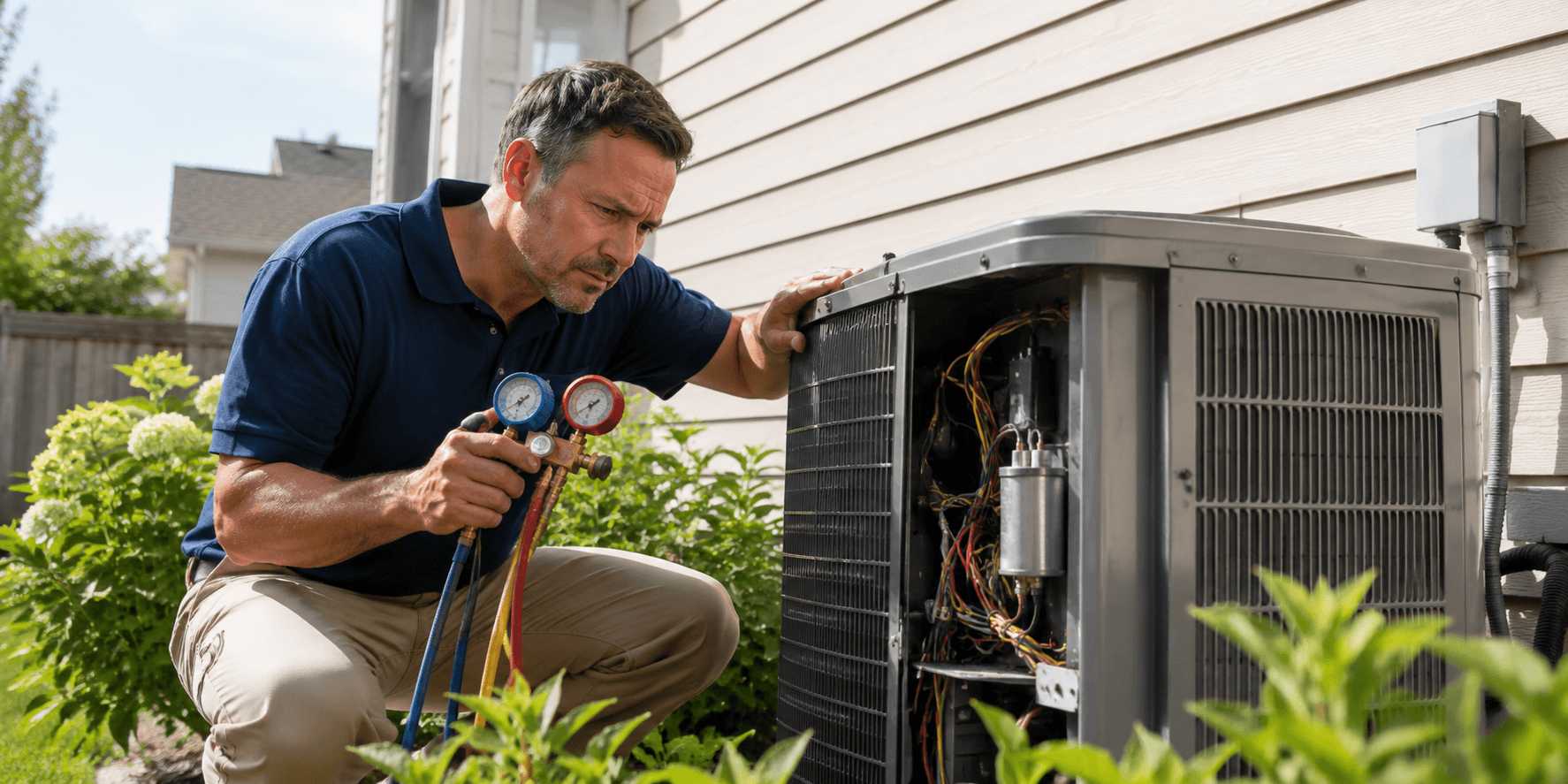
The worst time to discover your air conditioning is failing is the first truly hot day of summer — when every HVAC technician in your area is already booked out two weeks. The second worst time is any time after that. The good news is that most HVAC failures are preceded by warning signs that appear weeks or months before the system gives out entirely. Here is what to watch for.
1. Weak or inconsistent airflow
Reduced airflow from your vents — air that feels like it’s barely moving even when the system is running — can indicate a failing compressor, a clogged air filter, deteriorating ductwork, or a blower motor beginning to fail. If some rooms in your home are cooling normally while others barely receive any air, that unevenness points to ductwork issues or a system that is no longer capable of distributing air effectively across the whole house. A clogged filter is the easiest fix — replace it and see whether airflow improves. If it doesn’t, call a technician.
2. Warm air from the vents despite the thermostat being set correctly
An air conditioner blowing warm or room-temperature air when it should be cooling is one of the clearest signals that something is wrong. The most common causes are a refrigerant leak, a failing compressor, or a frozen evaporator coil. Refrigerant leaks are particularly significant — they don’t just reduce cooling efficiency, they are an environmental and health hazard and require a licensed technician to repair. Running a system with low refrigerant accelerates wear on the compressor, turning a repair into a replacement.
3. Unusual sounds — banging, grinding, rattling, or squealing
A properly functioning HVAC system should be relatively quiet. Banging or clanking sounds suggest a loose or broken part inside the unit — sometimes a component that has come free and is moving around inside the cabinet. Grinding suggests motor bearings wearing out. Rattling can indicate loose panels, ductwork, or debris inside the unit. Squealing — particularly at startup — often points to a failing belt or motor bearing. None of these sounds are normal and all of them warrant a service call before the problem worsens.
4. Short cycling — the system turns on and off frequently
Short cycling is when your HVAC system starts, runs briefly, shuts off, and then starts again in rapid succession rather than running a full cooling cycle. It is one of the most damaging operating patterns for an HVAC system because the startup phase places the most stress on components — repeated startups accelerate wear on the compressor, contactor, and capacitor. Short cycling is caused by an oversized system, a refrigerant leak, a dirty evaporator coil, or a failing thermostat. Left unaddressed, it dramatically shortens the system’s remaining lifespan.
5. Spiking energy bills without a change in usage
If your electricity bill has increased significantly compared to the same period last year, and you haven’t added new appliances or changed your usage habits, your HVAC system is likely the cause. An aging or failing system has to work harder and run longer to achieve the same cooling — consuming significantly more energy in the process. A 15-20% increase in summer electricity costs is a strong signal that your system is losing efficiency and may be approaching the end of its service life.
The average lifespan of a central air conditioning system is 15 to 20 years. If your system is more than 12-15 years old and displaying any of the signs above, have it evaluated before the peak of summer. A service call now costs $75 to $150. An emergency replacement in July — with installation delays and premium pricing — can cost $5,000 to $12,000 or more.