Lifestyle
6 Ways You’re Overpaying at the Pharmacy Every Month
By Erica Coleman · June 10, 2026
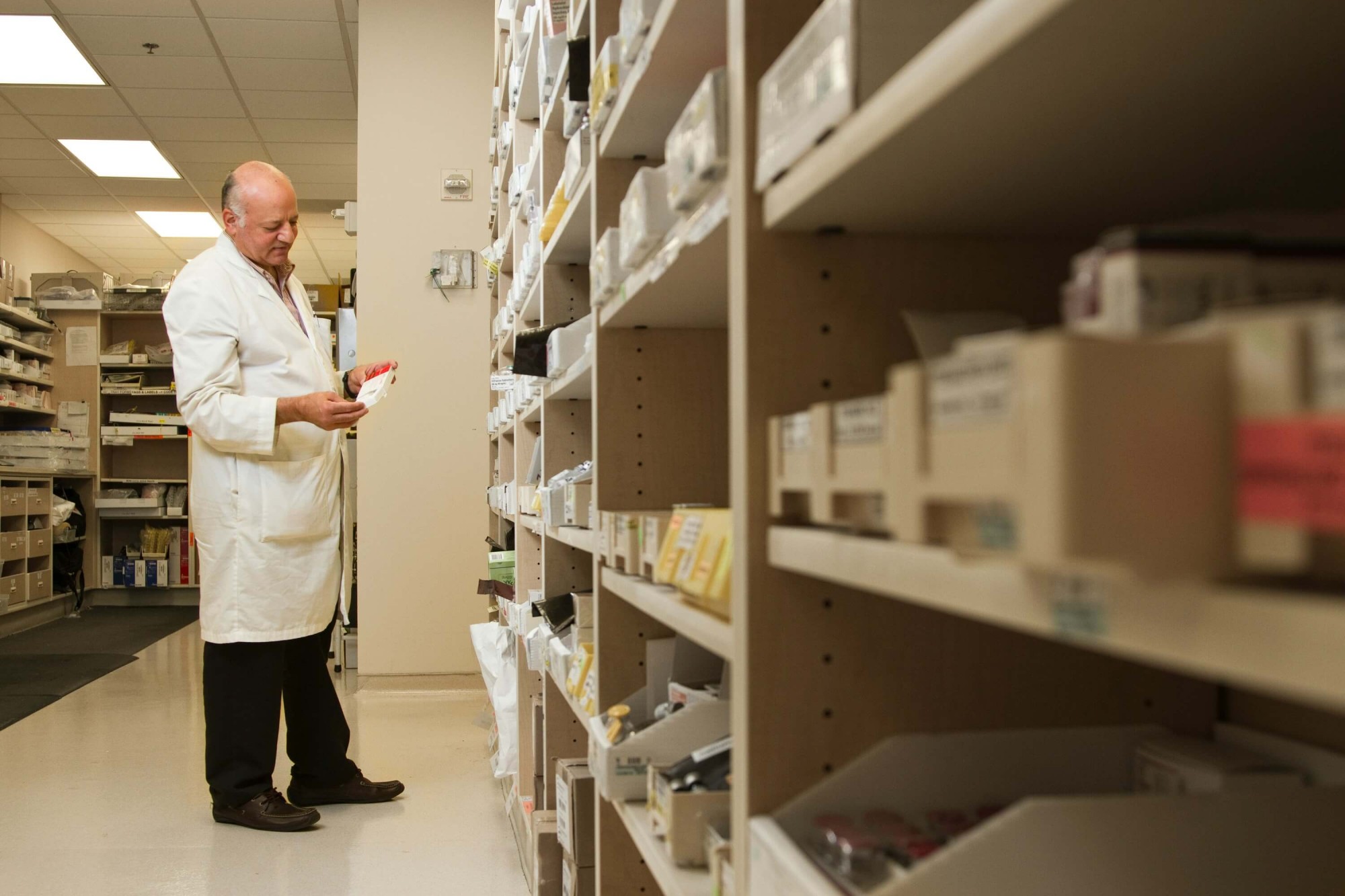
Americans spend approximately $600 billion annually on prescription drugs — the highest per-capita prescription drug spending in the world. Consumer advocates and pharmacists say a significant portion of that cost is avoidable through practices that most patients have never tried.
1. Not checking GoodRx before paying
GoodRx is a free price comparison tool that aggregates pharmacy discounts and negotiated rates across more than 70,000 pharmacies nationwide. In many cases, the GoodRx price for a generic medication is lower than the copay you would pay through your insurance — meaning it is cheaper to use GoodRx and not use your insurance at all for that prescription. Checking GoodRx before every prescription fill costs nothing and takes thirty seconds. For uninsured patients and those with high-deductible plans, the savings are frequently substantial.
2. Asking for the generic
The FDA requires generic drugs to contain the same active ingredients in the same strength, dosage form, and route of administration as their brand-name equivalents. They are therapeutically identical. The price difference is not: brand-name drugs cost an average of 85% more than their generic equivalents, according to Consumer Reports. Ask your doctor or pharmacist specifically whether a generic is available before filling any new prescription. If your doctor writes a brand-name prescription, ask whether substituting the generic is medically appropriate for your situation.
3. Not using mail-order pharmacy for maintenance medications
Most insurance plans offer a mail-order pharmacy option for medications taken regularly — blood pressure drugs, diabetes medications, cholesterol treatments, thyroid medications. Mail-order typically provides a 90-day supply for the cost of a 60-day copay, producing savings of approximately 30-40% on maintenance medications. It also reduces the number of trips to a pharmacy and ensures you don’t run out. Call your insurance company and ask whether mail-order pharmacy is available under your plan.
4. Not asking the pharmacist about lower-cost alternatives
Pharmacists are licensed medical professionals with deep knowledge of drug pricing and alternatives. They can tell you whether a lower-cost drug in the same class is available, whether a different dosage form might cost less, and whether manufacturer coupons or patient assistance programs apply to your medication. Most patients never ask. The conversation takes two minutes and requires only the question: “Is there a less expensive option for this medication?” Pharmacists are required to dispense what’s prescribed — but they can counsel you on options to discuss with your prescriber.
5. Not applying for manufacturer patient assistance programs
Most major pharmaceutical manufacturers operate patient assistance programs that provide medications at reduced or no cost to patients who meet income eligibility requirements. These programs are separate from insurance and are available to insured and uninsured patients alike. NeedyMeds.org maintains a free searchable database of patient assistance programs by drug name. For patients on expensive brand-name medications with no generic equivalent — cancer drugs, specialty biologics, certain psychiatric medications — the savings can be thousands of dollars per year.
6. Paying cash instead of using a copay assistance card
Many pharmaceutical companies offer copay assistance cards for brand-name medications that reduce or eliminate the patient’s copay. These cards cannot be used with Medicare or Medicaid, but for commercially insured patients, they frequently reduce a $50 or $100 copay to zero. Ask your prescribing doctor’s office whether a copay card is available for any new brand-name medication you are prescribed. They are almost never offered proactively — you have to ask.