Lifestyle
5 Signs Your Home’s Electrical Panel Needs an Upgrade
By Curtis Jones · July 13, 2026
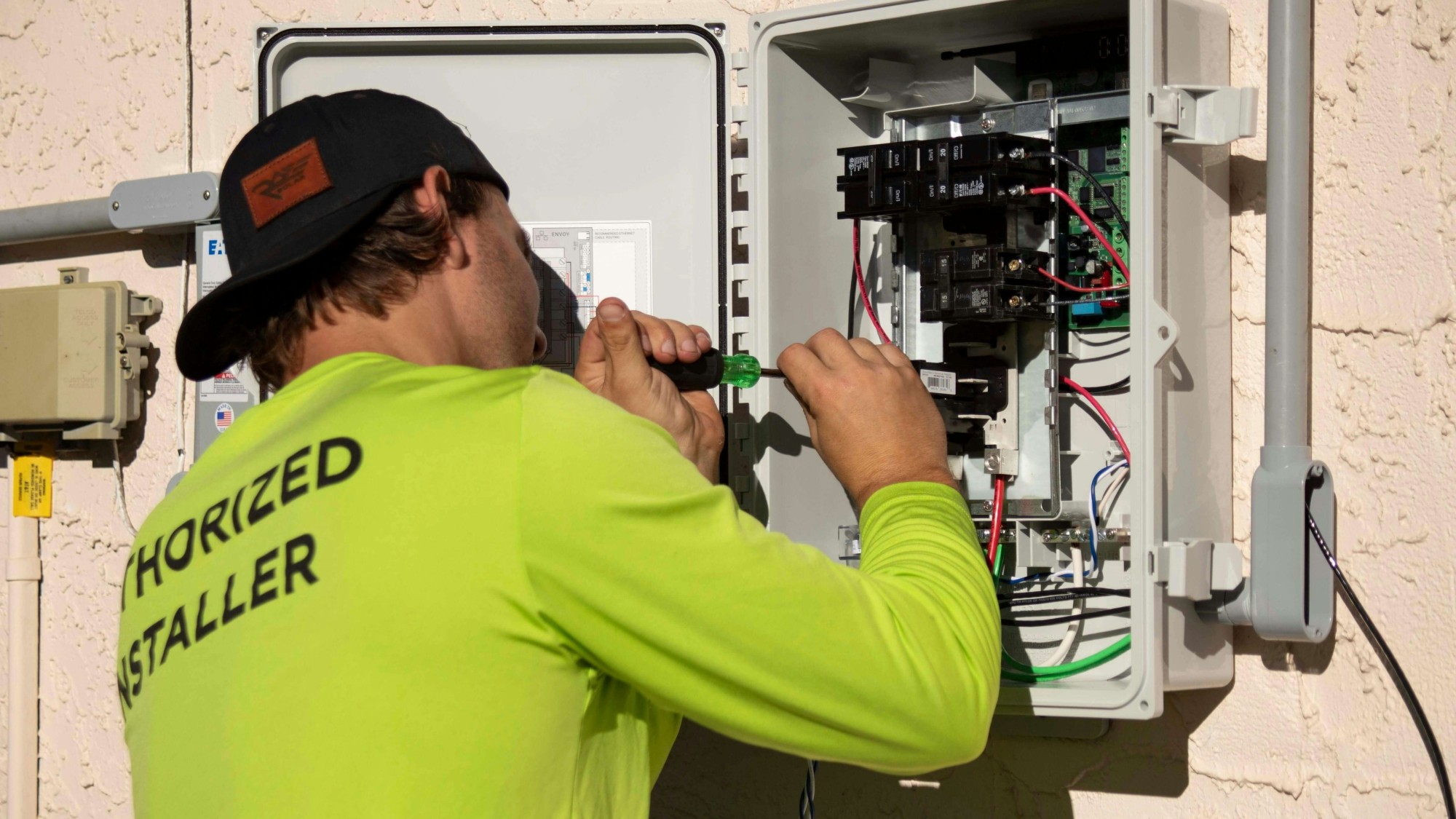
Electrical failures cause an estimated 24,200 residential fires a year in the United States, according to National Fire Protection Association data — and the panel sitting quietly in your garage or basement is often where the trouble starts.
Most homeowners never think about their electrical panel until something goes wrong. But panels do send warning signs before they fail, and knowing what to watch for can be the difference between a routine upgrade and a house fire. Here’s what electricians and federal safety regulators say to look for.
Breakers that trip repeatedly. An occasional trip after plugging in too many devices at once is normal. Breakers tripping regularly, without any change in how you’re using power, means the panel can no longer keep up with your home’s demand. It’s not just an inconvenience — a panel that’s chronically overtaxed is at greater risk of overheating.
A panel that’s warm, buzzing, or smells like it’s burning. A healthy panel should be cool, quiet, and odorless. Warmth, a persistent buzzing or crackling sound, or any burning smell near the panel signals overheating or failing internal connections — and it warrants an immediate call to a licensed electrician, not a wait-and-see approach. Do not open the panel yourself; it carries lethal voltage even with the main breaker switched off.
A known hazardous brand. Panels made by Federal Pacific, Zinsco, or Pushmatic have a well-documented design flaw: their breakers can fail to trip during an overload, which means the safety mechanism that’s supposed to prevent a fire simply doesn’t activate. If your home still has one of these brands installed, replacement — not just inspection — is generally the recommendation.
Aluminum wiring from the mid-1960s to mid-1970s. Aluminum expands and contracts more than copper as it heats and cools, which loosens connections over time and creates the conditions for arcing and overheating. The Consumer Product Safety Commission has specifically flagged aging home wiring systems — including this era of aluminum wiring — as a leading cause of home electrical fires, and has run federal programs aimed at identifying and correcting these hazards. If your home was built during that window and the wiring has never been inspected, it’s worth having a licensed electrician take a look.
Reliance on power strips and extension cords as a permanent fix. If your home runs on a web of power strips because there simply aren’t enough outlets or circuits to meet everyday needs, that’s not a workaround — it’s a sign the panel and circuit layout haven’t kept pace with how the home is actually used. Extension cords are meant to be temporary, not a long-term solution for insufficient capacity.
None of this is a DIY project. Panel work involves the service entrance — the point where power comes in from the utility — and parts of that connection carry live current even when the main breaker is off. It’s licensed-electrician work, full stop.
The upside is that catching these signs early is inexpensive compared to the alternative. A typical panel upgrade runs a few thousand dollars. An electrical fire costs immeasurably more — and it’s one of the more preventable categories of house fire there is.