Politics
The Supreme Court Rejected Trump’s Attempt to End Birthright Citizenship 6‑3
By Mike Harper · July 1, 2026
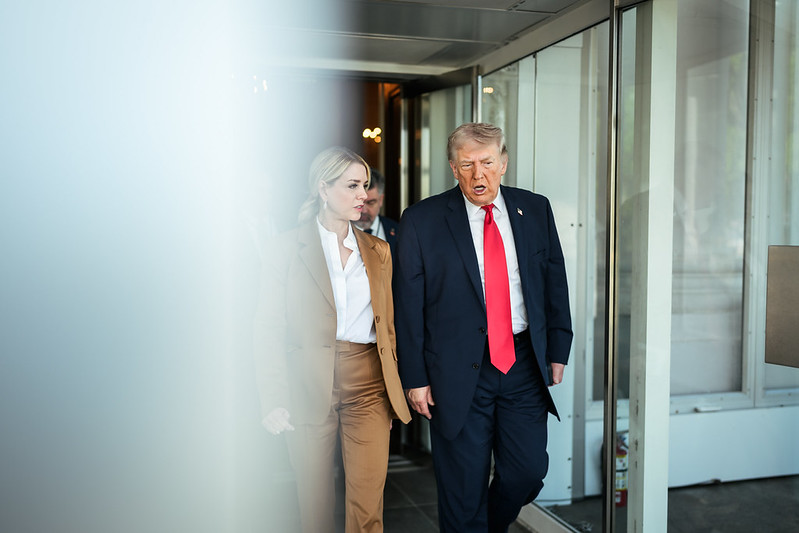
The question that has defined American citizenship for 158 years was answered the same way Tuesday that it was answered in 1868. If you are born here, you are an American.
The Supreme Court ruled 6-3 that President Trump’s executive order attempting to end birthright citizenship for children born to non-citizen parents is unconstitutional. Chief Justice John Roberts wrote the majority opinion, joined by Justices Barrett, Sotomayor, Kagan, Jackson, and Kavanaugh. Justices Thomas, Gorsuch, and Alito dissented.
Roberts’s closing paragraph was written for history.
“Citizenship, then and now, was the right to have rights — to freely participate in our political community. The Framers of the Fourteenth Amendment extended that promise to every free-born person in this land. We keep that promise today.”
Trump signed the executive order on his first day in office — January 20, 2025 — making it among the earliest and most provocative actions of his second term. The order sought to deny citizenship to children born on American soil if neither parent was a US citizen or lawful permanent resident. An estimated 255,000 children born each year would have been affected, according to the Migration Policy Institute. Some would have been born stateless — citizens of no country.
Every lower court that reviewed the order blocked it. Not one upheld it. The Supreme Court affirmed what every district and appellate judge had already concluded: a president cannot amend the Constitution by executive order.
Trump became the first sitting president in history to attend Supreme Court oral arguments when he appeared for the birthright case in April. He sat in the gallery while the justices questioned his administration’s lawyers. He watched. He lost.
His response on Truth Social was immediate and personal. He called the justices who ruled against him “unpatriotic” and suggested the ruling proved the need for his SAVE America Act — the same legislation he acknowledged yesterday “probably not going to happen.”
The ACLU’s legal director, Cecilia Wang, who argued the case, framed the significance plainly.
“The court’s decision reaffirms a fundamental American promise — if you are born here, you are a citizen. A president cannot change the Constitution by executive fiat.”
The ruling is the second major rebuke of Trump’s executive power on immigration this term, following the February decision striking down his emergency tariffs. Combined with Monday’s 5-4 ruling upholding mail-in ballot grace periods, the court has now ruled against the administration three times in its final week — twice with conservative justices crossing to form the majority.
The 14th Amendment was ratified in 1868. Its citizenship clause was written to ensure that the children of formerly enslaved people could never be denied the citizenship that their parents had been denied. Tuesday’s ruling ensures it continues to mean what it has always meant: born here is American. No exceptions. No executive orders. No president gets to decide otherwise.