Politics
Supreme Court Signals Interest in Revisiting Key Regulatory Authority Case
By Mike Harper · April 2, 2026
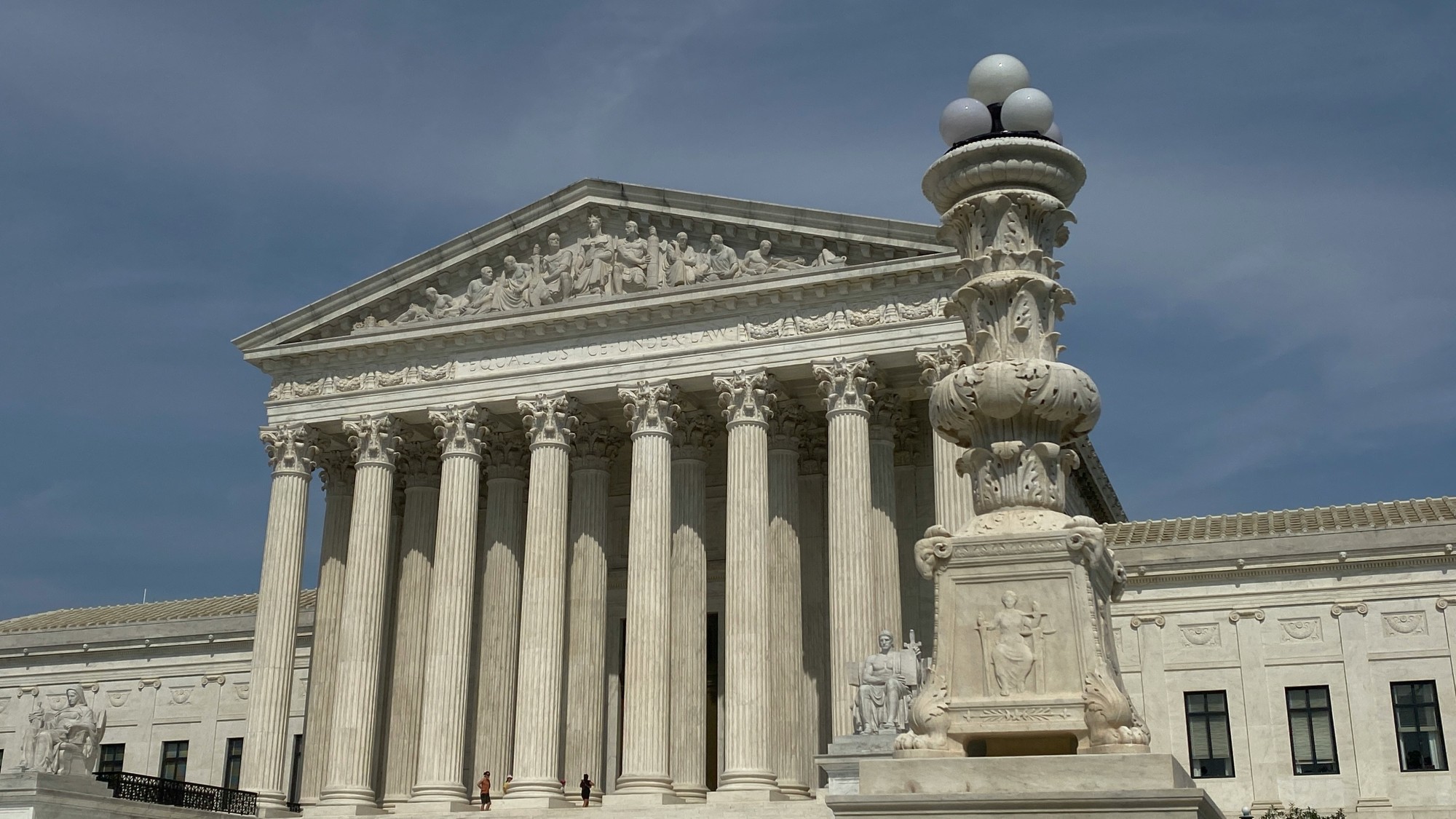
A short order from the Supreme Court doesn’t usually travel very far outside legal circles.
This one did.
The justices indicated they may take up a case tied to how federal agencies interpret the laws they enforce—a technical question on the surface, but one that tends to open into something much larger once you start pulling on it.
At issue is a long-standing legal principle that gives agencies room to interpret ambiguous statutes within their domain. It’s been part of the system for decades. Quietly, most of the time.
But not without criticism.
According to The New York Times, the Court’s signal suggests at least some interest in reconsidering how much weight those interpretations should carry. That doesn’t guarantee a sweeping change, but it does put the question back into play in a way that hasn’t happened recently.
And that alone is enough to get attention.
The doctrine itself—often referenced in legal arguments more than public debate—has shaped how regulations are applied across a wide range of industries. Environmental rules, financial oversight, telecommunications—it all runs through this same basic structure.
Which is part of why it’s stayed in place.
Agencies, by design, deal with complexity. Congress writes the law, but it doesn’t always spell out every detail. That gap has historically been filled by regulators interpreting how those laws apply in practice.
It works. Until it doesn’t.
Critics argue that this setup gives too much authority to unelected officials, allowing agencies to effectively shape policy rather than just enforce it. Supporters tend to frame it differently—as a necessary way to manage modern governance without requiring Congress to revisit every technical detail.
Both arguments have been around for a while.
What’s changed is the Court’s posture.
As Reuters notes, businesses and industry groups have been increasingly willing to challenge agency rules in recent years, often pushing back on how broadly regulations are interpreted. A shift in the Court’s approach could make those challenges easier—or at least more frequent.
That doesn’t mean the system would flip overnight.
Even if the Court takes the case, and even if it narrows the current standard, agencies would still play a central role in enforcement. But the boundaries might tighten. Or at least become more contested.
That part is harder to predict.
What’s clearer is that the issue won’t stay confined to legal filings. If the Court moves forward, the implications would show up in how rules are written, challenged, and applied—sometimes in ways that aren’t immediately obvious.
For now, it’s just a signal.
But it’s the kind that tends to lead somewhere.