Politics
Legal Fight Emerges Over Trump Order Tightening Mail-In Voting Rules
By Mike Harper · April 2, 2026
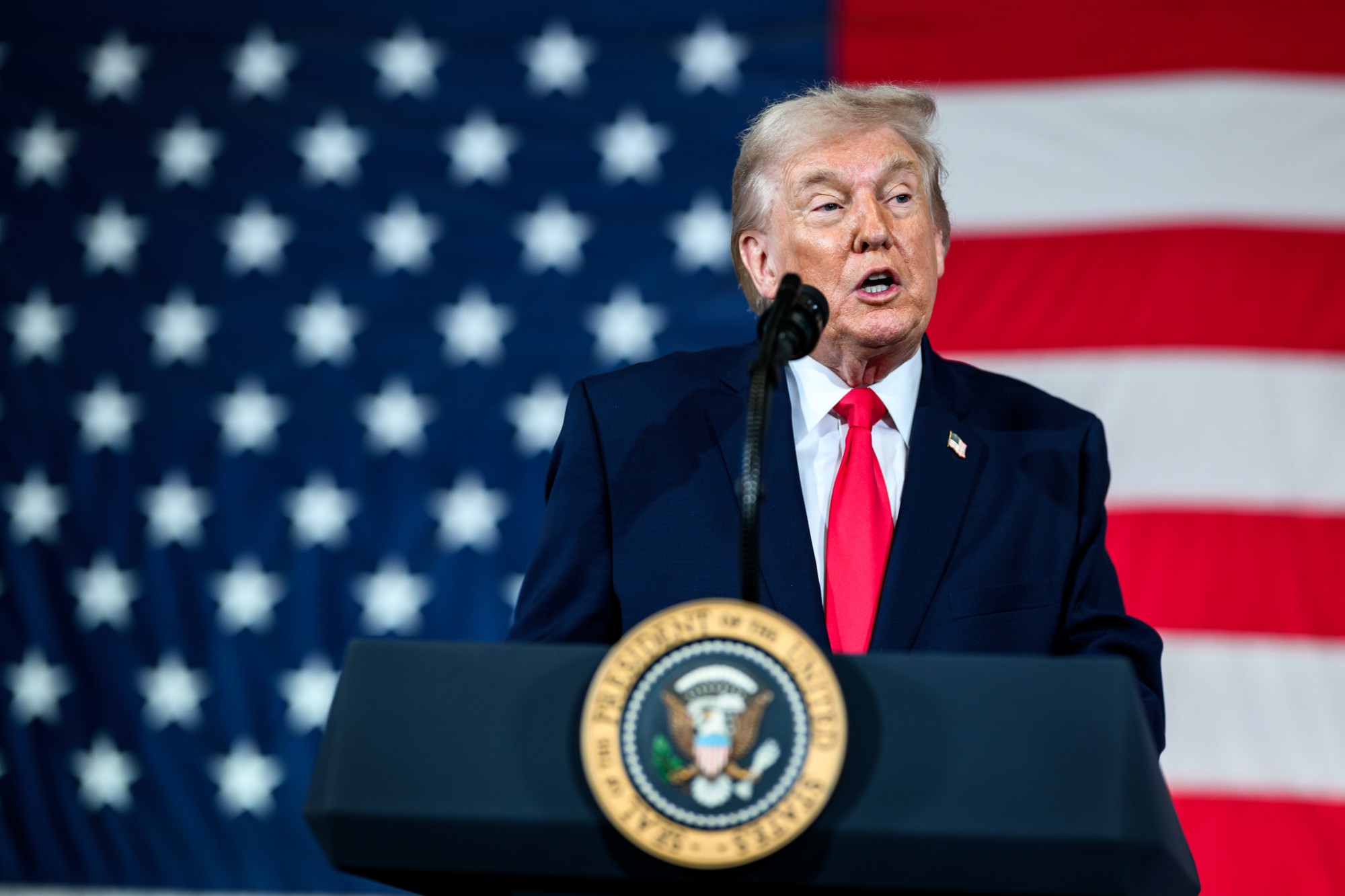
A legal fight over mail-in voting is already underway—and it didn’t take long.
Within days of a new executive order from Donald Trump aimed at tightening absentee ballot rules, Democratic groups moved to challenge it in court. The dispute isn’t just about the policy itself. It’s about whether the federal government can impose it this way in the first place.
According to reporting from Reuters, the lawsuit argues the order steps into territory that has traditionally belonged to the states. That question—who controls the mechanics of elections—has been tested before, but rarely without friction.
States run elections. That’s the baseline.
Congress has some authority to set standards. But the executive branch operates in a narrower space, which is where this starts to get complicated.
Legal analysts cited by The Hill suggest the order could face immediate resistance if courts view it as an attempt to enforce new requirements rather than simply recommend them. That distinction matters more than it might sound. Guidance is one thing. Mandates are another.
And courts tend to separate the two pretty carefully.
The broader debate around mail-in voting has been building for years, particularly after its expanded use during the pandemic. Supporters of stricter rules often frame the issue around ballot security and verification. Others focus on access, noting that absentee voting plays a significant role for certain groups, including older voters and those in rural areas.
There’s also a timing issue that’s hard to ignore.
Election systems aren’t easily adjusted mid-cycle. Local officials are already operating within established procedures, and introducing new federal expectations—especially ones tied to verification—could create logistical complications.
That part hasn’t been lost on election administrators.
For now, the legal question may come down to how the order is interpreted. If it’s viewed as advisory, it may carry less immediate impact. If it’s seen as binding, the challenge becomes more urgent.
Either way, the case adds another layer to a debate that hasn’t exactly settled. And it probably won’t anytime soon.