Lifestyle
Lisa Moved Closer to Family to Help With Her Grandson. She Weighed Both Sides and Asked: “What Better Purpose Can I Have?”
By Erica Coleman · November 9, 2026
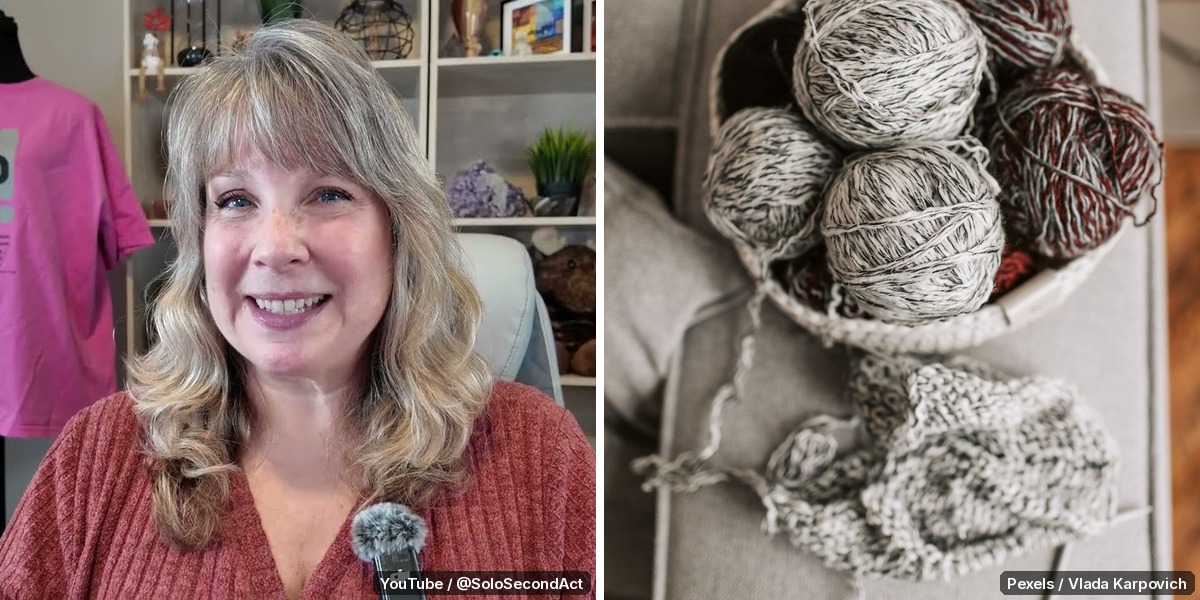
When people ask Lisa what she does in retirement and she says part of it is looking after her grandchildren, she says the reactions split in two. Some people tell her she is lucky and wish they lived closer to their own grandkids. Others say it is not for them, because they already raised their kids.
“Hi, my name is Lisa. I’m a retired counselor, teacher, mom, grandma, proud Canadian,” she says in a February video on her YouTube channel, Solo Second Act (@SoloSecondAct). She made the video to look at both sides, and she says the research she read supports both, within limits.
She says she wants to look back and be grateful for the time she spent with the kids. “That’s what keeps me going when I have to get up super early. And anyone who knows me knows I hate getting up early in the morning, but I will do it for them,” she says.
Her reasons, and the other side of the argument, are in her video on YouTube.
For Lisa, the decision was deliberate. She says she was able to retire early and move closer to her family so she could help. “This move to where they live was very intentional,” she says. She wants the kind of relationship with her grandchildren that her own kids did not really get with theirs, she explains, because work and distance got in the way.
There is a practical side too. Her grandson has some health issues and needs special care, she says, and her family trusts her with him.
Then her counselor background comes in. She says the first three years of a child’s life matter a great deal for stability and emotional well-being, and she wants to be part of that. “I’m thinking, what better purpose can I have with my life at this stage than that?”
She does not stop there. Lisa spends much of the video on the case against heavy child care in retirement. She says the research she read links moderate, chosen care with benefits, while high-intensity or custodial care is tied to more stress and worse health. She draws a line between watching the kids on Tuesdays and Thursdays and doing it all day, five days a week. She also says there is nothing selfish about wanting the retirement you planned.
The National Institute on Aging, writing about grandfamilies and kinship families, describes a similar mix for grandparents who become a child’s main caregiver. NIA says more than 2.7 million children in the United States are being raised by older family members. It says caring for young relatives can bring feelings of satisfaction, pride and significance, but can also affect a caregiver’s physical, mental and financial well-being. Its advice is to see a health care professional regularly, get enough rest, stay physically active and stay connected with friends and family.
Lisa is not raising her grandson full time, and NIA’s page is about primary caregivers. But the advice translates. Her own test is a question to ask at the end of a week: do you feel energized and grateful, or depleted, exhausted and a little resentful? She points out that two grandmothers can do the same three days and feel very differently about it.
If you are weighing a similar arrangement, it may help to settle a few things up front:
How many hours can you give, week after week, without wearing down?
What happens when you are sick or need a day off?
Have you talked about money, schedules and what happens if your health changes?
Lisa’s answer works for her family. She is clear that it is not the only right one.
This article is for general information and is not medical, legal or financial advice. This article was produced with the assistance of AI and fact-checked against the sources cited by LightWave Reports.