Lifestyle
In Her Late 50s She Quit a Job She Dreaded With No Real Plan. Looking Back: “The Best Decision I Ever Made”
By Curtis Jones · November 9, 2026
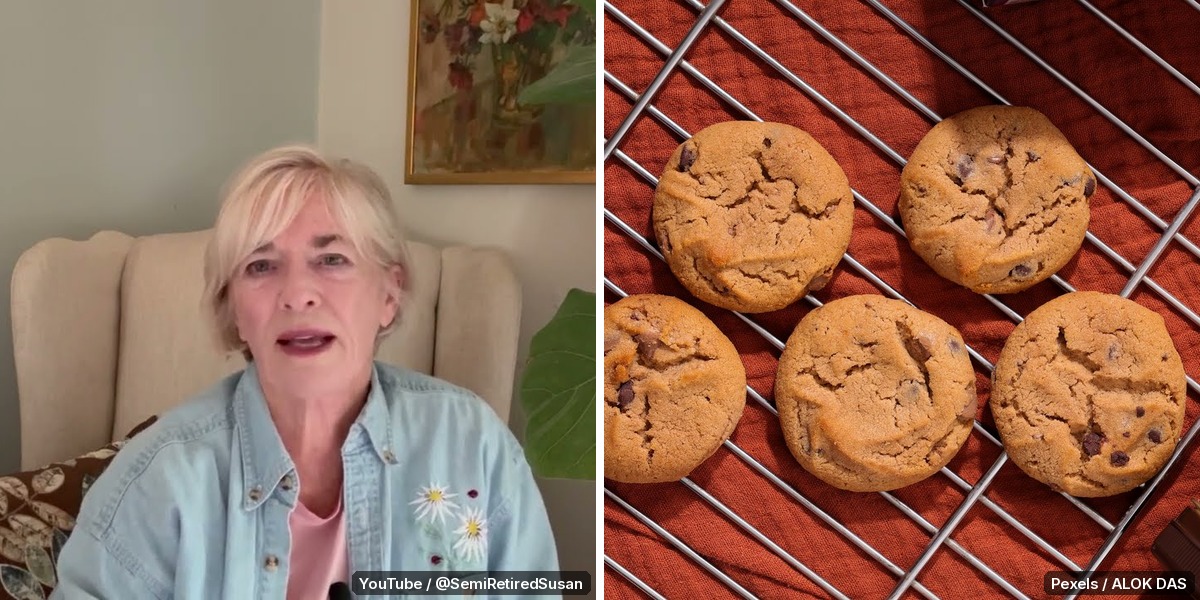
Susan says her biggest start-over came in her 50s, and she did not see it coming.
“My big start-over was when I was 50 and I was going through a divorce,” she says in a video on her YouTube channel, Semi Retired Susan (@SemiRetiredSusan). She calls it the most difficult time of her life. She had just moved to a new city and started a new job, and she was suddenly a single mom with a son still in high school.
She stayed in that job because she had to. She was the only earner and her younger son was headed to college. But she says the work was not as creative as she expected, with a lot of paperwork. After seven years, she describes getting up every day knowing she would dread it.
Finally, she says, the mental drain was too much. “So at 56, 57, I decided to quit. I didn’t really have a solid plan.”
What she did next is in her video on YouTube.
She had a little savings to hold her over, she says, and she felt she had lost her purpose. She had loved baking since she was a little girl, so she began researching cookie companies around the country: their flavors, their packaging, where and how they sold. Then she started small, with a table at a farmers market and the usual chocolate chip and oatmeal raisin.
That was 17 years ago, by her count. She says she has sold online, works craft shows and fairs, and delivers cookies to stores in her area. She is honest that it is physical work, standing and baking all day and hauling 25-pound bags of supplies. She also says she has loved every minute of it.
“My decision to leave an unhappy full-time job was really the best decision I ever made,” she says. These days she has slowed down to make more time for herself, which is why she calls herself semi-retired.
The most useful part of her video may be her warning. “I wouldn’t advise quitting your job like I did with no real plan,” she tells viewers. Her advice is to keep your full-time job and build the new idea on evenings or weekends, so it is ready when retirement comes, and to take it slowly.
The U.S. Small Business Administration’s guide to planning a business points in the same direction. It starts with market research, asking whether there is demand for your product, where your customers are, how many similar options already exist and what people pay for them. That is close to the homework Susan describes doing on other cookie companies.
The SBA also suggests listing startup costs before you open, such as equipment and supplies, licenses and permits, insurance and marketing. And it adds a caution for anyone paying their own way: be careful about tapping retirement accounts early, because you could face fees or penalties or hurt your ability to retire on time. It recommends checking with your plan administrator and a financial advisor first.
If her story sounds familiar, a few questions can help:
What would you do if you left? Susan’s answer came from something she had loved since childhood.
How long could your savings carry you? She had a little set aside, and she still advises keeping the paycheck while you test the idea.
Can you start small? Her business began with one table at a farmers market.
Her story is hers, not a promise that quitting will work out for anyone else. She says so herself.
This article is for general information and is not financial or career advice. This article was produced with the assistance of AI and fact-checked against the sources cited by LightWave Reports.