Lifestyle
Jim, 66, Retired as a Chemical Company Executive. Then He Went Back to School and Became a Nurse: “Grateful for the Chance to Do What I’m Doing”
By Erica Coleman · November 12, 2026
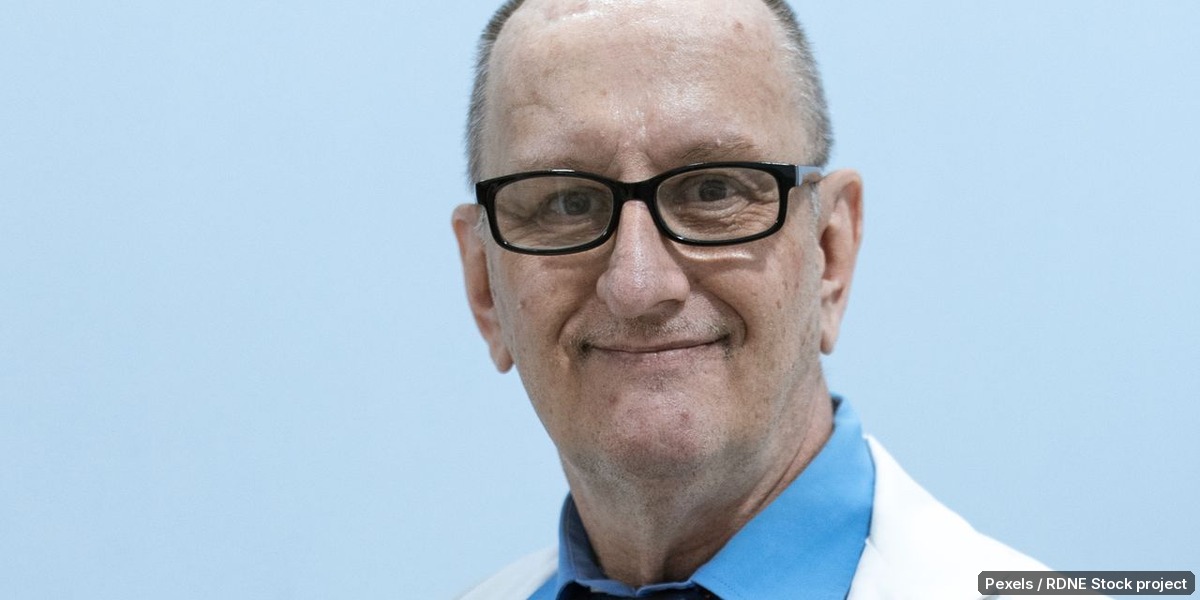
Jim Segbers spent decades as a chemical engineer and retired as an executive vice president. Most people would call that a finished career. He called it a starting point.
In April 2025, at 66, Segbers was the oldest of 50 students in the graduating class at Goldfarb School of Nursing in St. Louis, according to First Alert 4 reporter Russell Kinsaul of KMOV.
“I feel like I’ve got a little bit left to give,” he told the station.
The station reported that Segbers retired from Chemline Inc. in north St. Louis County. He is a father and grandfather, and he and his wife, Mimi, were foster parents to nine children and adopted three of them.
As retirement got close, he sat down and asked himself what came next. “What’s on the other side of retirement? I grabbed a pad of paper and I said, ‘Jim what makes you happy?’” he told KMOV.
His answer, the station reported, was working toward a goal, solving problems and being meaningfully helpful to others. So instead of filling his days with golf, grandkids and travel, he enrolled in nursing school.
He stood out on day one, being as much as 40 years older than some classmates, but KMOV said the other students welcomed him. “Whenever I think about Jim, I don’t even think about his age,” study group member Maryah Green told the station. Another member of his study group, Greta Ivanova, put it this way: “Sometimes Jim is like a dad, but he’s more like a friend.”
His instructors noticed, too. Clinical nursing instructor Dr. Kristen Hill described him as “a straight-A student,” adding, “He’s incredibly intelligent but also very personable. Takes the time to get to know people.”
During his clinical rotations, Segbers said his age turned out to be an advantage. Many of his patients were around his age, and he told the station he thinks that made them comfortable with him. Many times, he said, he would get into his car at the end of the afternoon feeling “grateful for the chance to do what I’m doing.”
He had a job before he graduated. KMOV reported that he was hired to work in the medical oncology unit at Barnes-Jewish Hospital, starting May 19, 2025. “I hope to be a nurse for a long time,” he said.
His timing lines up with a field that keeps hiring. According to the U.S. Bureau of Labor Statistics, registered nurses earned a median of 97,550 dollars a year in May 2025, and the agency projects about 180,800 openings a year on average over the next decade. Many of those openings, BLS says, will come from nurses who change careers or leave the workforce, including to retire.
BLS notes that registered nurses usually take one of three paths: a bachelor’s degree in nursing, an associate degree or a diploma from an approved program. Every RN must be licensed.
For readers thinking about a late career change of their own, Segbers’s notepad question is a decent first step. After that, a few practical checks help. Look at how long the programs near you take and whether they accept credits from a past degree. Ask what clinical hours involve, since nursing school includes shifts on hospital floors. And if you are already collecting Social Security before your full retirement age, check the Social Security Administration’s earnings test, because a new paycheck can temporarily reduce benefits.
Segbers summed up his reason in the video. He has, he says, one life to live, and he means to use it.
This article is for general information and is not financial or legal advice. Details are Jim Segbers’s account and KMOV’s reporting. This article was produced with the assistance of AI and fact-checked against the sources cited by LightWave Reports.