Lifestyle
Edith, 102, Was Denied VA Benefits as a Navy Veteran’s Widow. Then the VA Reversed Itself: “I’m Very Grateful”
By Curtis Jones · November 12, 2026
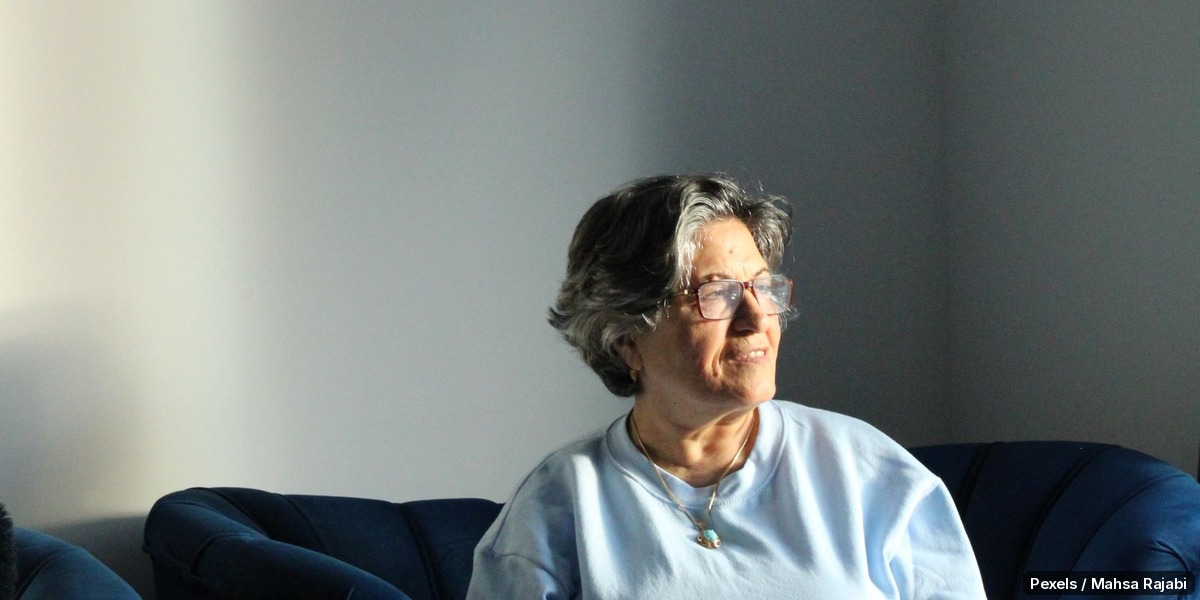
Edith Reid was 102 when she found out the government had changed its mind.
Her husband had served in the Navy, and WTAE Channel 4 in Pittsburgh reported that he was a World War II veteran. More than anything, she remembered him as a person. “He was the most wonderful husband that ever lived,” she told the station in June 2013.
By then Reid was living at The Palms at O’Neil, a personal care home in White Oak, Pennsylvania. According to WTAE’s report by Shannon Perrine, Reid was in relatively good health, but her daughter, Carolyn Grimm, said she needed a lot of help with daily living, including help taking her medication and getting dressed.
Grimm did the research and found that her mother met the requirements for VA benefits to help pay for the home. The claim was denied. WTAE reported that the VA said Reid received no medical care and did not get help with daily living. That decision meant the family faced paying 2,700 dollars a month on their own so she could stay.
Then WTAE investigator Paul Van Osdol reported on the denial. After his story aired, the station said, the VA reversed its decision and agreed to allow 3,300 dollars a month toward her personal care home expenses. The station said the news meant she could stay where she was and keep getting the help she needed.
Reid summed it up simply. “I’m very grateful. Well, I’m very grateful for life. All my life I always had a struggle, but it always come out nice,” she told WTAE.
Her daughter was still catching up. “I was shocked. I still didn’t believe it. I’m excited. I’m excited for my mom,” Grimm said.
Reid’s case is from 2013, but the benefits behind it are still on the books and worth knowing about.
The first piece is the VA Survivors Pension. According to the VA, it offers monthly payments to qualified surviving spouses of wartime veterans who meet income and net worth limits set by Congress. World War II, from December 7, 1941, to December 31, 1946, is one of the covered wartime periods, along with Korea, the Vietnam era and the Gulf War. A surviving spouse generally must not have remarried, and the VA looks at whether the couple lived together throughout the marriage, with exceptions for separations due to health or work.
The second piece is Aid and Attendance. The VA describes it as a monthly payment added to a VA pension for qualified veterans and survivors. A person may qualify if they need another person to help with daily activities like bathing, feeding and dressing, are confined to bed for much of the day because of illness, are in a nursing home because of a disability, or have severely limited eyesight. A medical examiner has to fill out part of the application.
For families who think a parent may qualify, a few steps can help. The VA says you can apply with help from an accredited attorney, claims agent or Veterans Service Organization representative. Filing an intent to file form can lock in an earlier start date while you gather paperwork, which can mean retroactive payments. Keep copies of everything, including records that show the daily help your parent receives, since that was the very point the VA first said was missing in Reid’s case.
And if a claim is denied, that is not always the final word. In Edith Reid’s case, it took a second look.
This article is for general information and is not financial or legal advice. Details of Edith Reid’s claim are as reported by WTAE in 2013; check current eligibility rules with the VA or an accredited representative. This article was produced with the assistance of AI and fact-checked against the sources cited by LightWave Reports.