Sports
FIFA Faces Fury Over World Cup Ticket Bait‑and‑Switch
By Curtis Jones · April 14, 2026
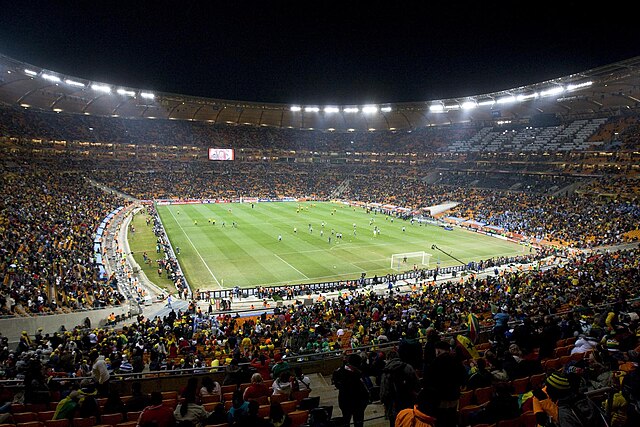
The 2026 World Cup comes to the United States this summer — and the fan experience is already a disaster before a single ball is kicked.
A new wave of outrage is hitting FIFA’s ticketing operation, this time over something more specific than just price. Buyers of Category 1 tickets — FIFA’s top public tier — say the governing body sold them premium seats using stadium maps that were later changed, with many buyers discovering their assigned seats were in corners, behind goals, or sections that had previously been shown as lower categories. Some of the most coveted lower sideline inventory appears to have been unavailable to ordinary Category 1 buyers at all — despite maps suggesting otherwise.
That’s a different allegation than the pricing fight, and a more damaging one. Price complaints are about value. This is about product integrity.
The broader pricing context makes it worse. When FIFA first released ticket pricing in December, Football Supporters Europe described it as “a monumental betrayal of the tradition of the World Cup.” The cheapest group stage tickets came in at $140, while final seats started at $4,185 and topped out at $8,680. In Qatar in 2022, the comparable range was roughly $70 to $1,600. The last time the U.S. hosted the World Cup, in 1994, the most expensive seat was $475.
FIFA responded to the December backlash by introducing a $60 “Supporter Entry Tier” — but only 10% of national association allocations were set at that price, equating to a few hundred tickets per game. Fan groups called it an appeasement tactic. FSE and European consumer group Euroconsumers subsequently filed a formal complaint with the European Commission, accusing FIFA of holding a monopoly over ticket sales and imposing conditions “that would never be acceptable in a competitive market.”
FIFA also takes a 30% cut from every resale on its official platform — meaning even secondary market sales are generating direct revenue for the governing body.
The tournament runs June 11 to July 19 across the U.S., Canada, and Mexico. FIFA president Gianni Infantino said in January that demand was the equivalent of “1,000 years of World Cups at once” and that all 104 matches would be sold out. That may be true. But what’s also true is that the fans most dedicated to following their national teams — the ones who bought early, applied through national federation ballots, and paid premium prices — are now receiving seat assignments that don’t match what they thought they purchased.
Some affected fans are considering legal action. FIFA’s ticket terms, however, reserve the right to change seat locations as long as the final seat is in the “same category or comparable.” That clause is doing a lot of work right now.