Lifestyle
7 Things Your Doctor Wants You to Know About Sleep
By Erica Coleman · May 24, 2026
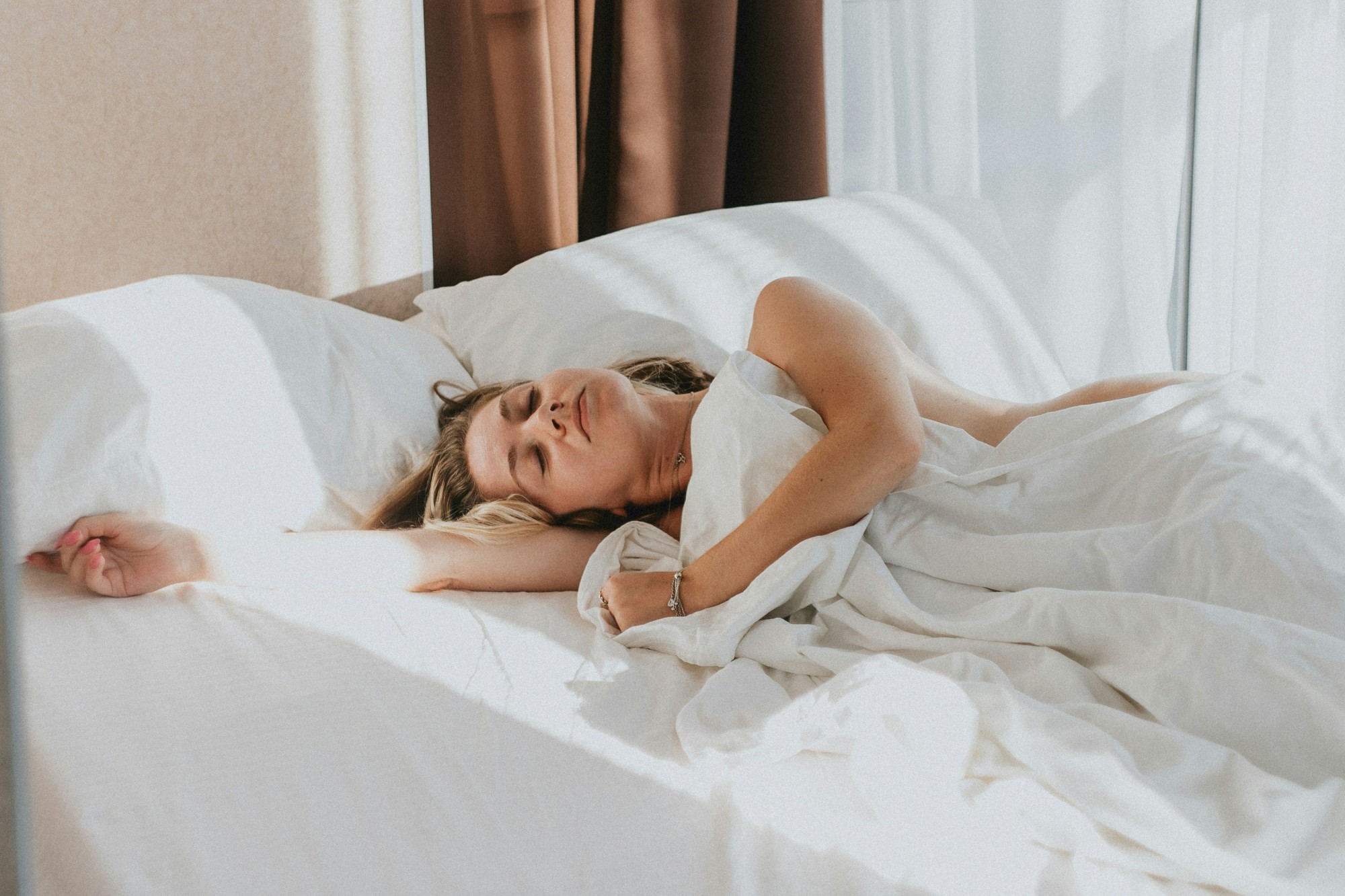
Sleep affects every system in your body — and most people are managing it based on habits and assumptions that physicians say are wrong. Here’s what sleep medicine doctors actually want their patients to understand.
1. You cannot catch up on lost sleep
Sleep debt is real, but weekend recovery sleep doesn’t fully restore what you lost during the week. Research shows that while longer sleep on weekends reduces subjective sleepiness, cognitive performance deficits from sleep restriction persist even after recovery sleep. Consistent nightly sleep is the only effective strategy. Weekend sleep marathons are better than nothing but not a substitute.
2. Seven to nine hours is a range, not a goal
The American Academy of Sleep Medicine recommends 7 to 9 hours for adults — but the more important measure is how you feel. Dr. Charlene Gamaldo of Johns Hopkins Medicine notes that if you are getting 7 to 8 hours and still feel consistently sleepy during the day, something else is happening and you should discuss it with your doctor. Persistent daytime sleepiness despite adequate sleep is often a sign of undiagnosed sleep apnea.
3. Alcohol disrupts sleep architecture
Alcohol helps many people fall asleep faster — which is why it seems helpful. But it fragments sleep in the second half of the night, suppresses REM sleep, and increases nighttime awakenings. Sleep physicians consistently cite alcohol as one of the most common preventable causes of poor sleep quality they see, particularly in patients who report “sleeping fine” while drinking but feeling unrested. The effect occurs even with one or two drinks within three to four hours of bedtime.
4. Your bedroom temperature matters more than you think
Most sleep medicine physicians recommend a bedroom temperature between 60 and 67 degrees Fahrenheit as optimal for sleep quality, citing the body’s need to drop its core temperature slightly to initiate and maintain sleep. A room that is too warm increases wakefulness and reduces slow-wave sleep. This is one of the cheapest and most effective sleep improvements available — and one of the least frequently discussed.
5. Screens are not the main problem — timing is
The advice to avoid screens before bed has been so widely repeated that most people assume any screen exposure is harmful. The more precise finding from sleep research is that bright light — particularly blue-wavelength light — signals the brain to suppress melatonin production. Sleep specialists recommend avoiding bright overhead lights and screens within one to two hours of your intended sleep time, not eliminating them from your evening entirely. Dimming your environment and using night mode on devices is sufficient for most people.
6. Napping after 3 PM hurts nighttime sleep
Dr. Charlene Gamaldo of Johns Hopkins recommends avoiding naps later than 4 PM because late naps reduce sleep pressure — the biological drive to sleep that builds across the day — and make it harder to fall asleep at a normal hour. Short naps of 20 to 30 minutes before early afternoon can be beneficial; longer or later naps almost always cost you more sleep than they provide.
7. Caffeine’s half-life is longer than most people realize
Caffeine has a half-life of approximately five to seven hours in most adults. A 200mg cup of coffee at 2 PM means 100mg of caffeine is still active in your system at 7 to 9 PM. Sleep physicians recommend cutting off caffeine by noon for people experiencing difficulty sleeping, and by 2 PM at the latest for everyone else. Sensitivity to caffeine also increases with age — a habit that worked at 30 may be disrupting sleep significantly by 50.