Lifestyle
7 Facts About the Declaration of Independence Most Americans Don’t Know
By Erica Coleman · July 2, 2026
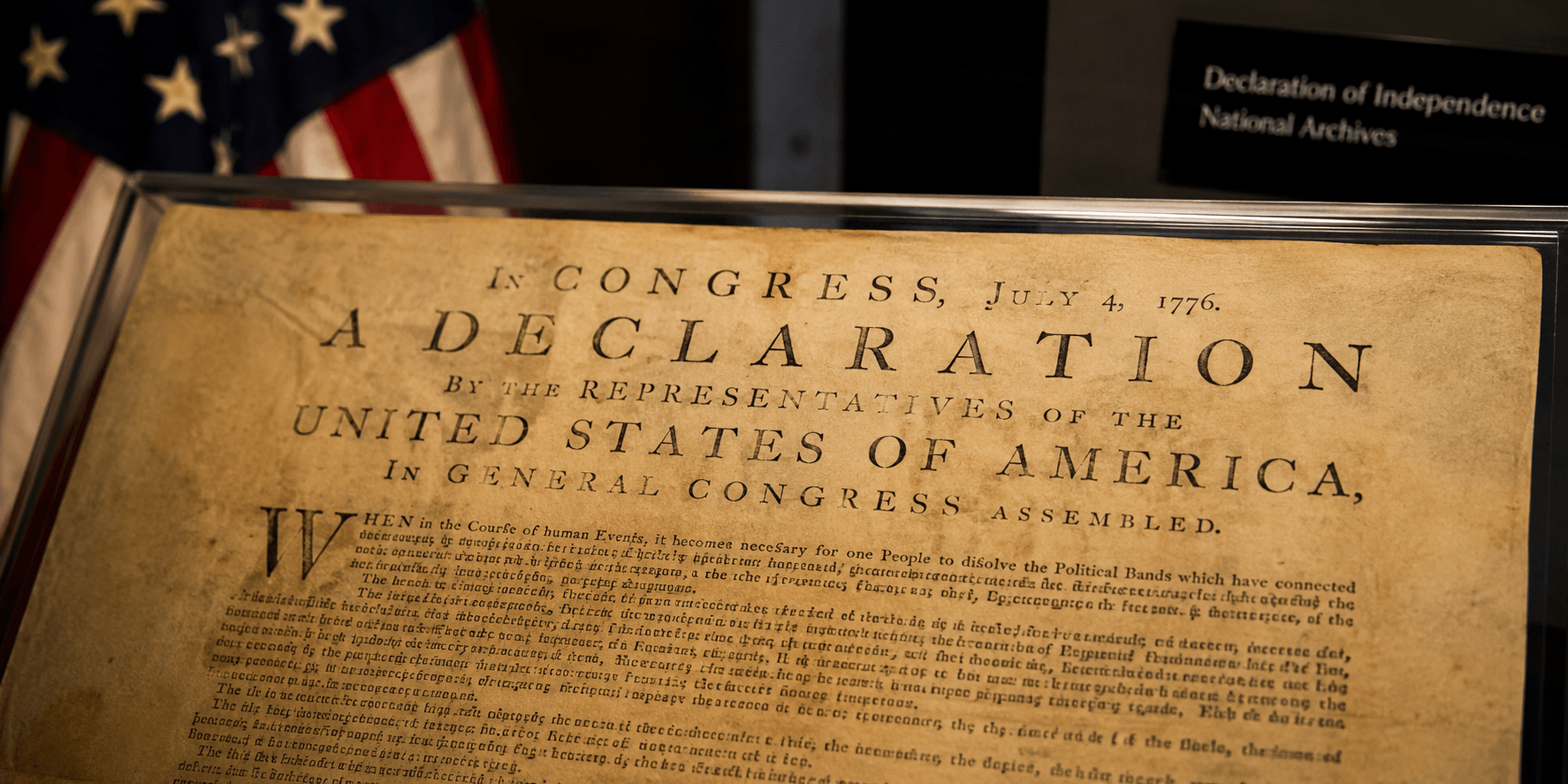
The Declaration of Independence was adopted on July 4, 1776. That sentence is about the extent of what most Americans remember from school. The document itself — and the circumstances of its creation — contains details that are far more interesting than the date.
1. It wasn’t signed on July 4th
Congress voted to declare independence on July 2, 1776 — which is the date John Adams believed would be celebrated as the nation’s birthday. The Declaration was formally adopted on July 4, but most delegates didn’t sign the engrossed parchment copy until August 2. Some signed even later. The last known signature was added in January 1777.
2. The original draft condemned slavery — and Congress deleted it
Thomas Jefferson’s original draft included a lengthy passage condemning King George III for perpetuating the slave trade. The passage called slavery an “assemblage of horrors” and a “cruel war against human nature itself.” Delegates from South Carolina and Georgia objected. Northern delegates who profited from the slave trade didn’t push back. The passage was removed entirely. The contradiction between “all men are created equal” and the reality of American slavery was embedded in the document from its first edit.
3. Only two people signed it on July 4th
John Hancock, as president of the Continental Congress, and Charles Thomson, as secretary, were the only two to sign on the actual date of adoption. The other 54 signers added their names over the following weeks and months. The dramatic image of all 56 men signing together in a room on July 4th is a myth — popularized by John Trumbull’s famous painting, which was itself completed 42 years after the event.
4. The youngest signer was 26 and the oldest was 70
Edward Rutledge of South Carolina was 26 when he signed. Benjamin Franklin was 70 — and reportedly said at the signing: “We must, indeed, all hang together, or most assuredly we shall all hang separately.” The average age of the signers was 44. More than a dozen were under 35.
5. One signer recanted
Richard Stockton of New Jersey was captured by the British in November 1776, imprisoned, and reportedly subjected to harsh treatment. He signed an oath of allegiance to King George III in exchange for his release — the only signer known to have recanted his signature. He was later released, returned home ill, and died in 1781 at age 50.
6. The original document is fading and nearly illegible
The parchment Declaration on display at the National Archives in Washington is protected behind bulletproof glass with controlled lighting and argon gas to slow deterioration. Despite these precautions, the text has faded significantly since 1776 — largely because it was rolled and unrolled repeatedly for public display during the 19th century and was hung on a wall opposite a window for 35 years. The signatures are now more visible than the body text.
7. There is writing on the back
The back of the Declaration contains a single line written upside down: “Original Declaration of Independence, dated 4th July 1776.” It was added as a label — probably so the document could be identified when rolled up. There is no treasure map. Nicolas Cage lied.