Lifestyle
5 Grilling Mistakes That Ruin Your Food Every Summer
By Erica Coleman · July 2, 2026
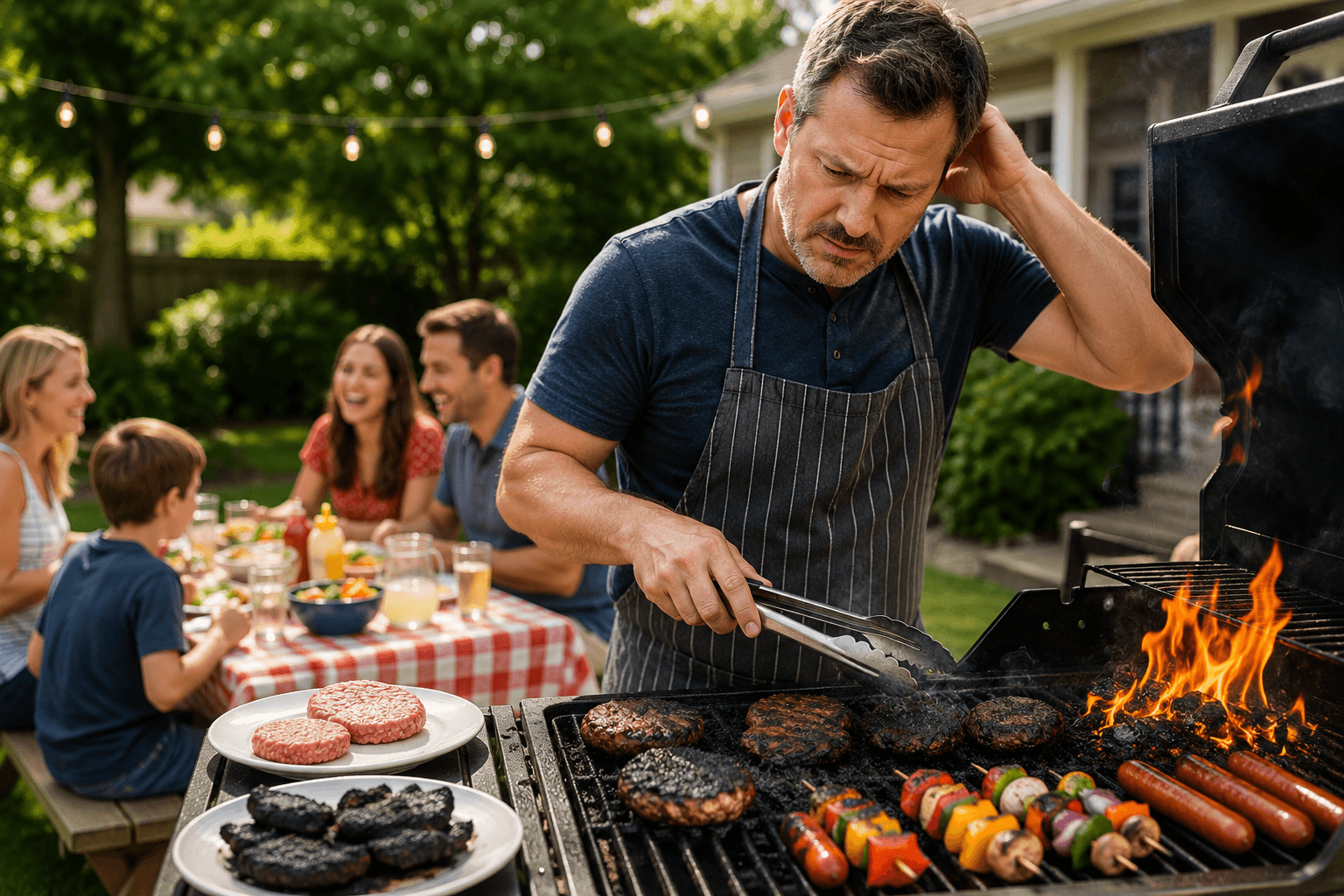
The USDA estimates that 75% of American households own a grill or smoker. A significant percentage of those households are making at least one mistake that produces food that is either overcooked, undercooked, or tastes like lighter fluid. Here are the five most common errors and how to fix each one.
1. Not preheating the grill
A cold or lukewarm grill causes food to stick to the grates, prevents proper searing, and extends cooking time. Gas grills need 10 to 15 minutes with all burners on high before food goes on. Charcoal grills need 20 to 30 minutes — until the coals are covered in gray ash and glowing red. If you’re placing food on a grill that hasn’t reached full temperature, you’re steaming rather than searing.
2. Using lighter fluid on charcoal
Lighter fluid is the fastest way to start a charcoal grill and the fastest way to ruin your food. The petroleum-based chemicals don’t fully burn off — they absorb into the porous charcoal and transfer directly to your food, producing a chemical aftertaste that no amount of seasoning can hide. Use a charcoal chimney starter instead. It takes 15 to 20 minutes longer but produces clean, even heat with zero chemical residue.
3. Pressing burgers with a spatula
The urge to press a spatula down on a burger patty is almost universal — and universally destructive. Pressing squeezes out the juices that keep the meat moist and flavorful. Those juices hit the coals, create flare-ups that char the exterior, and leave you with a dry, rubbery puck. Put the burger on the grill and leave it alone until it’s time to flip. One flip. No pressing.
4. Not using a meat thermometer
The USDA’s safe minimum internal temperatures are specific: 165°F for all poultry, 160°F for ground meats, 145°F for whole cuts of beef, pork, and lamb. Guessing by color, firmness, or time alone is how chicken stays pink inside and steaks get overcooked. A digital instant-read thermometer costs $10 to $15 and eliminates the guesswork entirely. Insert it into the thickest part of the meat, away from bone.
5. Using the same plate for raw and cooked meat
Cross-contamination is the leading cause of foodborne illness at cookouts. The plate you used to carry raw chicken to the grill still has raw chicken juice on it. If you put the cooked chicken back on that same plate, you’ve just reintroduced the bacteria you spent 20 minutes cooking out. Use a clean plate for cooked food. Use clean tongs. It takes five seconds and prevents the kind of July 4th weekend that ends at urgent care.
One bonus rule: after cooking, refrigerate or freeze leftovers within two hours — or within one hour if the outdoor temperature is above 90°F. Bacteria multiply fastest between 40°F and 140°F. Your potato salad sitting in the sun for three hours is not getting better.