Lifestyle
5 Home Repairs You Should Never DIY
By Curtis Jones · July 6, 2026
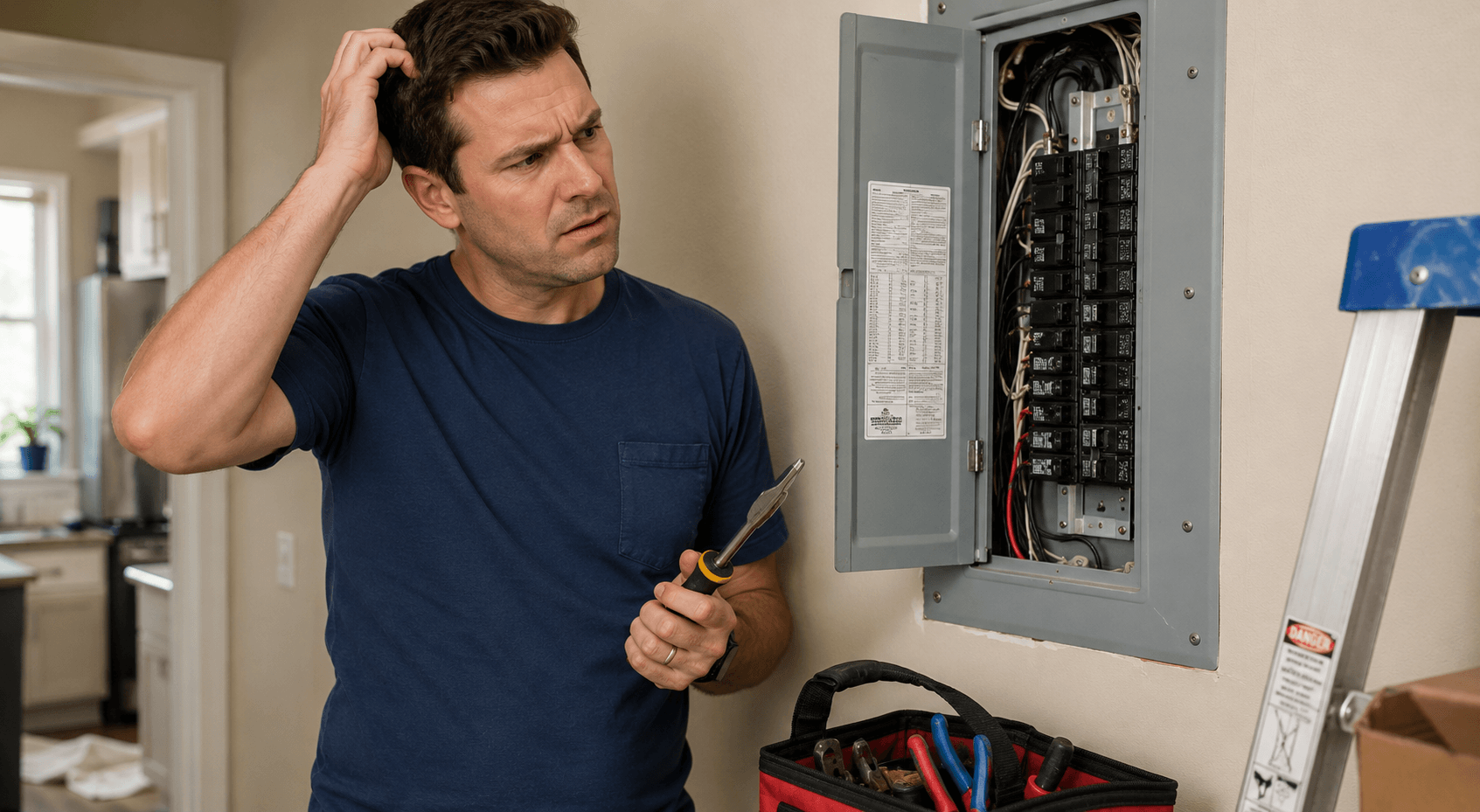
YouTube makes everything look possible. In practice, five categories of home repair consistently produce worse outcomes — and higher total costs — when homeowners attempt them without professional training.
1. Electrical panel work
Anything involving the main electrical panel — adding circuits, replacing breakers, upgrading the panel — should be done by a licensed electrician. The panel carries the full current load of your home. Improper wiring causes house fires. Incorrect breaker sizing causes house fires. Working inside a live panel without proper training can kill you. A licensed electrician charges $200 to $500 for panel work that a DIY mistake can turn into a $50,000 insurance claim — or worse.
2. Gas line work
Gas leaks cause explosions. Full stop. Any work involving gas lines — extending a line for a new appliance, replacing a gas valve, connecting a gas dryer or range — requires a licensed plumber or gas fitter in most jurisdictions. Even a small leak at a poorly tightened connection can fill an enclosed space with natural gas. The repair costs $150 to $400. The consequences of a bad connection are catastrophic.
3. Structural wall removal
Not every wall is load-bearing, but the ones that are hold your house up. Removing a load-bearing wall without proper engineering — headers, temporary support, and engineered beams — can cause sagging floors, cracked ceilings, and in extreme cases structural collapse. A structural engineer’s assessment costs $300 to $700. The cost of fixing an improperly removed load-bearing wall starts at $10,000.
4. Roof work beyond minor repairs
Replacing a few shingles is within most homeowners’ capability. Anything beyond that — re-roofing a section, repairing flashing around chimneys or vents, addressing decking damage — involves fall risk, material knowledge, and waterproofing technique that professionals train for years to master. A DIY roof repair that doesn’t properly seal produces a leak that causes water damage, mold, and structural decay inside the walls — damage that is invisible until it becomes expensive.
5. Major plumbing involving the main line or sewer
Fixing a leaky faucet is DIY-friendly. Replacing a toilet is DIY-friendly with a tutorial. But any work involving the main water supply line, the sewer lateral, or the drain-waste-vent system should be done by a licensed plumber. Improper connections cause leaks inside walls. Incorrect venting causes sewer gas to enter the home. A botched sewer line repair can contaminate your yard and your neighbor’s. The complexity is hidden — the pipe you can see is connected to a system you can’t.
The rule of thumb: if the repair involves electricity, gas, structural load, height, or the main water/sewer system, hire a professional. The cost of a pro is the cost of doing it right. The cost of a DIY failure is the cost of doing it twice — plus the damage the first attempt caused.