Lifestyle
5 Fourth of July Traditions That Are Disappearing
By Erica Coleman · July 3, 2026
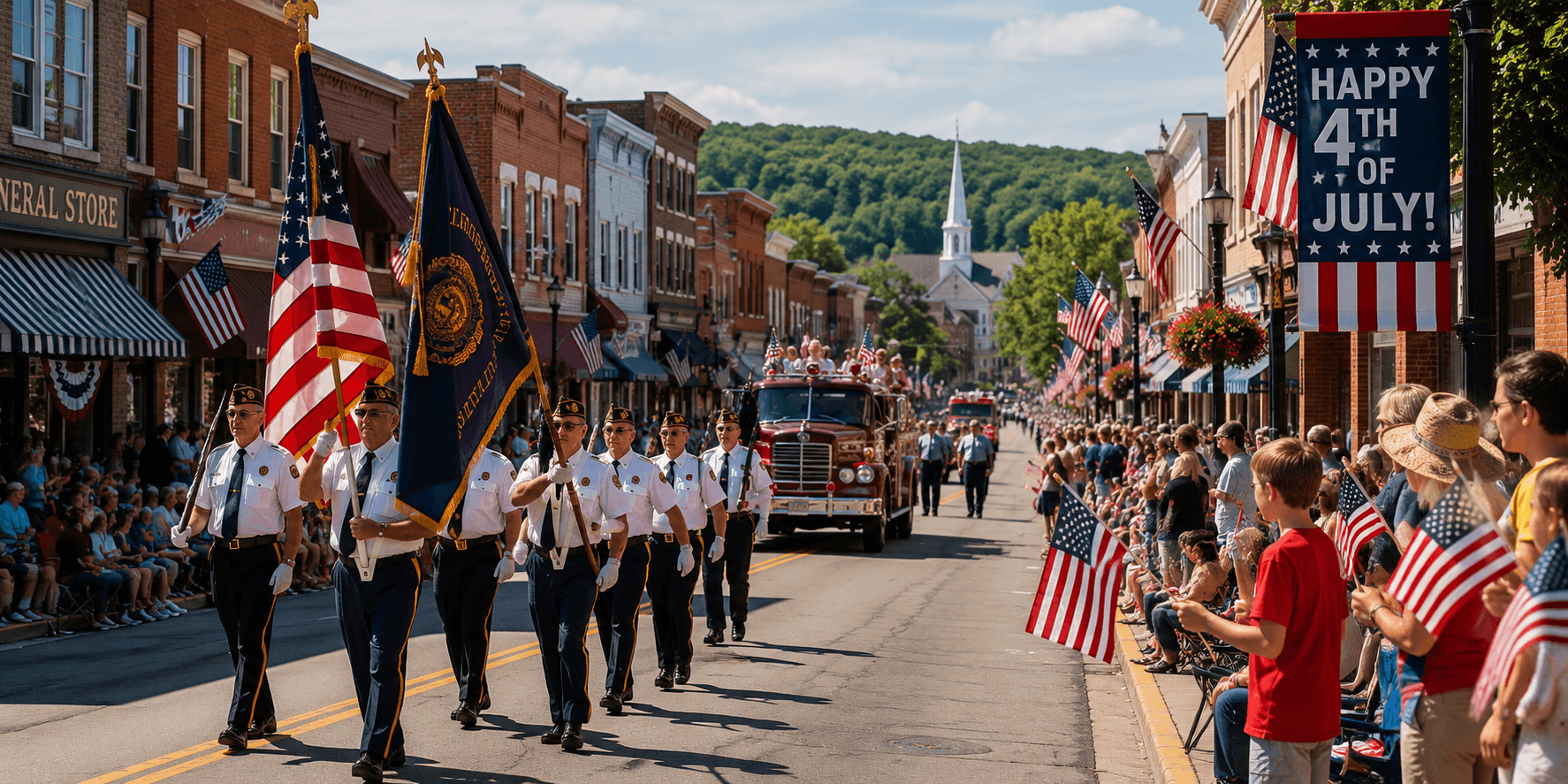
The Fourth of July used to look the same everywhere — parades, cookouts, community fireworks, flags on every porch. It still looks that way in some places. But several traditions that defined the holiday for decades are fading, and the reasons say as much about how America has changed as any poll or statistic.
1. The hometown parade
Small-town Fourth of July parades — with fire trucks, marching bands, local veterans, and politicians waving from convertibles — were once universal. Many communities have scaled back or eliminated them due to volunteer shortages, rising insurance costs, and difficulty closing streets in towns that have grown since the parades began. The parades that survive tend to be in towns small enough that shutting down Main Street for an hour doesn’t disrupt much.
2. The community fireworks show
Professional fireworks displays cost $15,000 to $50,000 for a mid-size town and require permits, insurance, and certified pyrotechnicians. Rising costs and liability concerns have pushed many municipalities to cancel their shows — a trend that accelerated during the pandemic and never fully reversed. Some communities have replaced fireworks with drone light shows, which cost roughly the same but eliminate the fire risk. The drone shows are impressive. They are not fireworks.
3. Reading the Declaration of Independence aloud
For most of American history, the Fourth of July included a public reading of the Declaration of Independence — often by a local dignitary or at a church service. The tradition dates to the 1770s and continued in many communities through the 20th century. It has largely disappeared outside of historical sites and reenactment events. A 2023 survey found that only 36% of Americans have read the full text of the Declaration.
4. The all-day family cookout
The multi-generational, all-day backyard gathering — grandparents, cousins, neighbors, potato salad on a folding table, kids running through the sprinkler — has been replaced in many families by shorter, smaller events. Families are more geographically dispersed. Travel costs make holiday visits less frequent. The cookout still happens, but it’s increasingly a nuclear-family affair rather than the extended-family marathon it once was.
5. Setting off your own fireworks
Consumer firework sales have actually increased — Americans spent $2.3 billion on consumer fireworks in 2024. But the tradition of setting them off in your own yard or street has been restricted by an expanding patchwork of local bans, HOA rules, and fire-risk regulations. In many suburban communities where backyard fireworks were once standard, they’re now prohibited or subject to fines. The result is a holiday that is louder in some places and quieter in others than it used to be.
The Fourth hasn’t gone away. It’s evolved. Whether the evolution feels like progress or loss depends largely on which traditions meant the most to you.