Lifestyle
Waking Up Several Times a Night to Urinate Can Signal an Enlarged Prostate. Other Signs Men Over 50 Notice
By Mike Harper · October 30, 2026
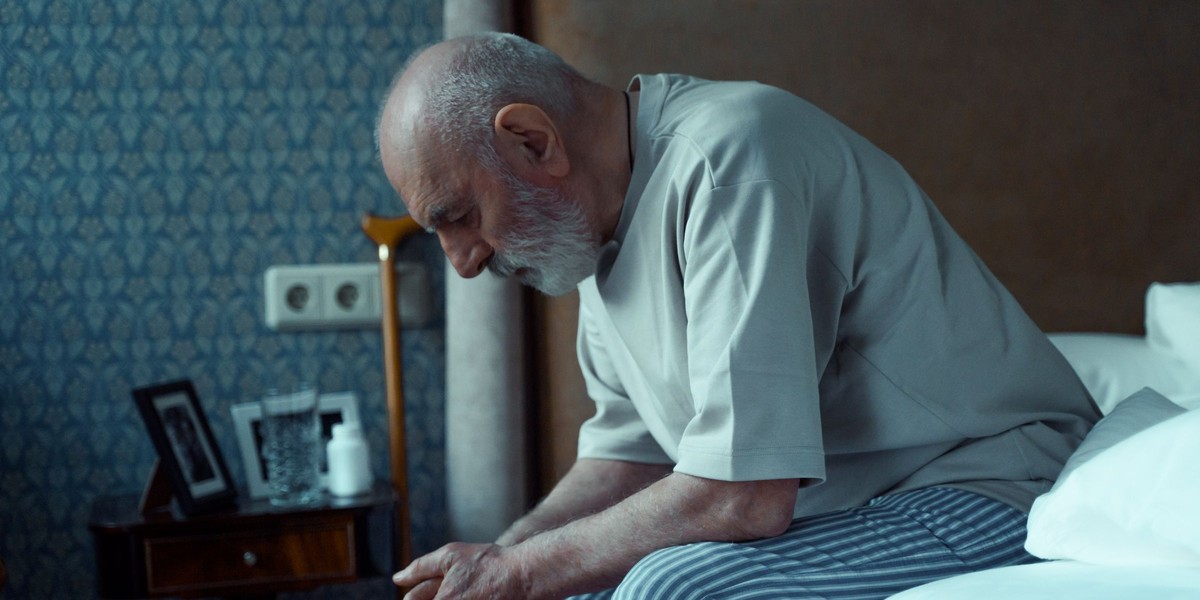
Many men assume that trips to the bathroom at 2 a.m. and again at 4 a.m. simply come with age. Often the cause is a prostate gland that has grown larger, a condition that Mayo Clinic says becomes more common with age.
The condition is benign prostatic hyperplasia, or BPH. The National Institute of Diabetes and Digestive and Kidney Diseases describes it as a condition in which the prostate gland grows larger than normal, but the growth is not caused by cancer. The institute says BPH is the most common prostate problem in men older than 50, and experts estimate it affects 29% to 33% of men 65 and older.
MedlinePlus, from the National Library of Medicine, says more than 90% of men over age 80 have the condition and that it has been said all men will have an enlarged prostate if they live long enough. The prostate sits just below the bladder and surrounds the urethra, the tube that carries urine out of the body. As it grows, the NIDDK explains, it squeezes the urethra and the bladder has to work harder.
These are the signs listed by the NIDDK, Mayo Clinic and MedlinePlus.
Getting up at night to urinate. Mayo Clinic lists peeing more often at night among the common symptoms. MedlinePlus describes needing to urinate two or more times per night.
Needing to go often or urgently. The NIDDK lists urinary frequency and urgency. MedlinePlus describes a strong and sudden urge to urinate.
Trouble getting started. Mayo Clinic and the NIDDK both list trouble starting a urine stream, and MedlinePlus adds straining to urinate.
A weak or stop-and-start stream. Mayo Clinic describes a weak stream, or one that stops and starts.
Dribbling at the end. All three sources list dribbling after urination.
Feeling the bladder never fully empties. The NIDDK and Mayo Clinic both list trouble emptying the bladder completely.
Symptoms vary widely. MedlinePlus says fewer than half of men with BPH have symptoms. Mayo Clinic notes that the size of the prostate doesn’t always determine how serious they are; some men with slightly enlarged glands have major symptoms while others with very large ones have minor problems. The NIDDK says some medicines can make symptoms worse, including over-the-counter cold and cough medicines such as decongestants or antihistamines, along with tranquilizers, antidepressants and diuretics.
An enlarged prostate is not cancer. MedlinePlus says it does not raise the risk for prostate cancer, and Mayo Clinic says it is not thought to. But Mayo Clinic lists other problems that can cause similar urinary symptoms, including urinary tract infections, bladder or kidney stones, and cancer of the prostate or bladder, which is one reason it advises men to talk to a provider about symptoms even if they aren’t bothersome.
Some signs need prompt attention. The NIDDK says to tell a health care professional right away if you cannot urinate at all; have painful, frequent and urgent urination along with fever and chills; have blood in your urine; or feel great discomfort or pain in the lower abdomen or urinary tract. Mayo Clinic says anyone who can’t pass any urine should get medical help right away.
Treatment depends on how much symptoms affect daily life. The NIDDK says options range from watchful waiting to medicines and surgery. Simple steps it suggests include drinking fewer liquids before bed and limiting alcohol and caffeine.
This article is for general information and is not medical advice. Talk with your doctor about any urinary symptoms, and get medical help right away if you cannot urinate. This article was produced with the assistance of AI and fact-checked against the sources cited by LightWave Reports.