Business
Trump Signed Two Beef Executive Orders Today. Ranchers Are Already Furious.
By Mike Harper · May 12, 2026
The average pound of ground beef at American grocery stores costs $6.70 today — up $1.15 since Trump returned to office in January 2025, and up 12.1% from just a year ago. Beef is now more than 16% more expensive than when he took office, and it is one of the only major grocery categories that has not come down.
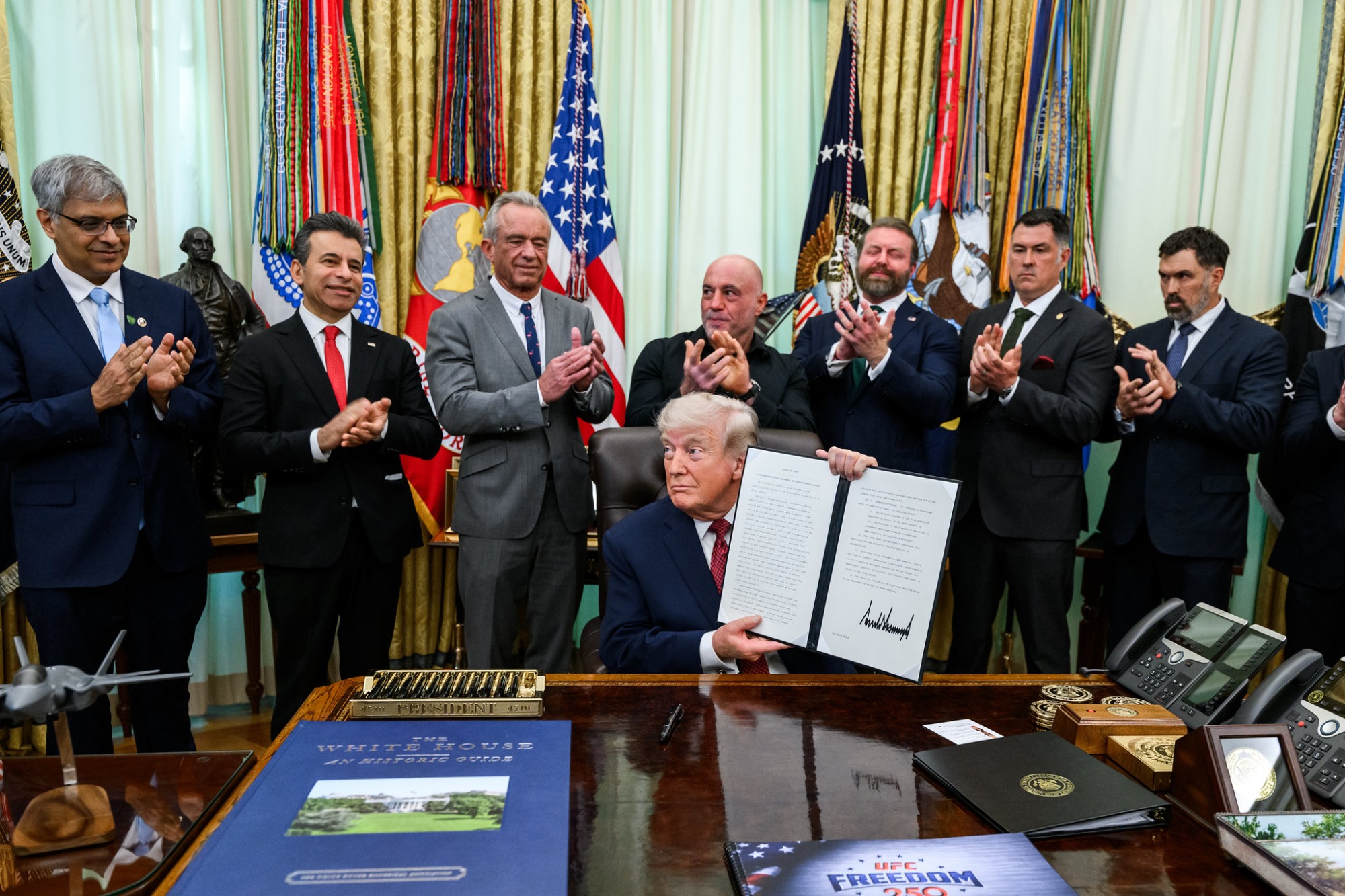
On Monday, Trump signed two executive orders attempting to change that. The first — a temporary suspension of the tariff-rate quota on imported beef — allows Brazil, Australia, Argentina, and other major exporters to ship larger volumes of beef into the United States at lower duty rates. The second directs the Small Business Administration to expand loans for domestic cattle ranchers and rolls back certain federal regulations, including Endangered Species Act protections for gray and Mexican wolves and USDA electronic ear-tag requirements for livestock.
The logic is straightforward. The US cattle herd has shrunk to its lowest level in 75 years — the result of drought, pandemic-era economics, and the slow generational math of rebuilding a herd that takes years to reconstitute. When domestic supply falls, prices rise. When tariffs make imports expensive, prices stay high even when foreign supply is available. Suspending the tariff quota allows more foreign beef to fill the gap while domestic ranchers rebuild.
The problem is that Trump has tried versions of this before. In October 2025, he waived tariff-rate quotas specifically on Argentine beef. In November, he removed a 40% punitive tariff on Brazilian beef. Beef prices continued to climb throughout both measures — up $1.15 per pound overall since the first Argentina action. Imports are already at record levels: the dollar value of US beef imports hit $13.75 billion in 2025, up nearly $2.5 billion from 2024, and 2026 is on pace to break that record again.
Cattle ranchers are the key political constituency Monday’s orders risk alienating. The same ranchers who benefit from Trump’s broader tariff agenda — which applies 50% duties on foreign beef under normal circumstances — are now watching him temporarily waive those protections to bring their prices down. The National Cattlemen’s Beef Association has consistently argued that the problem is not tariffs on imports but the domestic supply shortage — and that flooding the market with foreign beef could undercut American producers already operating at the smallest herd sizes since Harry Truman was president.
A White House official described the tariff suspension as a short-term solution to supply shortages while regulatory relief works over a longer timeline. Analysts say meaningful price relief at the grocery counter depends on rebuilding the domestic herd — a process that could take until 2028 even under favorable conditions.
For the average American family grilling this summer, the White House is promising faster relief than that. Whether Monday’s orders deliver it is a different question from whether they were signed.