World
Trump Said the Iran Ceasefire Is “Over” After Both Sides Launched Strikes Overnight
By Mike Harper · July 8, 2026
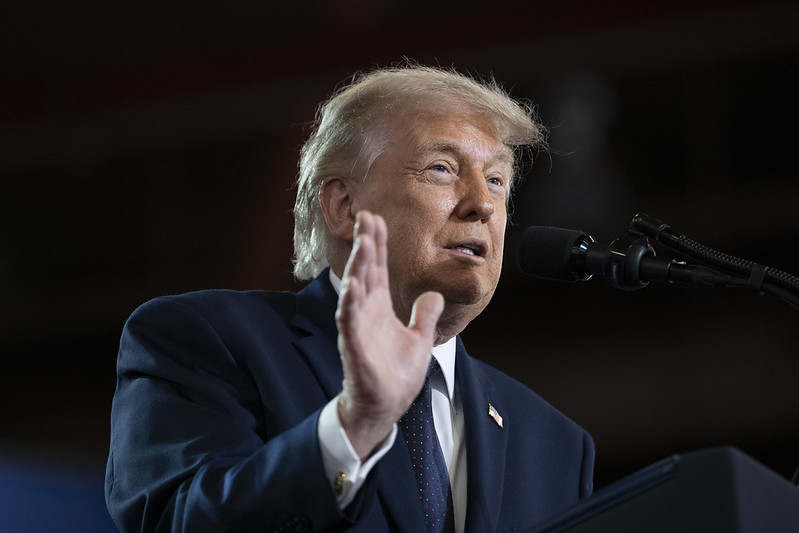
The deal is dead. The war is back.
Trump told reporters Wednesday morning that he considers the ceasefire and the memorandum of understanding with Iran “over” after an overnight exchange of strikes that was the most intense combat since the war’s early days in March. He said he would allow negotiators to continue talking but added it was “just a waste of time dealing with them.”
The sequence began Tuesday when Iran attacked three commercial tankers transiting the Strait of Hormuz — a Qatari LNG carrier, a Saudi supertanker, and a third vessel struck by a drone. The Qatari tanker caught fire in its engine room.
US Central Command responded with strikes on more than 80 targets across Iran — air defense systems, command and control networks, coastal radar sites, anti-ship missile batteries, and more than 60 small boats belonging to Iran’s Revolutionary Guard. The Treasury Department simultaneously revoked the sanctions waiver that had allowed Iranian oil sales under the MOU, effective immediately. Iran’s oil revenue — the economic incentive at the heart of the deal — was cut off in a single announcement.
Iran retaliated within hours. The IRGC said it launched missiles and drones at 85 US military facilities across Bahrain and Kuwait, targeting the US Fifth Fleet headquarters at Salman Port in Bahrain and Ali Al Salem Air Base in Kuwait. Kuwait’s military said its air defenses were responding to incoming threats and urged citizens to follow safety instructions.
Iran’s Parliament Speaker Mohammad Bagher Ghalibaf wrote on X: “The era of bullying and extortion is over. It leads nowhere. We don’t fold.”
The MOU was signed at Versailles 19 days ago. It was supposed to provide a 60-day window for nuclear negotiations. The window closed Tuesday night when Iranian forces attacked commercial shipping in the waterway the deal was designed to keep open.
Oil prices surged — Brent crude rose 2.5% to $73.83 per barrel, with WTI up a similar amount to $70. Treasury yields climbed. The economic relief that had begun when gas prices started falling after the June 14 ceasefire announcement is now reversing.
The war cost $100 billion in its first 107 days. It is now back. Gas prices, which had begun declining toward $4.00, will rise again. The Strait of Hormuz, which had been partially reopened, is once again a combat zone. The nuclear talks that were supposed to begin in Switzerland are functionally impossible while both sides are firing missiles at each other.
Trump said Saturday was possible for a deal. That was three days ago. Today he said it’s over.