Politics
The Medications 90% of Americans Take Could Face 200% Tariffs Starting in 2029
By Mike Harper · July 22, 2026
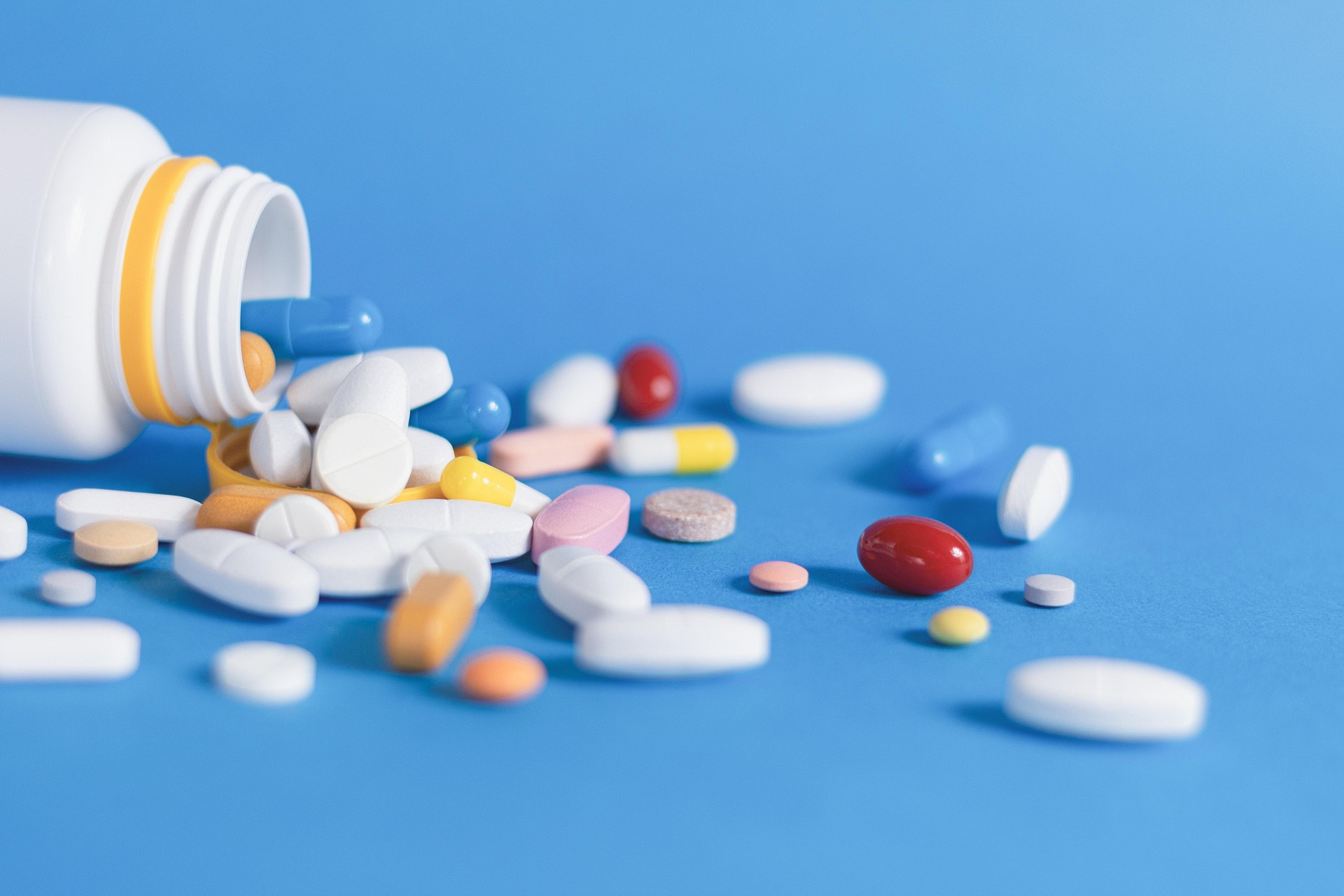
The prescription drug you picked up yesterday cost what it cost. Two years from now, that may no longer be true.
President Trump announced Tuesday that imported generic drugs will remain tariff-free through August 2028 — a two-year grace period designed to give pharmaceutical manufacturers time to relocate production to the United States. After that window closes, the tariff rate climbs to 100% for one year and then to 200% indefinitely.
“This is done in order to RESHORE Generic Pharmaceutical Production into America, with a penalty to those Companies that decide not to build Plant and Equipment within the stated period of time given to them.” Trump wrote in a post on Truth Social.
The stakes for American households are enormous. Generic drugs account for nearly 90% of all prescriptions dispensed in the United States, and the vast majority are manufactured overseas — primarily in India and China. Blood pressure medications, diabetes drugs, cholesterol treatments, antibiotics, antidepressants, seizure medications, HIV drugs: almost all of these are generics, and almost all of them are imported. A 200% tariff on the active ingredients or finished products would fundamentally change what those medications cost at the pharmacy counter.
The two-year grace period is the headline, but analysts are already skeptical it’s enough time to meaningfully reshore drug manufacturing. CNBC reported that building pharmaceutical production facilities in the United States is complex, costly, and dependent on raw materials and active pharmaceutical ingredients that would still come from abroad even after domestic manufacturing is established — meaning a 200% tariff on finished generics might simply move where the bottle is assembled without changing where the actual chemistry happens.
“I am not sure that even a potential 200% tariff will change the fundamental math.” said David Elms, a pharmaceutical supply chain expert.
The announcement extends Trump’s earlier pharmaceutical tariff policy, which imposed a 100% levy on branded and patented drugs in April while exempting generics. That exemption now has an expiration date. Branded drug tariffs remain unchanged.
What’s also unclear is whether drug companies that begin building US plants during the two-year window will qualify for a permanent exemption, or whether production simply needs to start before the higher duties take effect. The administration’s announcement left those details unresolved, which means the companies most affected — Indian pharmaceutical manufacturers that derive a substantial share of their revenue from the US market — are making investment decisions against an uncertain policy backdrop.
For patients, the immediate impact is nothing. For now, prices stay where they are. What Tuesday’s announcement actually did was plant a specific date — August 2028 — on a question every American who takes a daily prescription medication will eventually have to answer: what happens to the cost of this drug when the tariff kicks in?
That clock is now running.