Sports
The Highest-Paid College Athlete Makes $6.5 Million a Year
By Curtis Jones · July 16, 2026
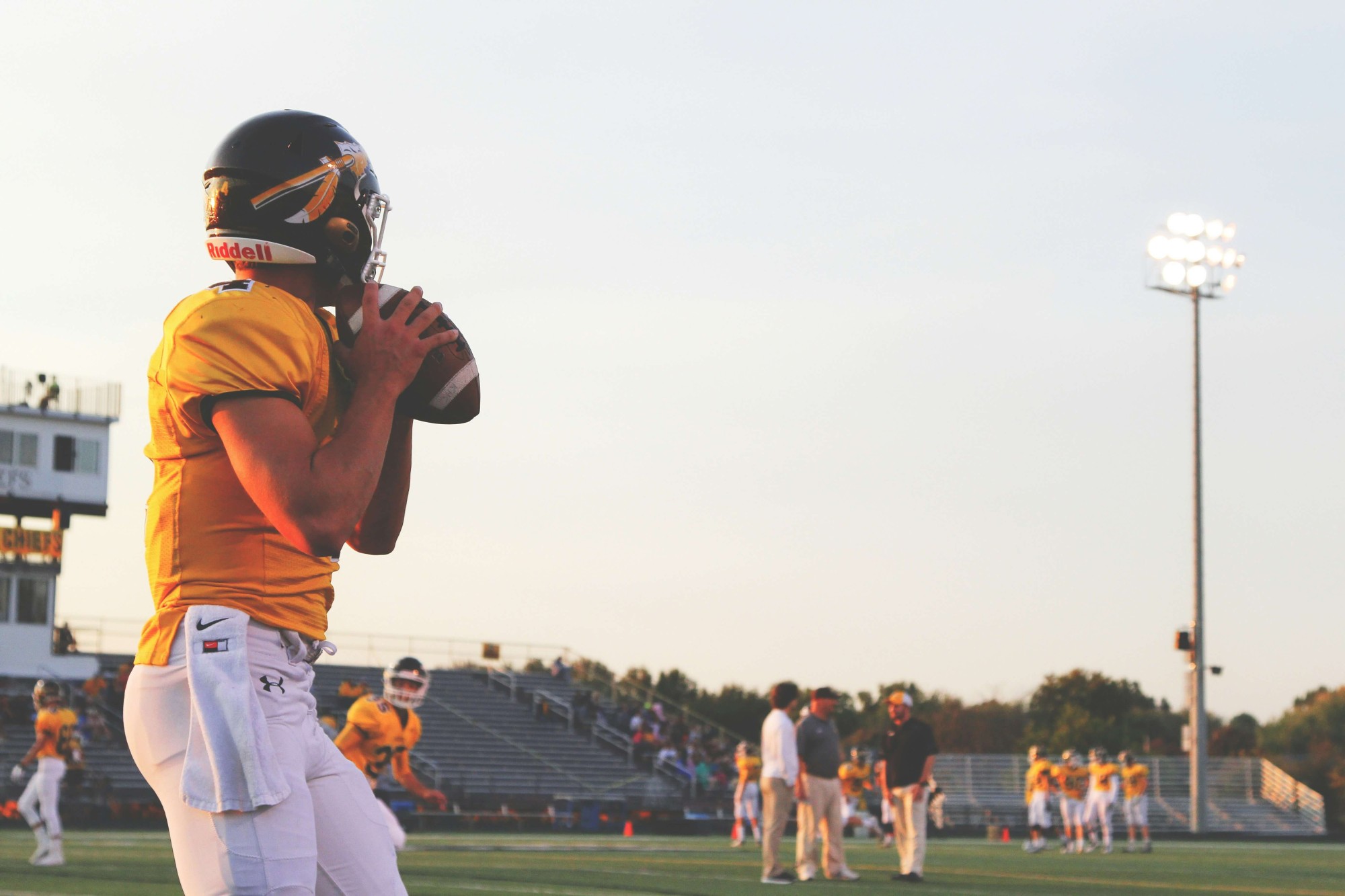
In 2020, a college athlete who accepted a free meal from a booster could lose their eligibility. Today, the highest-paid one is making $6.5 million a year.
That’s not a typo, and it didn’t happen slowly. It happened in five years — faster than most fans have been able to absorb. The NCAA changed its rules in 2021 to allow college athletes to profit from their name, image and likeness, and what followed was less a gradual evolution than a complete overhaul of how college sports works. The term for it is NIL — Name, Image and Likeness — and according to ESPN, the biggest stars have cashed in at a scale that would have seemed like science fiction to anyone who played college sports before 2021.
Here’s what the top of that market looks like right now.
Darian Mensah, QB, Miami — $6.5 million. The highest-paid college athlete in any sport is a quarterback who transferred from Duke to Miami this past January. Mensah led the ACC last season with 3,973 passing yards and 34 touchdowns. Miami paid a premium to land him — and paid again to settle a contract dispute from his exit from Duke. He is, by current valuation, the highest-paid player in his sport. Not in college football. In football, period — ahead of several NFL starters.
Milan Momcilovic, PF, Kentucky — $6 million. A basketball forward who was expected to enter the NBA Draft, then didn’t. Kentucky and Louisville got into a bidding war. Kentucky won. One college basketball player, $6 million.
Flory Bidunga, C, Louisville — $6 million. Louisville lost the Momcilovic battle and went out and signed the next best available big man anyway. The Cardinals assembled a roster worth an estimated $20 million. A college basketball roster.
Dante Moore, QB, Oregon — $5 million. Moore was projected as a potential first-round NFL Draft pick. He chose to return to Oregon for another college season instead. That decision came with a $5 million return package — more than the base salary on many NFL rookie contracts.
Jeremiah Smith, WR, Ohio State — $5 million. The highest-paid wide receiver in college football history. Smith told On3 this spring he had an offer exceeding $10 million to transfer elsewhere. He stayed at Ohio State. He is 20 years old.
The list goes on — five more players at $5 million each, including a freshman recruit at Kansas who hasn’t played a college game yet and is already the early favorite to be the first overall pick in the 2027 NBA Draft.
None of this money comes from the NCAA, which for decades argued it couldn’t pay athletes directly. It comes from school collectives — booster-funded organizations that pool money specifically to sign players — and from third-party brands. Arch Manning, the Texas quarterback, has deals with Red Bull, Uber, Warby Parker, and Google, among others. He reportedly earned more than $6 million in NIL last year — more than the base salary of Drake Maye, the starting quarterback of the New England Patriots on his rookie NFL contract.
Whether this is good, bad, or simply inevitable depends entirely on who you ask. The athletes are finally getting paid for the revenue they generate, which college sports reformers have argued for decades was long overdue. The schools are still not-for-profit institutions. The games are still called amateur athletics. And a 17-year-old high school junior can now receive a seven-figure offer before he sets foot on a college campus.
The free meal that once cost a player their eligibility is now the least interesting thing on the table.