Lifestyle
Retired at 62 and a Little Scared, Mike Wondered If He’d Be Bored. Then, Almost Nine Years Later: “I’m Not Bored”
By Erica Coleman · November 7, 2026
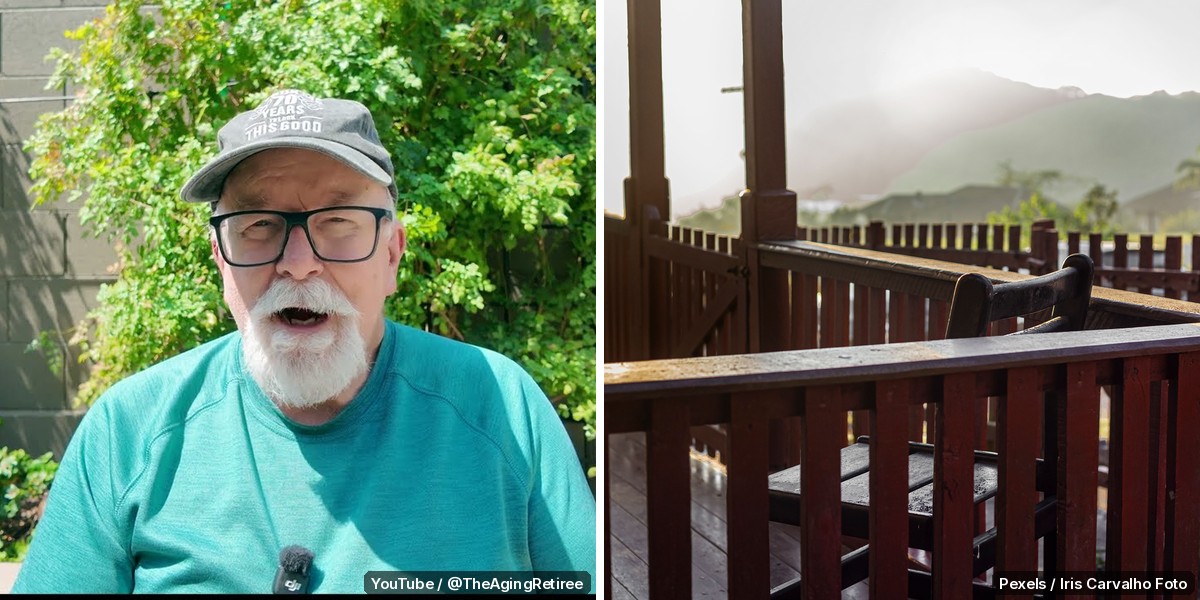
The last day of work is supposed to feel like a finish line. For Mike, it also felt like a step into the dark.
“I retired at 62,” he says at the start of a July video on his channel, The Aging Retiree (@TheAgingRetiree). “And here’s what it looks like at 71.” Then he introduces himself plainly: “Hi, my name is Mike.”
He does not pretend the start was easy. “When I retired at 62, there were parts of that day that were a little bit scary,” he says. He had plans and ideas, but he had never been retired before. He calls what he felt a little fear of the unknown. It was not crippling, he explains, but it was real.
He walks through the whole arc in his video on YouTube.
Some of his early worries were practical. He wondered whether the money that looked fine on paper would hold up in real life. He is clear that he does not give financial advice and keeps his own numbers private. He says his budget is tighter than when he worked, but that he has what he needs.
The bigger question was time. Before he left, he wondered how he would spend his days and whether he would need to find hobbies to fill them. That did not turn out to be the problem. In his telling, free time fills up fast once it belongs to you, even on days when you do very little.
“But at 71, it’s everything that I want it to be,” he says. He admits his retirement may not look the way he pictured it at 62. Near the end of the video he puts the answer to his old worry in three words: “I’m not bored.”
He describes quiet mornings, days that move slowly, and the occasional burst of energy when the grandkids visit. He says he does not really have hobbies, unless making videos counts. If his day has empty space, he lets it stay empty. He also says the longer he has been away from meetings and someone else’s schedule, the more he notices how much stress he used to carry.
Federal health researchers have written about the same ground. The National Institute on Aging says taking part in activities you enjoy can support healthy aging, and that being lonely or socially isolated is not good for your overall health. NIA notes that studies link happiness, life satisfaction, and a sense of purpose with living longer. It also suggests finding the right balance: start by adding one or two activities to your routine, see how you feel, and remember that activities you enjoy should be fun, not stressful.
If you are close to retiring and feel the same nerves Mike describes, a few questions may help:
What are you actually afraid of? Mike separated money worries from time worries. Naming each one made both easier to face.
What does a good ordinary day look like? His answer turned out to be a peaceful one, not a packed one.
Who will you see? NIA suggests time with family and friends, classes, volunteering, or groups built around a hobby as ways to stay connected.
His story is one person’s retirement, not a promise about anyone else’s. Still, for someone standing where he stood at 62, his message almost nine years later is simple. The fear was normal, and he says it faded.
This article is for general information and is not financial or legal advice. This article was produced with the assistance of AI and fact-checked against the sources cited by LightWave Reports.