Business
Iran War Pushed Inflation to 3.3% — Highest in Two Years
By CM Chaney · April 20, 2026
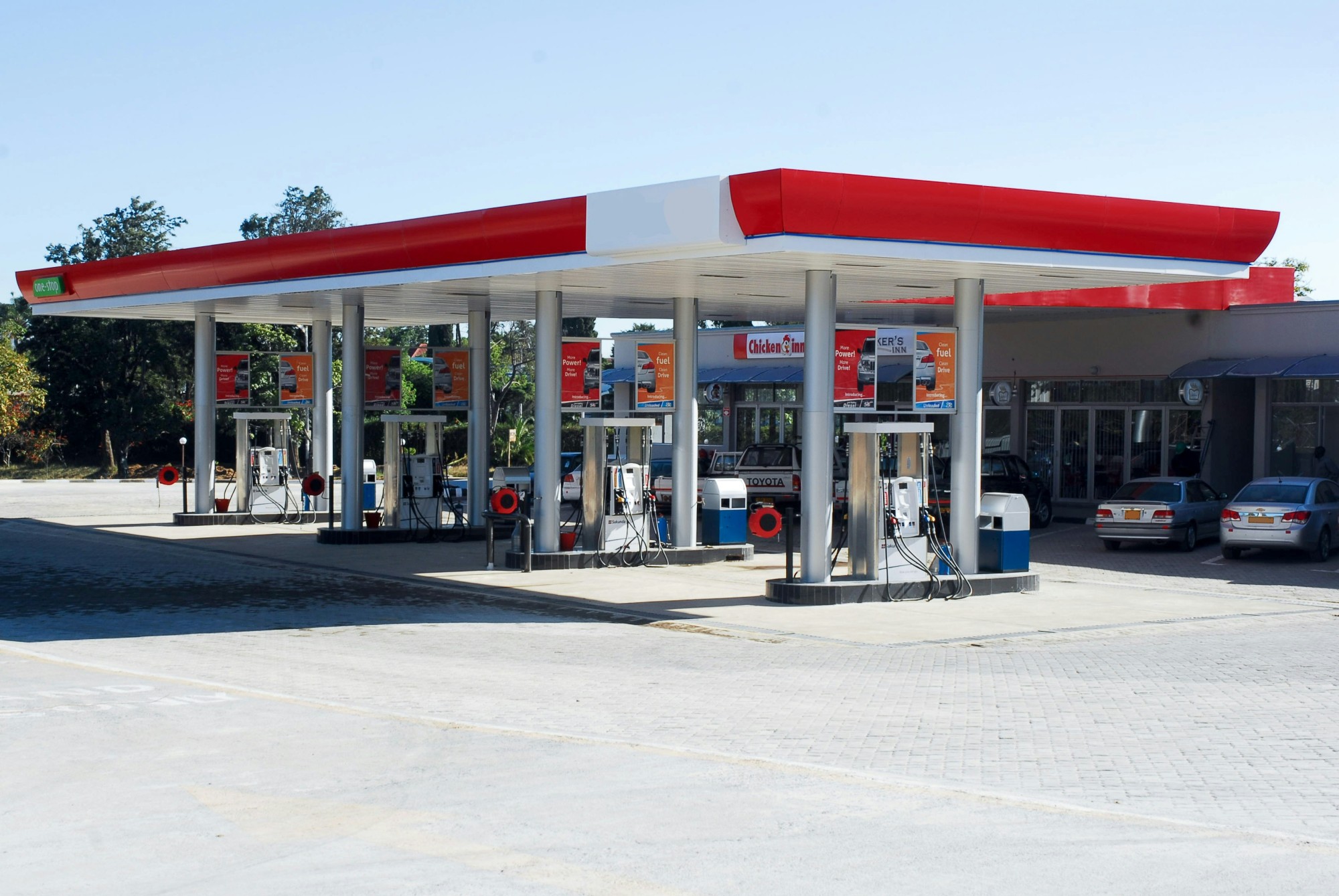
The price at the pump was the story. And the pump told the whole story of what a war does to an economy.
The Bureau of Labor Statistics released its March Consumer Price Index report April 10, showing inflation jumped to 3.3% year-over-year — the highest annual reading since May 2024, and a full percentage point above February’s 2.4%. The single biggest driver was energy: the energy index rose 10.9% for the month, led by a 21.2% spike in gasoline prices that alone accounted for nearly three-quarters of the entire monthly CPI increase.
Americans paid an average of $4.12 per gallon at the pump in mid-April — up from roughly $2.94 before the Iran war began February 28.
The context matters. The March CPI report was the first to capture a full month of the war’s economic impact. The U.S. and Israel launched strikes on Iran at the end of February, triggering Iran’s closure of the Strait of Hormuz — the chokepoint through which roughly one-fifth of global oil and gas exports typically flow. The disruption sent crude oil prices surging, with Brent briefly surpassing $110 a barrel in March before pulling back somewhat after a ceasefire was announced.
CNBC noted that core CPI — which strips out food and energy — rose just 0.2% for the month and 2.6% year-over-year, coming in below economist expectations. That distinction matters to the Federal Reserve. Policymakers have signaled they may look through the energy-driven headline spike, focusing instead on the more stable underlying inflation picture. The Fed is scheduled to meet April 28-29, and markets are pricing in virtually no chance of a rate cut this year.
Airline fares jumped 2.7% in March. Apparel climbed 1%. Real wages fell 0.6% for the month as prices outpaced earnings growth. Eggs continued their year-long collapse, down 44.7% annually. Food prices overall were flat month-over-month and up 2.7% year-over-year.
The bigger concern, as CBS News reported, is whether the energy spike feeds through to broader categories in coming months. Transportation costs are already rising as diesel prices climb. Shipping carriers have added fuel surcharges. Amazon levied a new logistics surcharge on third-party sellers in April. These downstream effects take time to show up in the data — meaning April’s CPI, due next month, may be even hotter.
Whether any of that materializes depends heavily on what happens with the Iran war. Sunday’s tanker seizure and Iran’s withdrawal from talks added fresh uncertainty to a situation economists had hoped was moving toward resolution.