Lifestyle
Dimes and Quarters Dated 1964 or Earlier Are 90% Silver. How to Spot Them in an Old Coin Jar
By Mike Harper · October 22, 2026
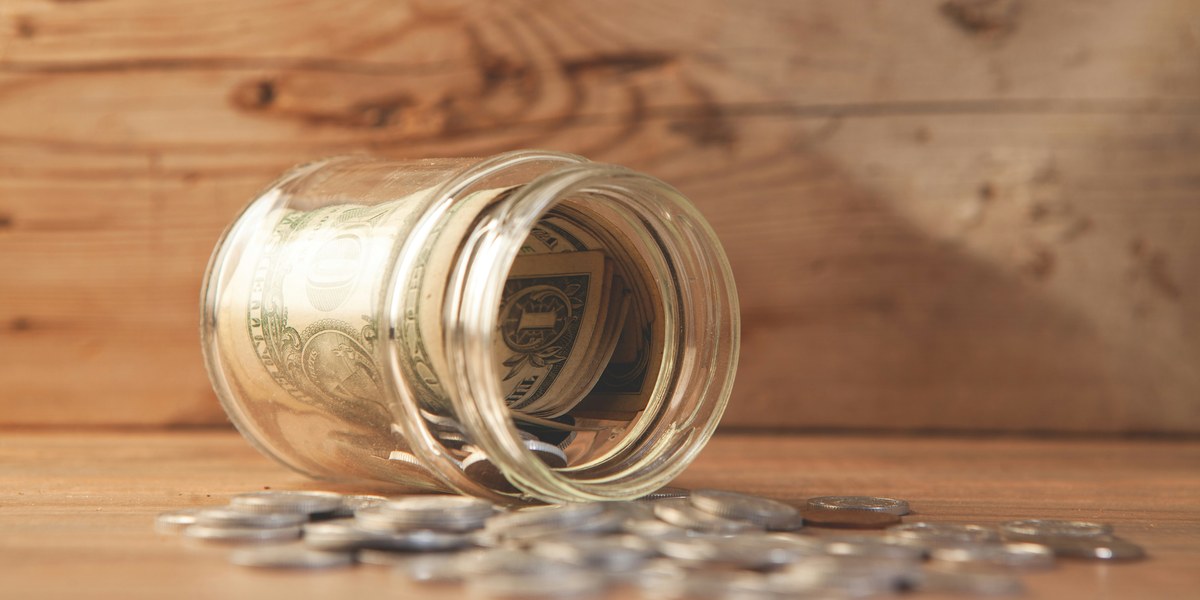
Most households have one: a jar, a coffee can or a dresser drawer where loose change has been piling up for decades. If that change goes back far enough, some of the dimes and quarters in it are made mostly of silver, and the date stamped on each coin tells you which ones.
The dividing line comes from a 1965 law. The Coinage Act of 1965, which became law on July 23, 1965, replaced the silver in new dimes and quarters with a three-layer “clad” coin: an outer alloy of 75 percent copper and 25 percent nickel bonded to a pure copper core. Until then, dimes, quarters and half dollars were struck from what the law calls 900 fine coin silver, meaning 90 percent silver. The U.S. Mint said at the time that the change was made necessary by a growing world silver shortage.
The date is a reliable test because the law tied it to the metal. It required any coins struck from 90 percent silver after the act took effect to carry the year 1964, and it barred the new clad coins from being dated earlier than 1965. So a 90 percent silver dime or quarter made in 1965 or even 1966 still says 1964. A column published by the coin grading firm NGC notes that 1964-dated quarters and half dollars were struck into 1966 during a nationwide coin shortage.
Here is how to sort a jar.
Check the date first. Any dime or quarter dated 1964 or earlier is a silver coin. Roosevelt dimes go back to 1946, the Mint says, and older dimes with the winged Liberty design, known as Mercury dimes, were made from 1916 to 1945.
Look at the edge. The U.S. Mint’s own coin guide for children says that on a modern quarter or dime, you can see the copper color peeking out along the edge, because the inside layer is copper. A silver coin has no copper stripe. NGC’s column notes that the copper edge on clad coins tones brown with wear, so look closely at older clad pieces.
Don’t skip the half dollars. Kennedy half dollars dated 1964 are 90 percent silver. Halves dated 1965 through 1970 are 40 percent silver, made with outer layers that are 80 percent silver, according to the Mint’s 1965 announcement, and the Mint says the 1970 half dollar was the last circulating coin to include silver.
Watch for 1965 oddities. Because silver and clad coins were being made at the same time, NGC reports that some 1965-dated dimes and quarters were accidentally struck on 90 percent silver blanks. A 1965 coin with no copper stripe on its edge is worth showing to a reputable dealer.
Weight can confirm a hunch. Today’s clad dime weighs 2.268 grams and today’s quarter 5.67 grams, according to Mint specifications. A small kitchen or jewelry scale won’t settle every case, but a coin that looks silver and weighs differently from those figures deserves a second look.
What the silver coins are worth depends on the day. Their value is tied mostly to the price of silver, which moves constantly, plus any collector premium for rare dates or very good condition. Before selling, check the current silver price and get more than one offer.
Even if you never sell them, sorting the old silver from the clad is a good project to share with grandchildren. Every coin tells them when it was made.
This article is for general information and is not financial or investment advice. Coin and silver prices change daily, so get a current quote from a reputable dealer before buying or selling. This article was produced with the assistance of AI and fact-checked against the sources cited by LightWave Reports.