Sports
Derby Winner Golden Tempo Is Skipping Preakness. Something’s Broken.
By Curtis Jones · May 7, 2026
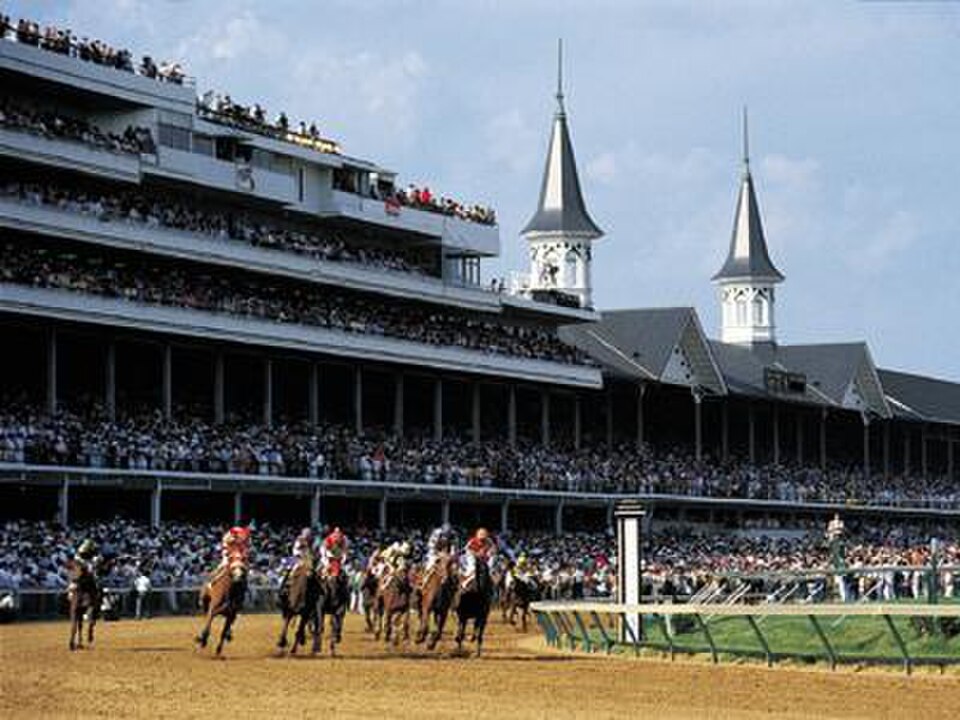
Golden Tempo won the Kentucky Derby on Saturday as a 23-1 longshot, rallying from last place to first in one of the most dramatic finishes in recent memory. Trainer Cherie DeVaux became the first woman to train a Kentucky Derby winner in the race’s 152-year history. Jockey Jose Ortiz, who had finished second to his own brother Irad in a previous Derby, finally won on his 11th attempt.
On Wednesday, DeVaux announced Golden Tempo would not run in the Preakness Stakes on May 16.
“Golden gave us the race of a lifetime in the Kentucky Derby, and we believe the best decision for him moving forward is to give him a little more time,” DeVaux wrote in a statement. “His health, happiness and long-term future will always remain our top priority. We are looking forward to pointing him toward the Belmont Stakes.”
The decision is entirely rational. It is also part of a pattern that is quietly dismantling one of American sports’ most celebrated traditions.
This is the third time in five years that the connections of the Kentucky Derby winner have decided not to compete in the Preakness Stakes despite having a healthy horse. Rich Strike skipped in 2022. Last year’s champion Sovereignty skipped — and then won the Belmont Stakes and was named Horse of the Year. The lesson Sovereignty’s team proved was not just that skipping the Preakness is acceptable. It was that skipping the Preakness might be the smarter strategy.
The core problem is the calendar. The Kentucky Derby and the Preakness Stakes are run just two weeks apart — a gap designed in the 19th century when horses were conditioned differently, training was less sophisticated, and the concept of long-term career management for individual animals was less developed. Modern thoroughbred racing has evolved. The Triple Crown schedule has not.
Trainers who bypass the Preakness consistently cite the same concern: two weeks is not enough recovery time after the Derby’s grueling 1¼-mile distance. Running a horse through three major races in five weeks risks injury, shortens careers, and in the worst cases has contributed to catastrophic breakdowns. The trainers who skip are not being cowardly. They are being responsible.
But the structure the Triple Crown is built on — the romantic idea that one horse, one spring, can prove itself superior across all three legs — requires the Derby winner to show up in Maryland. The last horse to win all three was Justify in 2018. Before Justify, American Pharoah in 2015 was the first Triple Crown winner in 37 years. A generation of racing fans grew up believing the feat was nearly impossible. It may now be structurally impossible — not because no horse is capable, but because no trainer with a capable horse will put it through the attempt.
The Preakness will run on May 16 at Laurel Park in Maryland, filling its field with horses that finished behind Golden Tempo on Saturday. It will be a competitive race without the horse who earned the right to be there. This has happened before and will happen again until the Triple Crown schedule is reformed — or until the tradition fades by attrition rather than design.