Politics
Congress Failed to Extend the Government’s Most Powerful Surveillance Tool Before It Lapsed
By Mike Harper · June 12, 2026
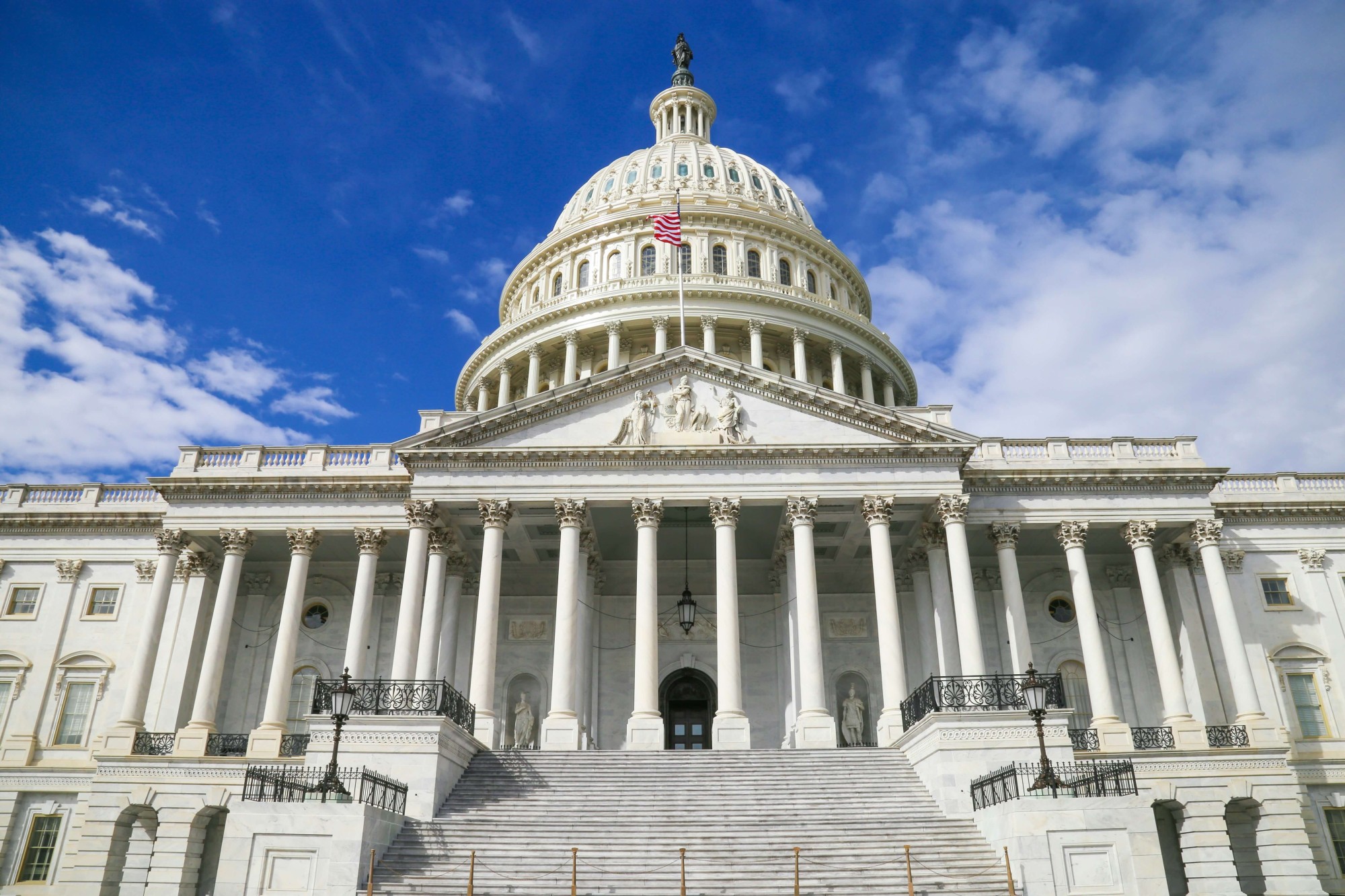
The most significant foreign surveillance authority in the US intelligence toolkit expired at midnight Friday after Congress failed to pass an extension.
The House rejected a short-term FISA Section 702 extension Thursday in a vote that fractured along unusual lines — with progressive Democrats and libertarian Republicans joining to block the measure while national security hawks in both parties supported it. The Senate never voted. The authority lapsed at 12:01 AM Friday.
Section 702 allows US intelligence agencies to collect communications of foreign nationals located outside the United States without individual warrants — including when those communications pass through American internet infrastructure. The NSA, CIA, and FBI have described it as their most important tool for counterterrorism, counterintelligence, and cyber threat detection. Civil liberties organizations have argued for years that the program sweeps up enormous quantities of Americans’ communications as a byproduct and that the FBI has abused its access to that data.
The collapse of the extension was driven by two forces that had nothing to do with each other.
Democrats withdrew their support after Trump appointed Bill Pulte — a housing official with no intelligence experience — as acting Director of National Intelligence. All but one Senate Democrat — John Fetterman — blocked the advance vote. Their argument: granting expanded surveillance powers to an intelligence community now led by a political operative installed to target the president’s domestic enemies is not something they are willing to do.
Republican libertarians, led by Thomas Massie and Rand Paul, opposed the extension on Fourth Amendment grounds — the same objection they have raised in every prior reauthorization debate. The bipartisan coalition that has passed 702 renewals in every prior cycle could not hold.
Trump complicated the situation further Thursday night by announcing he would nominate Jay Clayton — the former SEC chairman currently serving as US Attorney for the Southern District of New York — as permanent DNI to replace Pulte. Whether that nomination calms Democratic concerns enough to restart negotiations is unclear.
The practical effect of the lapse is debated. Intelligence officials say existing surveillance orders remain in effect until their individual expiration dates — meaning no ongoing operations are immediately disrupted. But no new orders can be issued under 702 authority until Congress acts. The gap matters most for emerging threats and new targets that require fresh authorization.
The authority has never lapsed before.