Politics
Biden Filed Suit to Stop the Release of Tapes That Could Define His Memory and Presidency
By Mike Harper · May 27, 2026
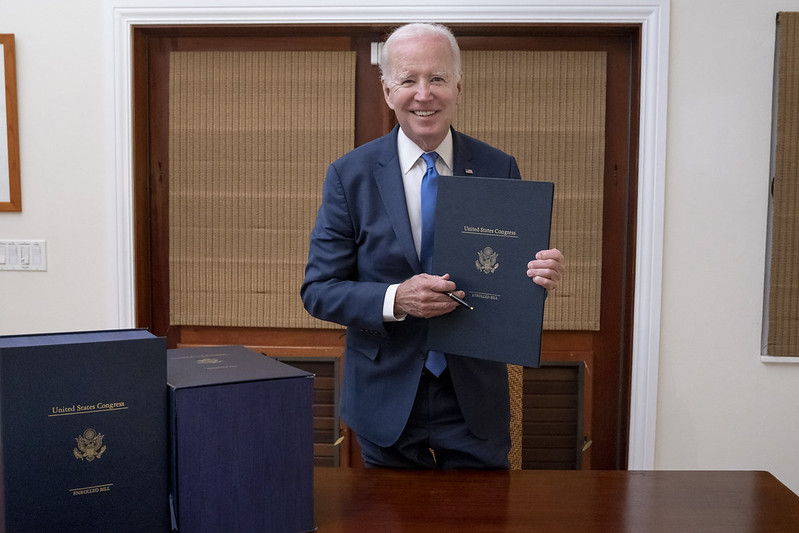
For two years, the Department of Justice argued that audio recordings of President Biden’s interviews with his ghostwriter were exempt from public disclosure. Those recordings were obtained during Special Counsel Robert Hur’s investigation into Biden’s handling of classified documents — the same investigation that produced the phrase “elderly man with a poor memory.”
On Tuesday, Biden filed suit to stop their release. The DOJ now plans to hand them over June 15.
Biden’s lawsuit, filed in federal court in Washington, seeks to block the Justice Department from releasing approximately 70 hours of audio files and transcripts to the House Judiciary Committee and the Heritage Foundation, which sued for the material under the Freedom of Information Act. The recordings are from interviews Biden conducted with ghostwriter Mark Zwonitzer in 2016 and 2017 for his memoir “Promise Me, Dad.” They were obtained by Hur’s team because Hur concluded — based on the recordings — that Biden had read classified notebook passages aloud to Zwonitzer and that Biden’s memory lapses during the investigation would make it harder to prove he acted willfully.
Biden’s lawyers made the terms under which the recordings were originally provided explicit.
Biden spokesperson TJ Ducklo said the former president “cooperated fully with Special Counsel Hur” and provided the recordings on the condition that they would not be made public.
The position reversal by the DOJ is the part of this story that legal observers are watching most closely. The Biden-era DOJ had consistently refused congressional requests to turn over the audio, including a House vote to hold then-Attorney General Merrick Garland in contempt for refusing to comply. Biden himself asserted executive privilege over the recordings in 2024. Then, in February 2026, the Trump DOJ notified Biden’s team that it intended to release the audio — without providing any formal explanation for the reversal.
Biden’s lawyers characterized that shift directly in their filing.
“In February 2026, without any formal explanation for its about-face, the Department notified President Biden of its intention to release the audio recordings and transcripts to the plaintiffs in the FOIA Action.”
The recordings go to the heart of Hur’s most damaging conclusions about Biden. Hur found that Biden read classified excerpts aloud to a ghostwriter in his own home. He also found that Biden’s memory lapses — documented across multiple interview sessions — would make it difficult to prove the former president acted willfully rather than accidentally. The audio is the primary evidentiary record of both findings. Biden has consistently denied that he shared classified information.
Portions of the audio were obtained and published by Axios in May 2025, generating significant coverage of what they revealed about Biden’s memory and demeanor during the investigation. The 70 hours the DOJ plans to release on June 15 would represent the full record — not selected clips.
A judge will need to rule on Biden’s motion before the June 15 deadline. The DOJ has not responded publicly to the lawsuit.