Lifestyle
At 70, a Substitute Teacher Felt Trapped Keeping Up Her Older House. Then She Moved Into a Tiny Home: “I Really Have More Room Than I Thought I Would Have”
By Erica Coleman · November 5, 2026
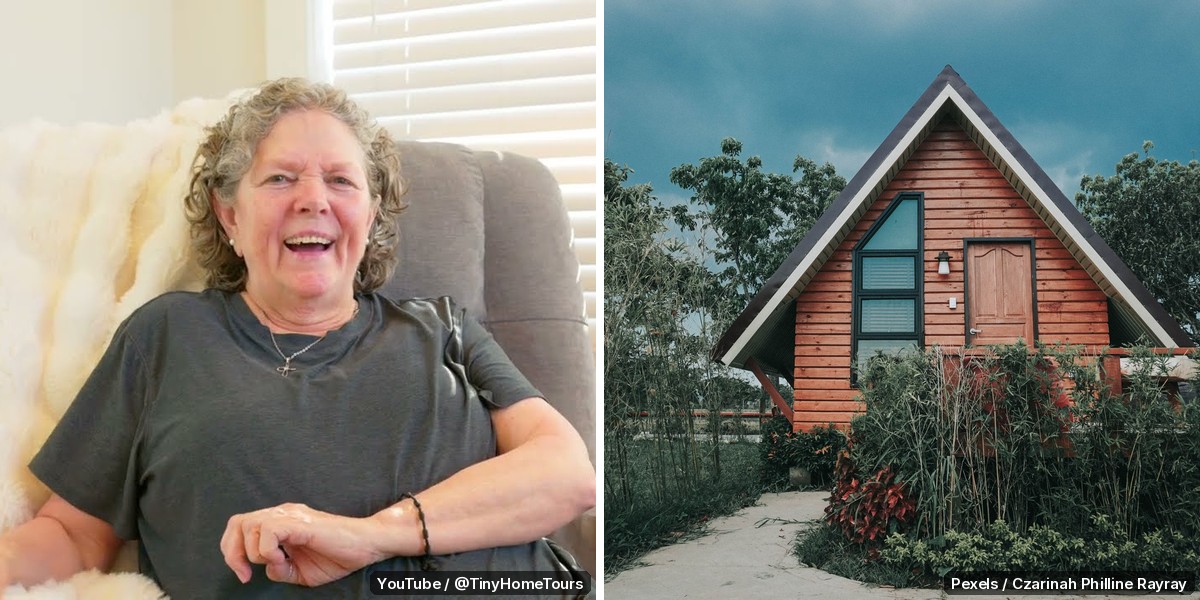
Keeping up an older house can feel heavier with each year. For Hilda, a substitute teacher who is 70, the upkeep and the old wiring reached a point where staying put no longer felt safe or free.
“Got to be almost scary trying to take care of it,” she said in a tour posted Oct. 23 on the Tiny Home Tours YouTube channel (@TinyHomeTours). “I guess that’s where I got this idea of feeling trapped.” She introduces herself plainly on camera. “I’m 70 years old,” she said. “I’m a substitute teacher.”
She explains how the move went in her video on YouTube.
The search took time. “I bet it was 30, 40 houses I went through,” she said. She chose a tiny home instead of another large one, and the space surprised her. “I really have more room than I thought I would have,” she said. “It amazes me.” She told a friend she was done with going back. “I told her I don’t want to go back to a big house,” she said. Near the start of the tour she added, “I love living in my little tiny home.” She also said she and those around her had “lived around here since 1988,” without naming a state in the video.
Her story sits against a larger pattern. Harvard’s Joint Center for Housing Studies reports that nearly 11.2 million older adult households were cost burdened in 2021, meaning they spent more than 30 percent of income on housing, an all-time high. The same report notes that homeownership among older adults can bring maintenance responsibilities and costs, and that many older homeowners live in older houses. AARP’s 2024 Home and Community Preferences survey found that 75% of adults 50 and older want to stay in their current homes as they age, yet nearly half of adults 50-plus expect to relocate at some point, with property maintenance among the cost drivers, according to reporting on the survey.
Hilda’s path is one version of that tension. She wanted less house to fight, not less life. The tiny home gave her a place she says she loves, with more usable room than she expected after years in a larger one.
JCHS also finds that older adults move less often than younger ones. Between 2016 and 2021, just 5 percent of households age 65 and older reported relocating in the previous year, compared with 16 percent of those under 65. When older adults do move, housing reasons are common, including a desire for cheaper, newer or better housing. Hilda’s tour of dozens of places before she settled fits that pattern of careful, housing-driven change rather than a sudden leap.
A few practical points if you are weighing a smaller place:
Tour more than once. Hilda said she went through dozens of houses before she chose.
Focus on daily tasks, not square footage. Stairs, wiring, yard work and storage often matter more than the listing size.
Check the real costs. Taxes, insurance, utilities and HOA fees can erase a smaller mortgage’s savings.
Keep the community in view. AARP finds most adults 50-plus also want to stay in their communities, so a move that keeps friends and routines nearby may fit better than a leap far away.
This article is for general information and is not financial or legal advice. This article was produced with the assistance of AI and fact-checked against the sources cited by LightWave Reports.