Lifestyle
At 65, a Shopper Got a Call Claiming Warrants and a $17,775 Bond. Then She Hung Up: “That’s a Scam”
By Curtis Jones · November 6, 2026
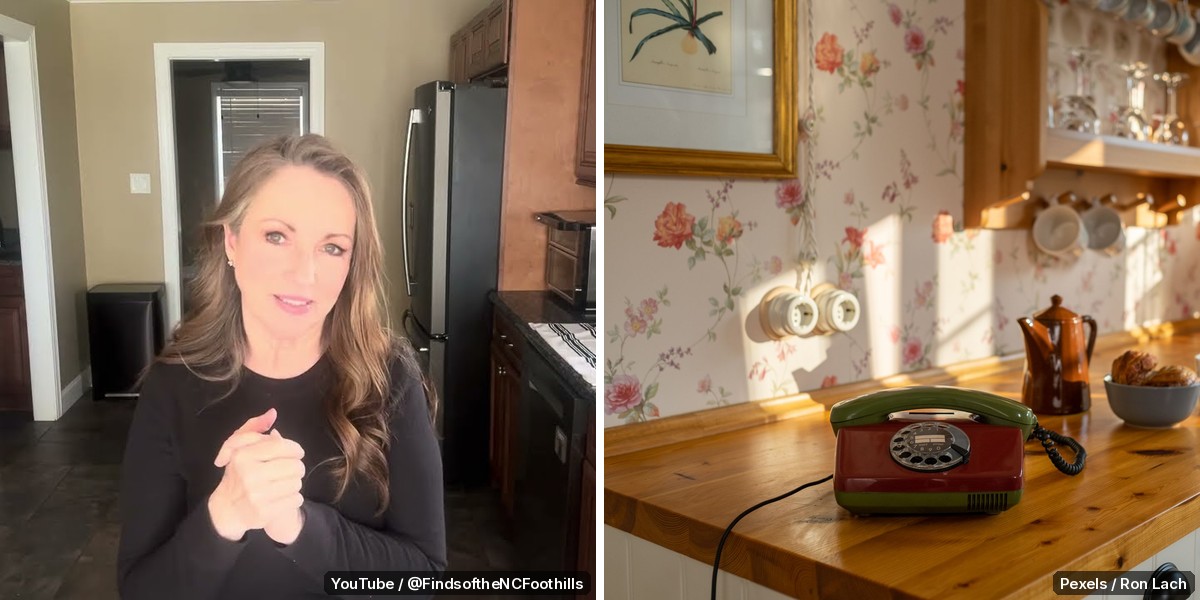
A phone call that claims to be from the sheriff can freeze anyone in place. For Deb, who is 65 and films Finds of the NC Foothills, the pressure felt real enough that she almost paid a fake bond before she caught herself.
“I’m 65 years old,” she said in a video posted March 15, 2026 on her YouTube channel (@FindsoftheNCFoothills). She later said, “I really thought that I was going to jail.” The caller wanted a large transfer. She recalled the demand to “transfer over 17,775.” She also said, “I don’t have 17,775.”
She walks through how the call unfolded in her video on YouTube.
The story she tells is a classic government-impersonation pitch. A voice claiming to be a sheriff’s captain talked about warrants and a path to post bond by moving money at a kiosk. She was shopping at a dollar store when the pressure peaked. She asked the question that broke the spell: “When does the Sheriff’s Department ever get into the business of bonding?” The caller pushed personal details, including a line she repeats as “you are 65 years and 7 months old.” Then she ended it. “I disconnect the call,” she said. “That’s a scam. I’m telling you that’s a scam.” Earlier she had already named it: “It’s a scam.”
A store manager and, later, contact with a real sheriff’s office lined up with what she had already decided on the phone. She did not send the money.
Her near-miss sits inside a wider fraud pattern. The Social Security Administration warns that scammers pretend to be from an agency you know, invent a problem, pressure you to act immediately, and tell you to pay in a specific way. SSA says criminals spoof official numbers, including numbers that look like local police, threaten arrest, and claim they can transfer you to a law enforcement agent. The FBI’s Internet Crime Complaint Center at ic3.gov is the federal hub for reporting cyber-enabled fraud. FBI field warnings on government impersonation stress the same rule Deb followed: hang up, do not send money, and verify through a number you look up yourself.
A few practical points if a call like this reaches you:
Hang up. Deb said she disconnected once the bonding story made no sense.
Do not stay on the line while someone transfers you to another official. SSA says legitimate agencies do not work that way.
Never pay a bond, fine, or fee with a wire, gift card, cash drop, or kiosk transfer because a caller demands it.
Call the real sheriff’s office or police non-emergency number from a public listing, not from the number on your caller ID.
Report the attempt to local police and to the FBI’s IC3 site.
Deb’s video is one person’s account from the North Carolina foothills. The dollar amount and the sheriff-bond script are the parts worth remembering. She almost believed she was going to jail. She hung up instead.
This article is for general information and is not financial or legal advice. This article was produced with the assistance of AI and fact-checked against the sources cited by LightWave Reports.