Lifestyle
7 Things Hotels Won’t Tell You at Check‑In
By Curtis Jones · July 10, 2026
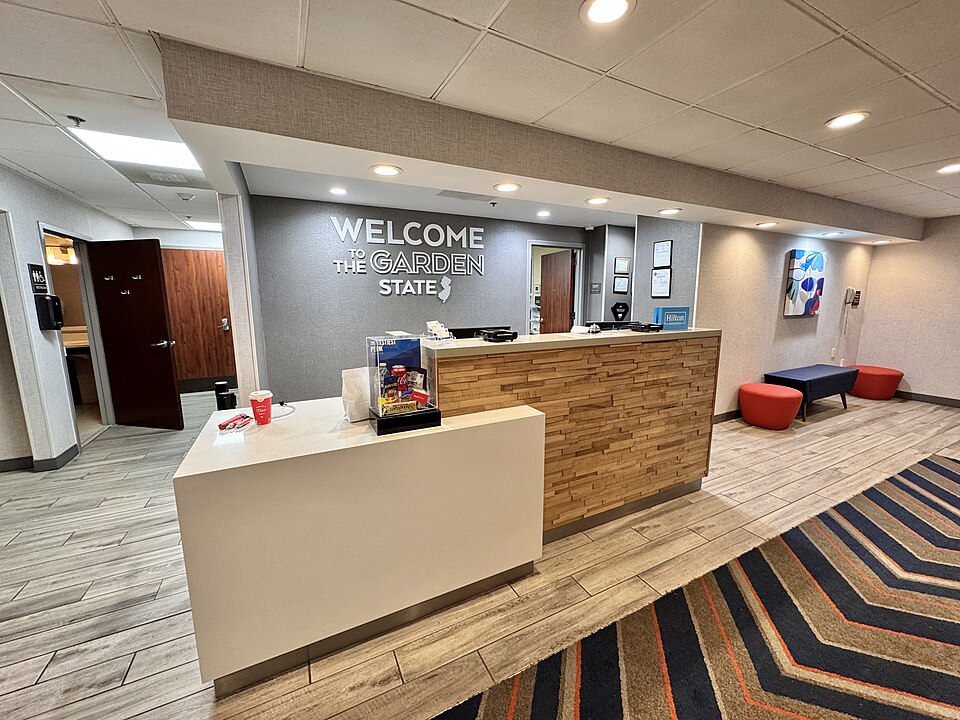
The $200 room and the $250 room can be the exact same room.
That gap used to be resort fees, destination fees, or “hospitality service charges” that hotels tacked on after you’d already committed to booking. As of 2025, a federal rule changed that — but plenty of travelers still don’t know what to ask for, or what they’re entitled to. Here’s what hotel staff and consumer advocates say actually matters at check-in.
Ask if the total price includes mandatory fees. The FTC’s Rule on Unfair or Deceptive Fees now requires hotels to display the full price — including resort fees, destination fees, and similar mandatory charges — before you book, not at checkout. Consumer researchers found that mandatory hotel fees have historically added an average of $27 a night, and in cities like Las Vegas, some properties still charge $45 to $55 a night on top of the room rate. If a price you’re shown doesn’t match what you agreed to at booking, that’s grounds for a dispute with your credit card company.
Book directly with the hotel, not a third party. Third-party booking sites charge hotels commissions of up to 25% of the room rate, and hotels remember who costs them that margin. Guests who book directly tend to get better treatment across the board — from room assignments to who gets moved first if the hotel oversells.
Ask politely about upgrades — don’t assume you’re owed one. A simple, friendly “are there any complimentary upgrades available tonight?” works more often than travelers expect, according to hotel staff. If better rooms are sitting empty, most front desks would rather fill them than leave them vacant. Demanding one, or invoking loyalty status aggressively, tends to backfire.
“A good half of our guests over the age of 40 walk in and just shout their last name.”
Suzanne Bagnera, a clinical assistant professor at Boston University’s School of Hospitality Administration, said basic courtesy at check-in sets the tone for the entire stay.
Timing your arrival can matter. Arriving a couple of hours after the standard check-in time — often 3 p.m. — gives the hotel a clearer picture of which rooms are still open. If a nicer room is sitting empty, some staff will move you into it rather than let it go unused for the night. This tends to work best midweek and during slower travel periods.
Sign up for the loyalty program, even the free tier. You don’t need elite status to benefit. Free membership still puts you on staff’s radar as a guest who chose the brand intentionally, and loyalty members are generally given priority when rooms get assigned.
The front desk usually has more than you think. Phone chargers, adapters, safety pins, umbrellas, and toiletries are commonly available on request — free of charge — at most hotels. It’s worth asking before buying a $12 charger from the gift shop.
Know where to complain if something’s wrong. If you’re charged a fee you weren’t shown at booking, contact your credit card issuer about a billing dispute, and consider reporting it to your state attorney general’s consumer protection office. Several states now have their own all-in pricing laws that go further than the federal rule.
None of these tips require elite status, a big tip, or a confrontation at the desk. Most of what actually improves a hotel stay — a fair price, a decent room, a little extra attention — comes down to knowing what you’re entitled to and asking for it plainly.