Lifestyle
6 Signs of a Balance Problem Most People Ignore Until They Fall
By Curtis Jones · October 15, 2026
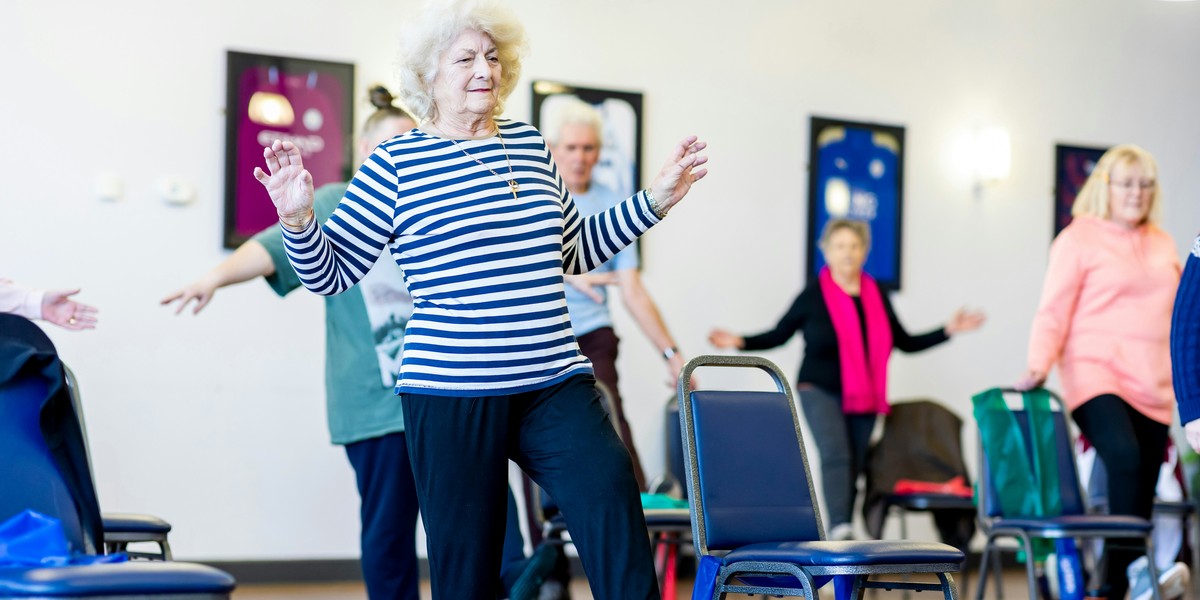
Feeling a little wobbly on the porch steps is easy to shrug off. Plenty of people blame it on stiff knees or a bad night’s sleep. Those same sensations can also mean the systems that keep you upright are not working together.
Balance is not one organ. Cleveland Clinic explains that your brain has to process signals from your eyes, inner ears, muscles and body to tell you where you are in space. When that process breaks down, you may feel dizzy, off-balance or unsafe on your feet. The National Institute on Aging notes that more than one in four people age 65 or older fall each year, and that the risk rises with age.
Here are six signs that often get ignored until something worse happens.
Dizziness when you stand up. A woozy or disoriented feeling is one of the core symptoms Cleveland Clinic lists for balance problems. The NIA also flags blood pressure that drops too much when you get up from lying down or sitting, called postural hypotension, as a fall risk. If the room swims every time you rise from a chair, that is worth telling a doctor.
A spinning feeling while you are still. Vertigo is different from ordinary lightheadedness. Cleveland Clinic describes it as a spinning feeling, even when you are still. Inner-ear problems are a common cause. People sometimes wait weeks hoping it will pass on its own.
Feeling wobbly when you walk. Unsteadiness, or feeling like you might tip, is another hallmark Cleveland Clinic lists. The NIA points to age-related muscle loss, problems with balance and gait, and nerve or blood-vessel conditions that can throw off how you move. Grabbing furniture as you cross a room is a clue, not a habit to keep.
Blurred vision when you move. Cleveland Clinic includes trouble seeing clearly, especially when moving, among balance-problem symptoms. Your eyes help the brain lock onto where you are. If the picture smears when you turn your head, balance can suffer.
Needing to watch your feet. Some people start staring at the floor with every step. That can be a quiet response to feeling unsafe. The NIA says fear of falling can lead older adults to avoid walking, shopping or social activities, which then weakens the body further. Staying active, done safely, is part of prevention.
New dizziness after a medication change. The NIA warns that some medications cause side effects such as dizziness or confusion, and that the more medicines you take, the more likely you are to fall. A new blood-pressure pill, sleep aid or pain drug can tip the scale.
Cleveland Clinic advises talking to a healthcare provider if you often feel unsteady or off balance, especially if symptoms are getting worse. The NIA adds steps such as standing up slowly, checking vision, reviewing medicines and making the home safer.
This article is for general information and is not medical advice. If dizziness, vertigo or unsteadiness is new or getting worse, talk with your doctor.