Lifestyle
What Prediabetes Is Doing to Your Heart, Kidneys, and Eyes While You Feel Fine
By Erica Coleman · August 29, 2026
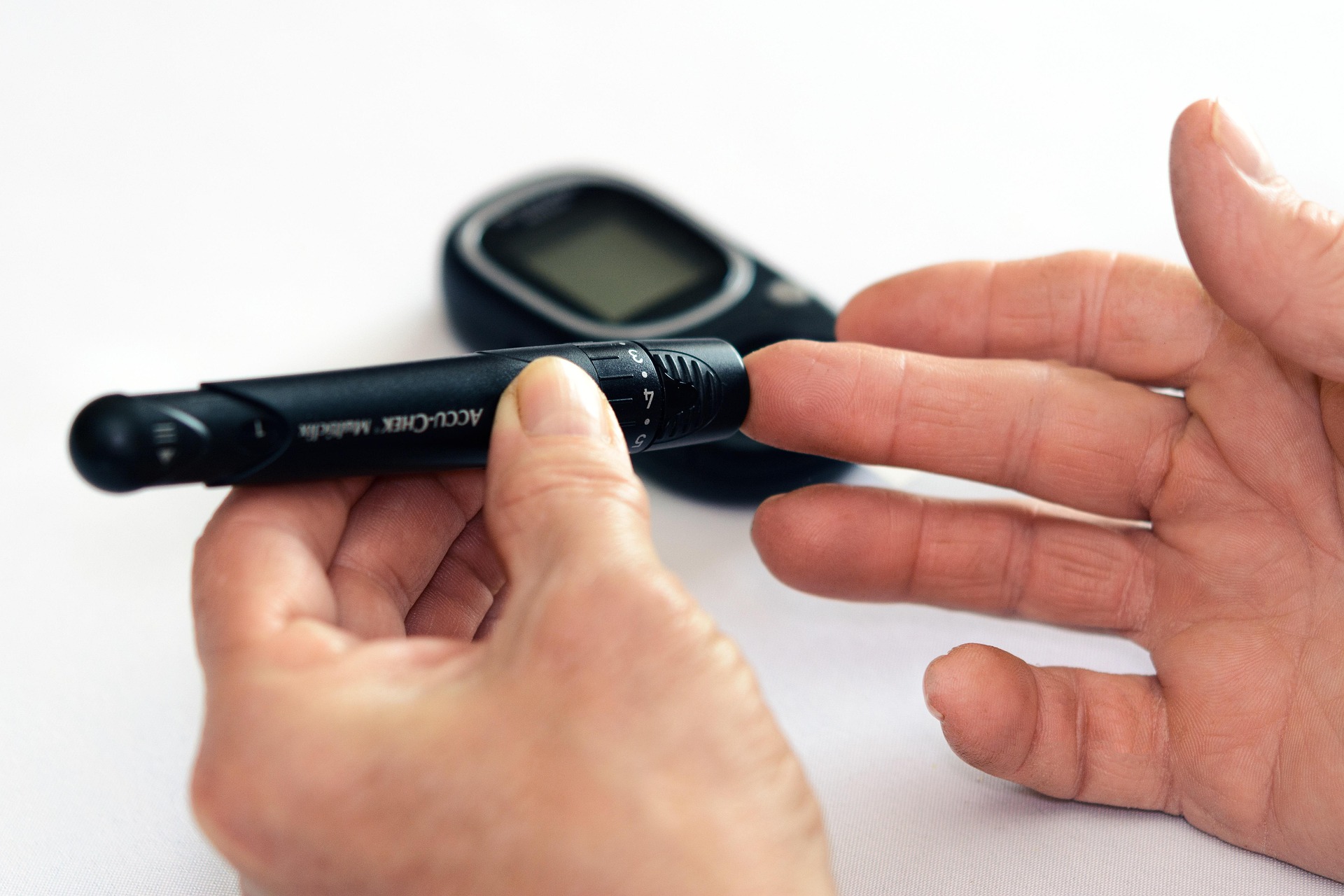
You feel fine. Your doctor hasn’t mentioned diabetes. Meanwhile, your kidneys, your blood vessels, and your eyes are already absorbing damage from blood sugar levels nobody thought to check.
The CDC estimates that roughly 115 million American adults have prediabetes — blood sugar levels elevated above normal but below the diagnostic threshold for type 2 diabetes. The vast majority don’t know it. And the word “pre” is dangerously misleading, because the damage isn’t waiting for a diagnosis to begin.
Your blood vessels are stiffening years before diagnosis. Elevated blood sugar causes chronic inflammation in the walls of your arteries, making them stiffer and narrower long before you meet the clinical definition of diabetes. This vascular damage increases blood pressure, raises the risk of heart attack and stroke, and begins during prediabetes — not after. By the time a type 2 diabetes diagnosis arrives, many patients already have measurable cardiovascular disease.
Your kidneys are leaking protein nobody is looking for. Research shows that kidney injury begins during prediabetes, with subtle changes in filtration and early protein leakage in the urine. These changes are too mild to cause symptoms and often too subtle to flag on routine blood tests. By the time diabetes is officially diagnosed, up to 40% of patients already have some degree of diabetic kidney disease. Your kidneys have so much reserve capacity that you typically don’t feel symptoms until you’ve lost 75% of function — meaning the damage is extensive before it becomes obvious.
Your nerves are already being damaged. The tingling, numbness, and burning that characterize diabetic neuropathy don’t wait for a formal diagnosis either. Studies have found nerve damage in patients with prediabetes who have never been told they have a blood sugar problem. The peripheral nerves in the feet and hands are the most vulnerable — and the damage, once it occurs, is often irreversible.
Your eyes are changing in ways only a dilated exam would reveal. The small blood vessels in the retina are among the most sensitive to elevated glucose. Diabetic retinopathy — damage to the blood vessels in the eye — has been documented in patients with prediabetes. An annual dilated eye exam can detect these changes before vision loss occurs, but most people with prediabetes aren’t getting one because nobody told them their blood sugar was high enough to worry about.
Your body is storing fat in places it shouldn’t. Insulin resistance — the metabolic dysfunction at the core of prediabetes — causes your body to store fat around internal organs, particularly the liver. This visceral fat is metabolically active and releases inflammatory chemicals that worsen the insulin resistance, creating a feedback loop that accelerates the progression to diabetes. The belly fat that seems impossible to lose isn’t just cosmetic — it’s both a symptom and a driver of the underlying condition.
The A1C blood test that identifies prediabetes costs roughly $30 and takes one draw. A result between 5.7% and 6.4% is prediabetes. Below 5.7% is normal. At or above 6.5% is diabetes. The CDC says that with modest weight loss — 5% to 7% of body weight — and 150 minutes of weekly exercise, the risk of progressing to diabetes drops by 58%. But that intervention only works if you know you need it. The test your doctor may not have ordered is the one your organs are waiting for.