Lifestyle
Janice, 55, and Her Husband Sold Their Victorian Home Near London for a Park Home Before Retiring. Her Take: “It’s the Right Thing for Us”
By Erica Coleman · November 18, 2026
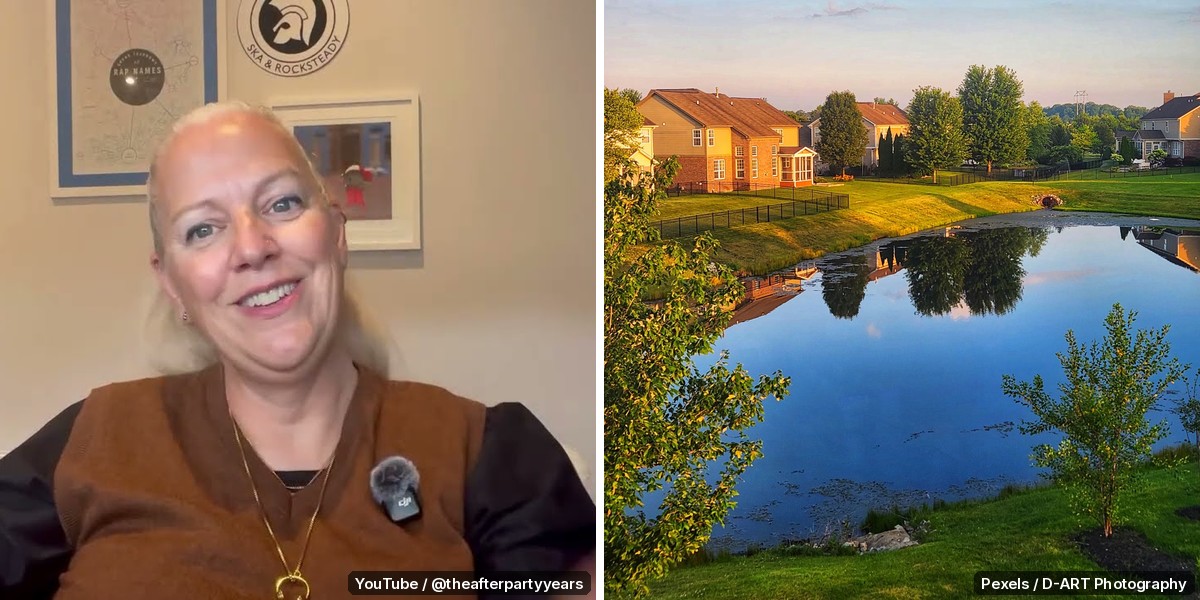
Janice and her husband, Michael, did the thing most couples put off until after they stop working. They sold the house they had spent years improving and downsized first.
“I’m Janice and I’m 55 years old and Michael is my husband and he’s three years older than me,” she says in a video on their YouTube channel, @theafterpartyyears, where the British couple document their countdown to early retirement, which they are aiming for in March 2028.
Their old place was a two-bedroom Victorian terrace, a row house, with what she calls a “whopping great big modern extension” on the back. The fastest train into London took her 20 minutes. Their new home is a park home, which Age UK describes as a single-story house installed on a park home site.
She admits the move surprised even them. If somebody had told them 10 years ago “that we’d sell our house and we’d move into a park home,” she says, “we’d have probably laughed.”
Both of them grew up believing that “owning property meant security,” she says.
The turning point was a simple question. “If we were to do this all over again,” she says, “would we, for example, buy the same house again? And the answer was no, we wouldn’t.”
“What we wanted from life had changed and the reality is that it had more than we needed,” she says. The front rooms of the original house were hardly used once the extension went in. “That original dining room and sitting room really became quite an expensive corridor.”
The money side mattered, but not because of debt. “We were already mortgage free before we moved in so that the decision to downsize wasn’t about paying off debt,” she says. “What it did do is it released equity that had been tied up in that property.” Some of the cash paid for a large deck. “Some of it went into strengthening the retirement plan. So it went into boosting pension pots.”
There is a catch, and she is honest about it. To get a row of storage cupboards, they gave up the bathtub. “It was the right decision, but I really miss a long soak in a nice hot bubble bath,” she says. Luckily, her brother and sister-in-law moved to a park home two doors away, so she borrows theirs.
Two years after the move, she sums it up this way. “It’s not about creating a smaller life. It’s about creating something that suits us better.” They swapped a huge garden and unused rooms, she says, “for a lifestyle that suits us. It’s the right thing for us.”
Park homes come with costs a regular house does not. Age UK, the British charity for older people, says that while you own the home itself, you pay a pitch fee to the site owner, you are liable for council tax, and there may be resale fees when you sell. It also warns that some park homes can be expensive to heat. The UK government says residents should get a written agreement with the park owner setting out rules, charges and services, and have 28 days to review it before signing.
Anyone weighing a similar move can start with Janice’s question: would you buy your current house again today? Then add up what you would free up in equity and compare it with every ongoing fee the new place carries, including lot or pitch rent, before you sign.
This article is for general information and is not financial advice. Janice’s story and quotes are from her YouTube video. This article was produced with the assistance of AI and fact-checked against the sources cited by LightWave Reports.