Lifestyle
6 Things Your Title Insurance Company Hopes You Never Question at Closing
By Mike Harper · August 23, 2026
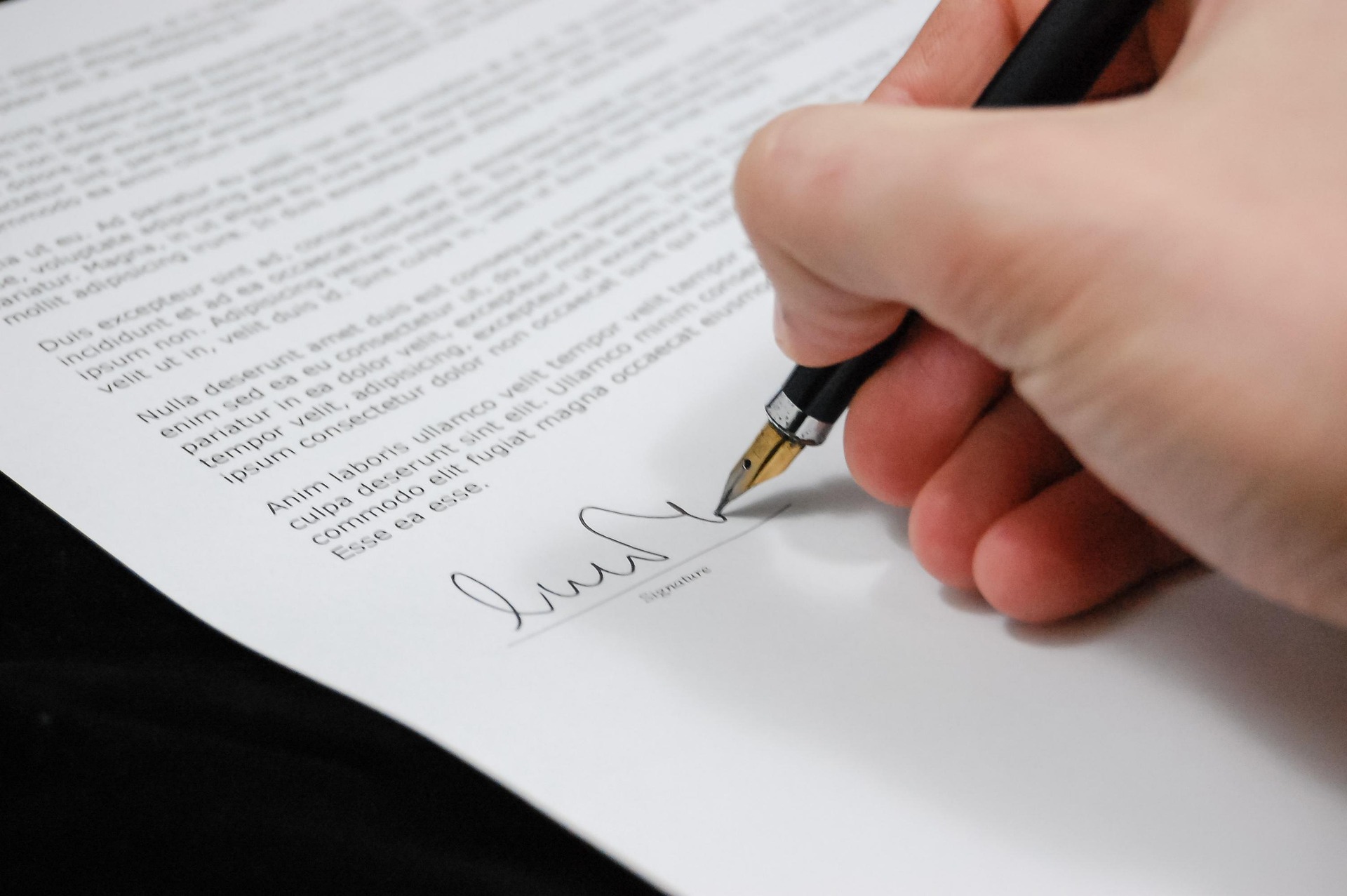
You’re at the closing table. There’s a line item for $1,500 called “title insurance.” The attorney says it’s required. You write the check. You have no idea what you just bought.
Title insurance is one of the least understood and most expensive charges in a real estate transaction — and the industry operates with almost no price competition, generating billions in annual revenue from buyers who pay whatever the closing attorney or lender tells them to pay.
You can shop for title insurance — and almost nobody does. In most states, the buyer has the right to choose their own title insurance company. The rate can vary by hundreds of dollars between providers for identical coverage. But because the lender or closing attorney typically selects the title company, most buyers never compare prices. The person choosing the insurer may have a financial relationship with the company — referral fees, affiliated business arrangements, or ownership stakes — that the buyer knows nothing about.
The industry has one of the lowest loss ratios in all of insurance. Title insurers pay out claims on roughly 3% to 5% of the premiums they collect — compared with 60% to 80% for property and casualty insurers. That means 95 to 97 cents of every dollar you pay goes to the company’s overhead, profit, and commissions — not to paying claims. The product is enormously profitable precisely because the thing it insures against — a defect in your property’s title — almost never happens.
You’re paying a one-time premium that mostly covers the title search, not the insurance. The bulk of the title insurance premium covers the cost of the title search and examination — the work of verifying that the property’s ownership history is clean. The actual insurance policy — which protects you if the search missed something — is a fraction of the cost. You’re paying insurance-level prices for what is primarily a research service.
Lender’s title insurance protects the bank, not you. A lender’s title policy is required for any mortgage transaction, and the buyer usually pays for it. But the policy protects the lender’s financial interest in the property — not yours. If a title defect surfaces and you lose the home, the lender recovers its loan balance. You lose your equity. An owner’s title policy — which protects your interest — is separate, optional, and costs extra. Many buyers don’t understand the difference until it matters.
Affiliated business arrangements create conflicts of interest. Some real estate brokerages, mortgage companies, and law firms own or have financial relationships with title companies. When your agent “recommends” a title company, they may be referring you to a company that sends revenue back to their firm. These arrangements are legal if disclosed — but the disclosure is typically a single paragraph in a stack of closing documents nobody reads.
The “enhanced” policy may not cover what you think. Upgraded or enhanced title policies promise broader coverage — including post-closing fraud, building permit violations, and zoning issues. But the exclusions and conditions in these policies are dense and specific. If you’re paying extra for enhanced coverage, read the policy’s exceptions section. The marketing describes what’s covered. The exceptions section describes what isn’t.