Lifestyle
6 Things Your Plumber Hopes You Never Find Out
By Curtis Jones · July 30, 2026
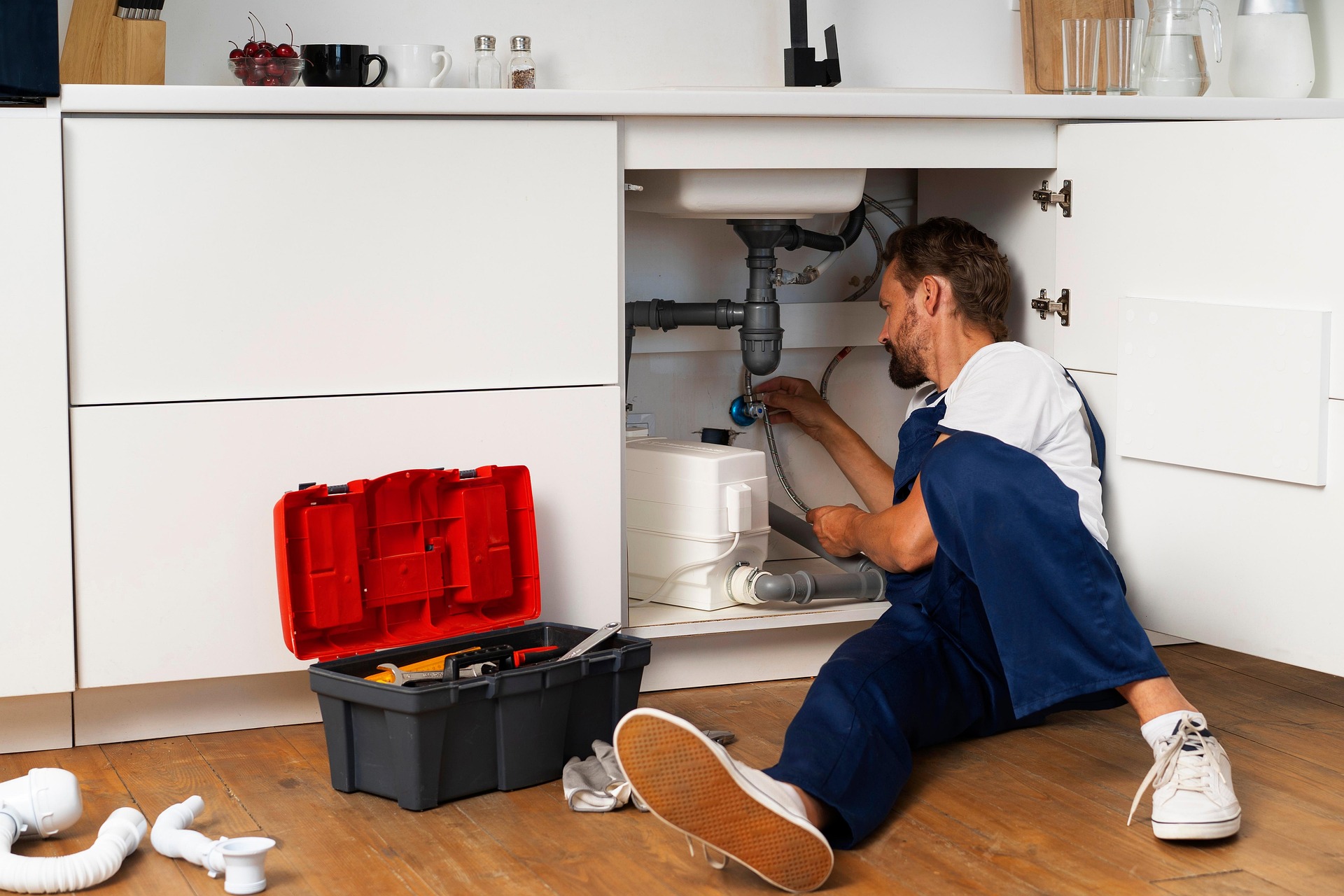
Your toilet is running. You call a plumber. The bill is $400. You have no idea whether that’s reasonable.
Plumbing is one of the few trades where the customer almost never knows what a job should cost, how long it should take, or whether the repair was even necessary. Most plumbers are honest professionals, but the information gap between the person with the wrench and the person with the checkbook is enormous — and it’s designed to stay that way.
Flat-rate pricing hides the labor markup. Most residential plumbers charge a flat rate per job rather than by the hour. That means a toilet repair quoted at $350 might take 20 minutes — but you’re paying the same price whether it takes 20 minutes or two hours. The flat rate is calculated to cover parts, overhead, and labor at the shop’s target margin. It’s legal and it’s standard, but it means the plumber who finishes fastest profits the most, and you’ll never know the difference.
The “emergency” may not be one. A leaking faucet is annoying. A burst pipe is an emergency. But many plumbing companies charge emergency rates — often double the standard — for calls that don’t involve an immediate flood or safety hazard. Before agreeing to emergency service, ask whether the problem can safely wait until regular business hours. A dripping fixture that’s been dripping for a week is not an emergency just because you called on a Saturday.
Your water heater may not need replacing. A plumber who diagnoses a failing water heater has a financial incentive to recommend replacement rather than repair. A new water heater installation can run $1,500 to $3,000 or more, while replacing a thermostat, heating element, or anode rod may solve the problem for $150 to $300. If your plumber says the whole unit needs to go, ask what specifically failed and whether that component can be replaced independently.
Drain cleaning chemicals can damage your pipes. Chemical drain cleaners are sold in every hardware store, and many plumbers quietly advise against using them. The harsh chemicals that dissolve clogs also corrode pipes over time — particularly older cast iron or galvanized steel. A plumber who shows up after years of chemical drain cleaner use may find pipes weakened enough to justify a much larger repair than the original clog warranted.
Not all plumbers are licensed equally. Licensing requirements vary dramatically by state and municipality. Some states require thousands of hours of supervised apprenticeship and a licensing exam. Others have minimal requirements. A “licensed plumber” in one state may have credentials that wouldn’t qualify them as an apprentice in another. Before hiring, check what your state requires and verify the license — most states have a searchable database online.
The parts markup is where the real money is. A toilet flapper valve costs $5 at the hardware store. The plumber charges $25 to $40 for the same part. A standard supply line costs $8 retail — $30 to $50 on a plumber’s invoice. Parts markups of 100% to 400% are common in residential plumbing, and because most customers don’t know what individual components cost, they never question it. Asking for an itemized invoice that separates parts from labor is the simplest way to see where your money went.
None of this means you shouldn’t call a plumber. It means you should call one with the same preparation you’d bring to any major home expense: get two or three estimates, ask for itemized pricing, verify the license, and know enough about the problem to recognize when the solution doesn’t match the diagnosis.